Small Front Yard Maintenance Problems When Equipment Can’t Reach
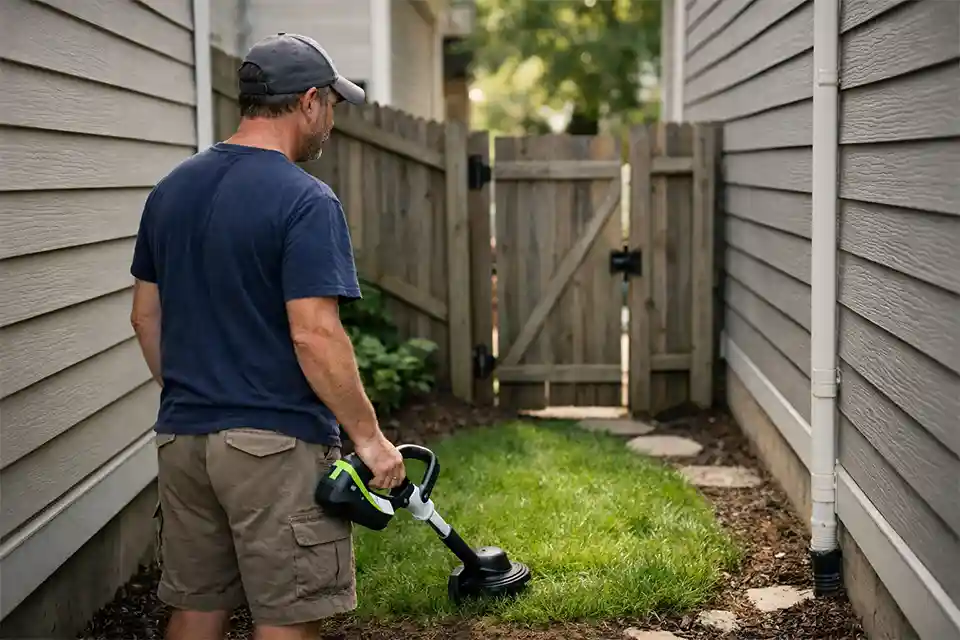
Small front yard with narrow side access where lawn equipment cannot reach the grass area.

Quick Solution Summary A front yard with no equipment access usually means there is less than about 30 inches of side clearance, preventing lawn mowers, aerators, wheelbarrows, or garden carts from reaching the lawn. When this happens, routine yard care becomes inefficient and maintenance often shifts toward manual tools or neglected tasks. Small front yards … Read more
Tree Roots Lifting Sidewalks and Damaging Front Yard Lawns

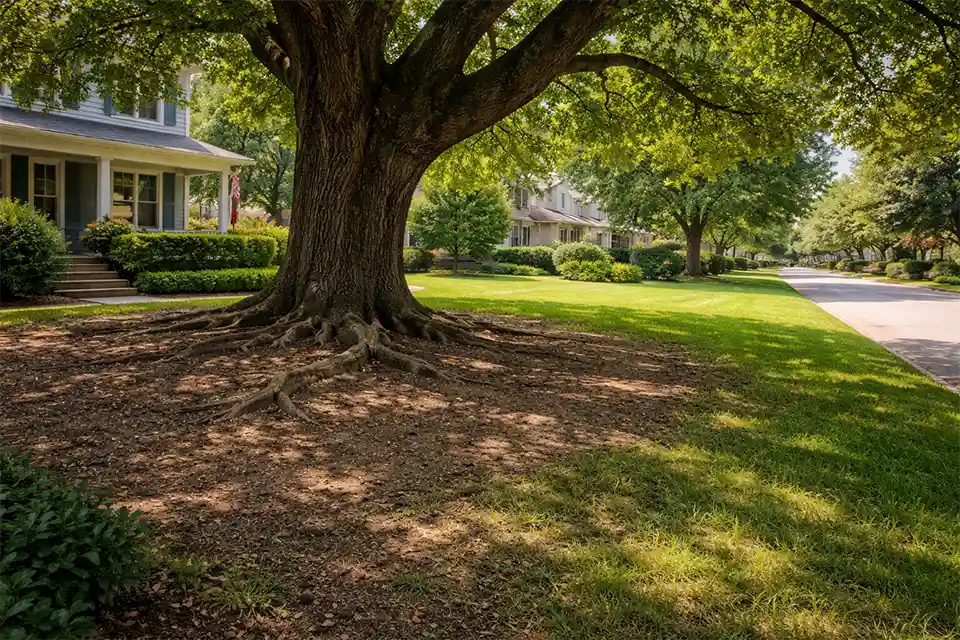
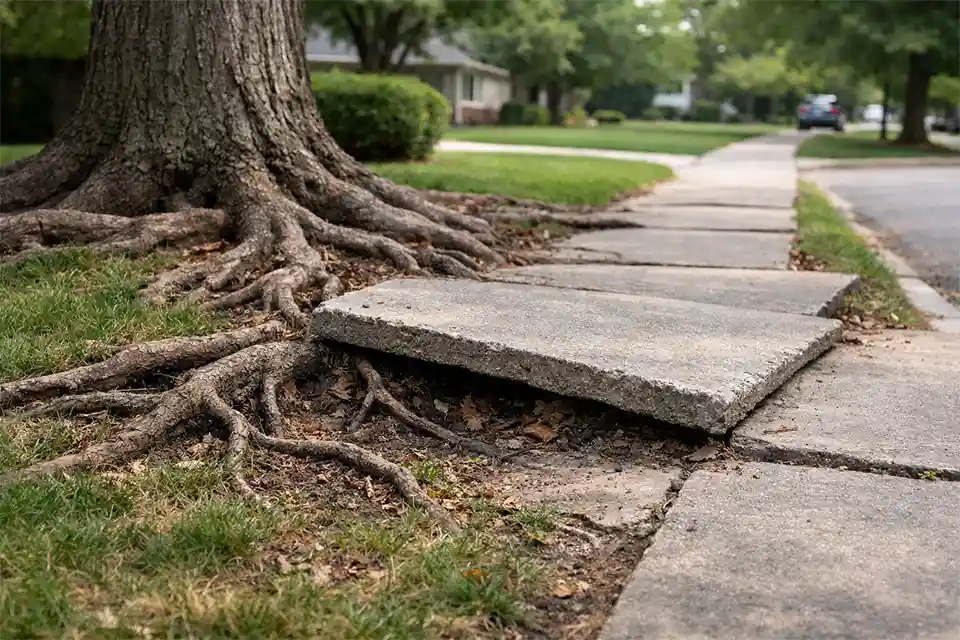
Tree roots lifting a sidewalk and damaging grass in a suburban front yard.

When tree roots push up sidewalks and damage nearby lawns, the underlying issue usually comes from large structural roots expanding within the top 6–12 inches of soil. This shallow growth pattern allows roots to spread wide beneath pavement, gradually lifting sidewalk slabs and disrupting turf roots nearby. The most reliable fix typically involves combining pavement … Read more

Why Front Yards Near Busy Roads Get Dusty (And How to Fix It)

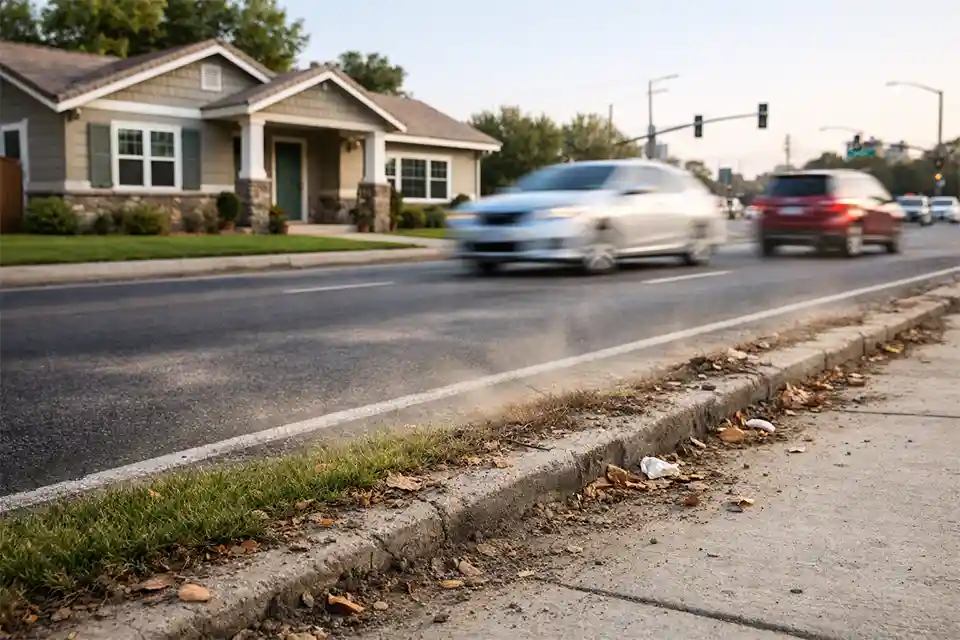
Front yard beside a busy road showing dust buildup and debris accumulation near curb and lawn edge.

Front yards located next to busy roads often develop persistent maintenance problems because vehicle traffic constantly pushes dust and debris toward nearby properties. Cars traveling at typical neighborhood speeds of 30–45 mph create turbulent airflow that lifts fine particles from the road surface. These particles can include tire rubber fragments, brake dust, sand, soil, and … Read more

Backyard Privacy Problems: Fixes That Usually Fail

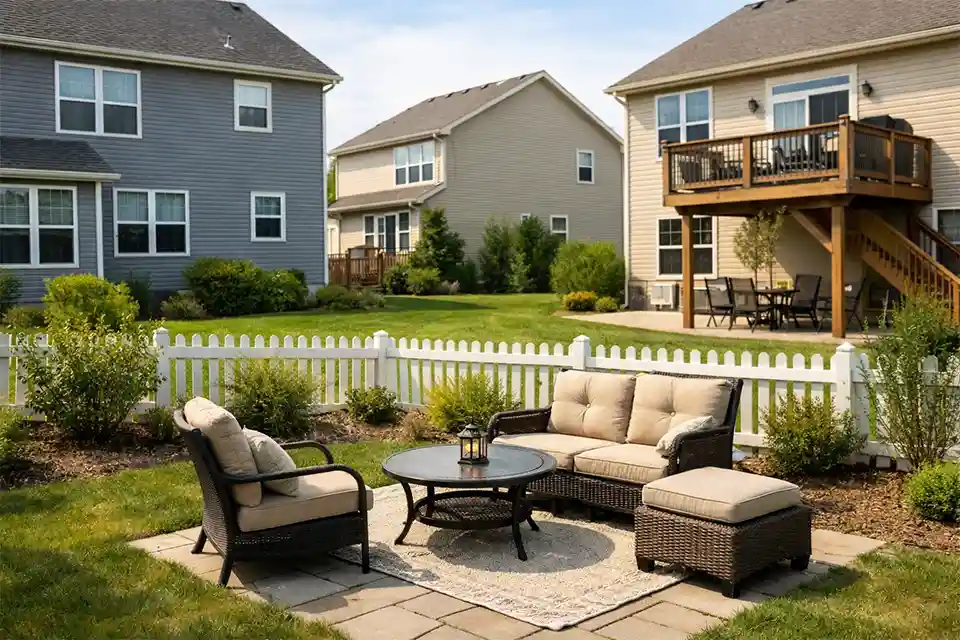
Suburban backyard privacy problem with short fence and neighboring second-story windows overlooking patio.

Backyard privacy problems rarely appear the moment a yard is finished. Most homeowners notice them later—often after installing a patio, fire pit, or outdoor dining area. What looked like a comfortable outdoor space on paper suddenly feels exposed once neighbors begin using their decks, balconies, or upstairs windows. In many suburban developments across the United … Read more

Hidden Problems With Sloped Backyards (Drainage, Erosion & Safety)

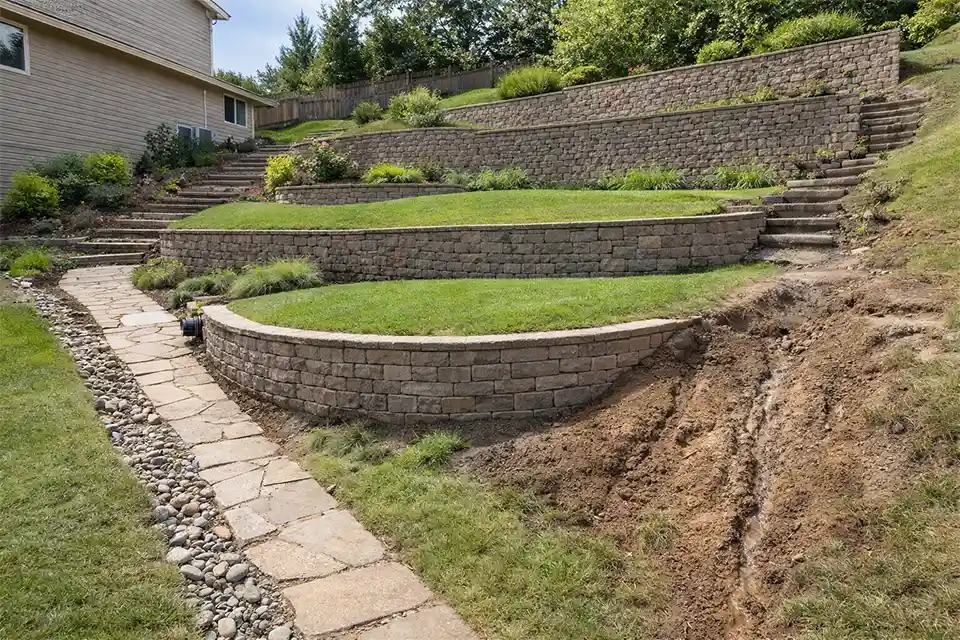
Sloped suburban backyard showing retaining walls, drainage channels, and areas of soil erosion.

Quick Solution Summary Sloped backyards create landscaping and safety challenges because gravity constantly pulls water and soil downhill. Over time, this natural movement can cause erosion, unstable patios, shifting retaining walls, and drainage problems that affect both the yard and nearby structures. In many parts of the United States, climate conditions amplify these risks. Midwest … Read more

Front Yard Drainage Problems for Homes at the Bottom of Hills

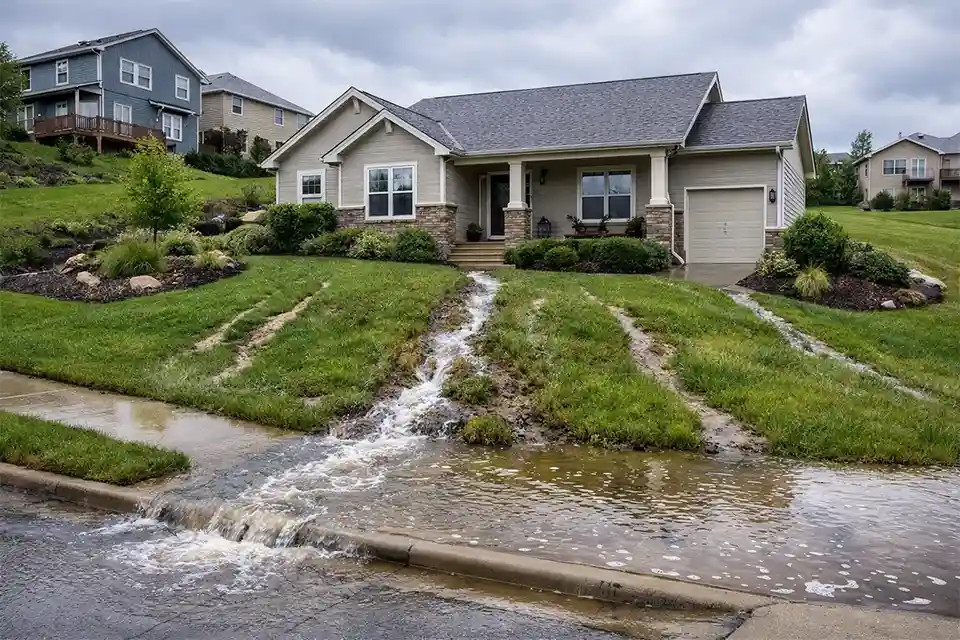
Stormwater runoff collecting in the front yard of a home located at the bottom of a neighborhood hill.

Quick Solution Summary If your home sits at the lowest point on a neighborhood street, your front yard often becomes the place where stormwater naturally collects. During moderate storms—especially when rainfall exceeds 0.75–1.5 inches within a few hours—water flowing downhill from roofs, driveways, sidewalks, and streets can accumulate in the lowest yard along the slope. … Read more

Why Your Driveway Is Flooding Your Front Yard (Drainage Fixes)

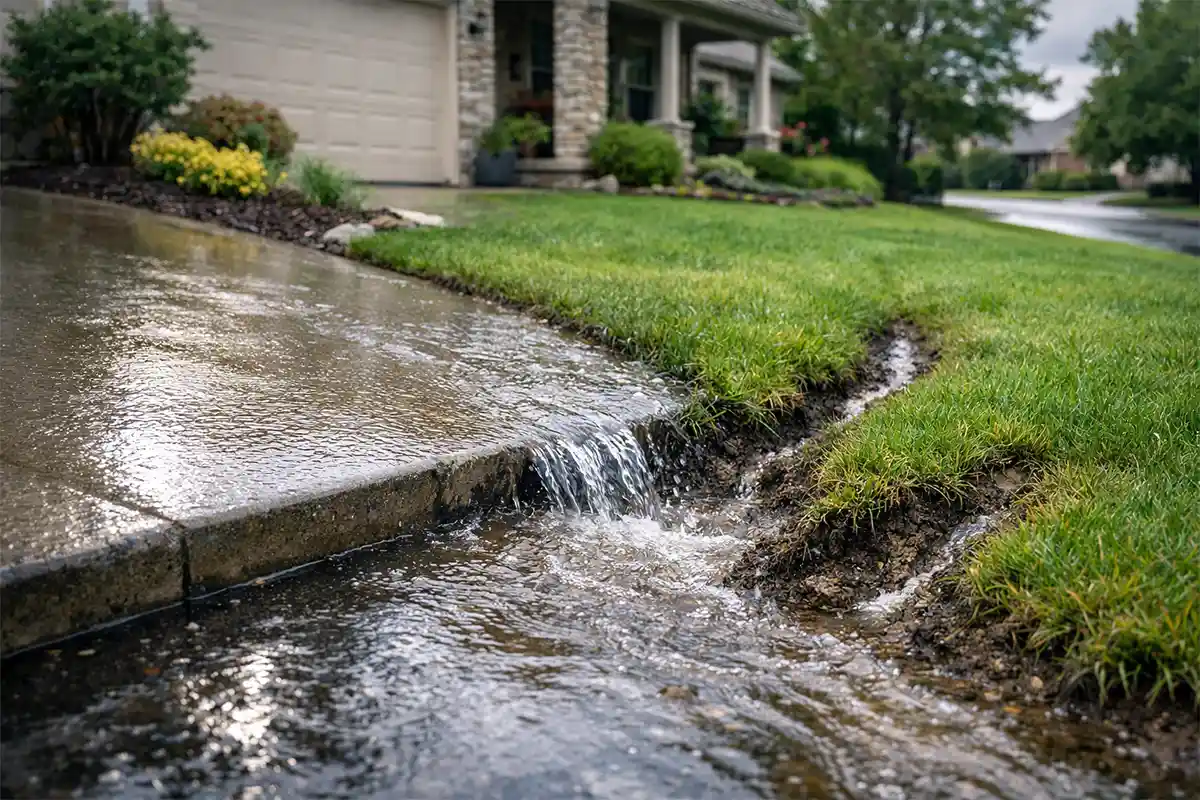
Driveway runoff flowing into a front yard lawn causing drainage and erosion problems.

Quick Solution Summary When a driveway slopes slightly toward the lawn, rainwater naturally follows the hard surface and spills into the yard. During heavy rainfall—especially storms delivering 0.5–1 inch of rain in under an hour—this concentrated runoff can saturate soil quickly and create drainage problems in the front yard. The core issue isn’t just excess … Read more

How to Fix Clay Soil Drainage Problems in Front Yards

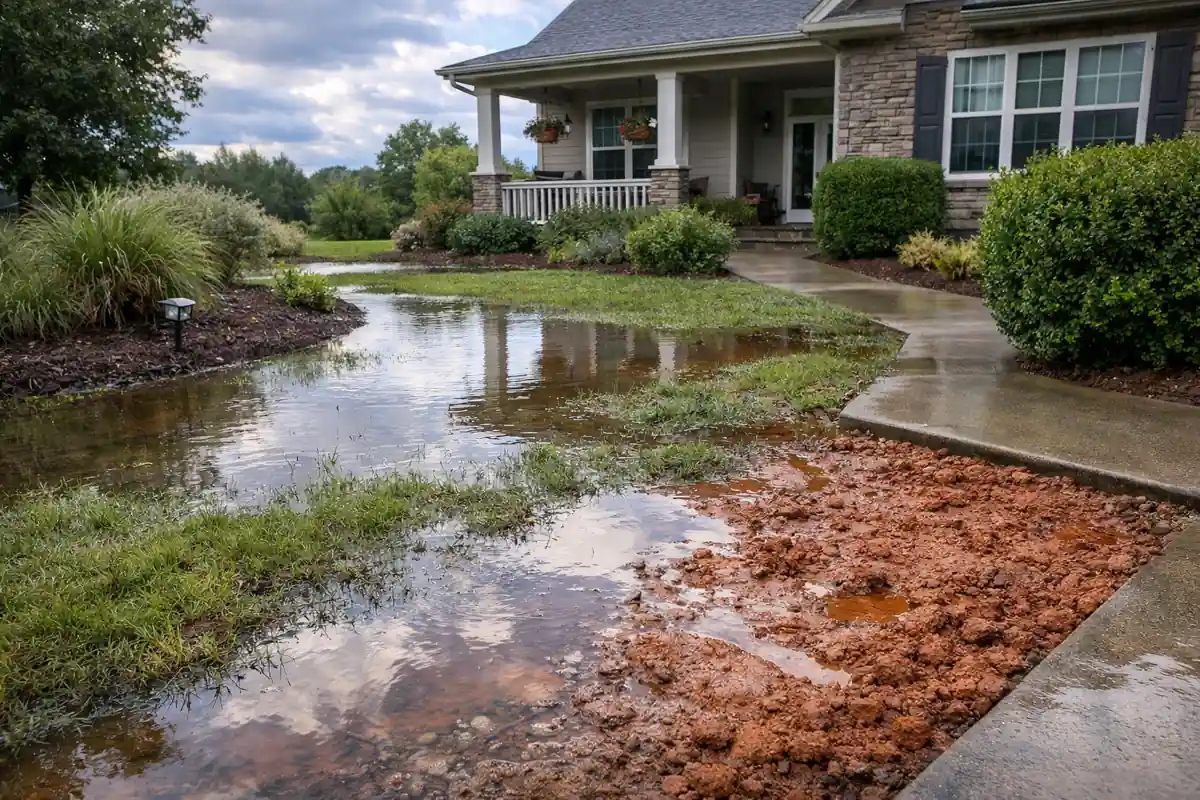
Front yard with clay soil causing standing water after a rainstorm.

Quick Solution Summary Persistent puddles in a front yard are often caused by dense clay soil that cannot absorb rainwater quickly enough. Clay particles are extremely small and compact tightly together, leaving very little space for water to move through the soil. During storms, rainfall may arrive faster than the ground can absorb it, causing … Read more