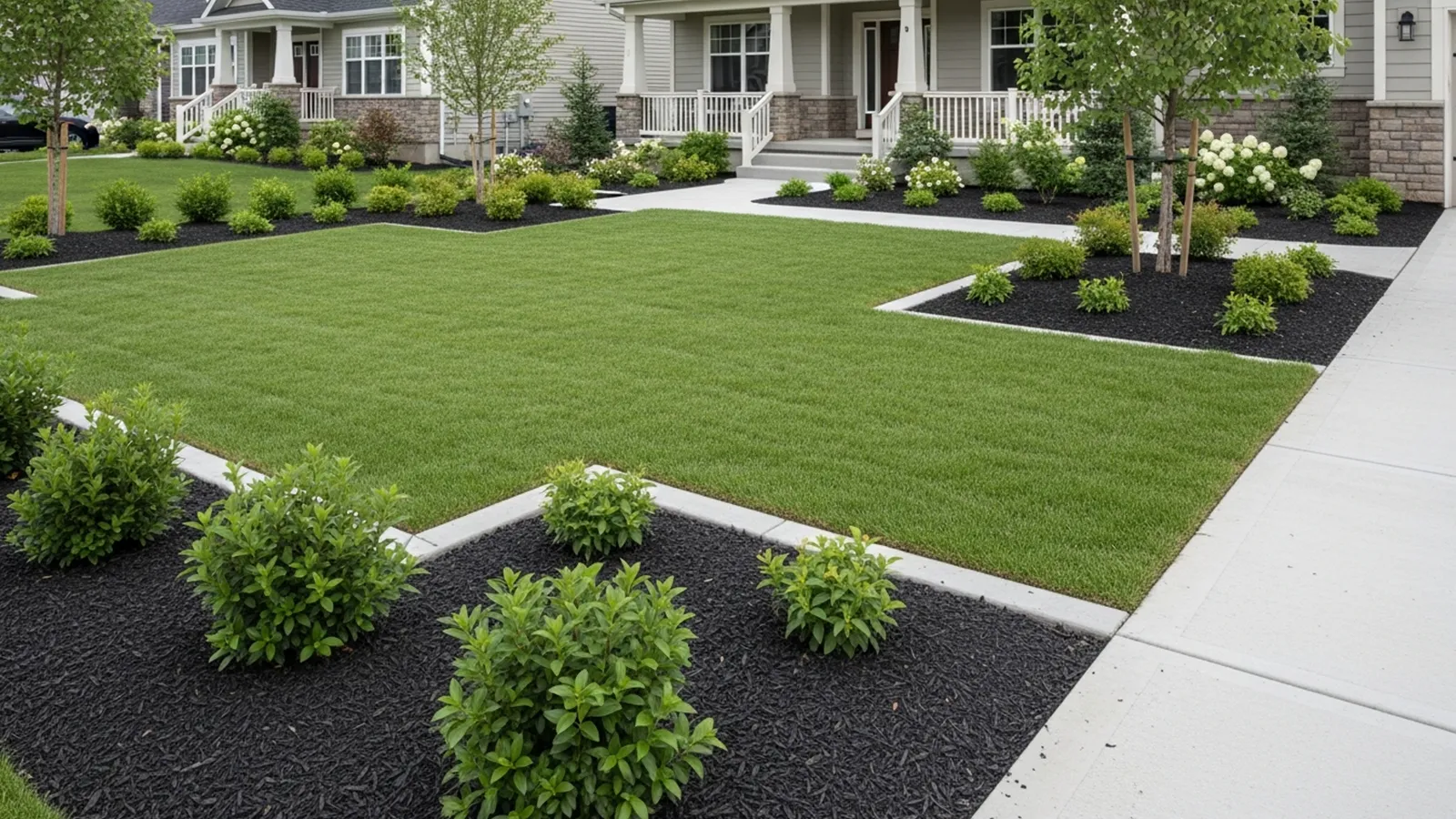
From the street, some front yards feel calm almost immediately, while others feel busy even when they are freshly maintained. That difference usually has less to do with effort and more to do with how clearly the space is organized. When the yard is easy to read at a glance, it naturally feels cleaner.
A simple layout also makes small problems easier to notice. Slight overgrowth, drifting mulch, or misplaced objects stand out sooner, which means they are corrected before they spread. That early visibility is what keeps the yard from quietly sliding into disorder.
Over time, simplicity reduces pressure. Instead of constant adjustments, the yard holds its shape between maintenance days. That stability is what turns cleanliness into a baseline rather than a recurring project.
Define “Clean” in Practical, Daily Terms
Walking past the front yard on the way to the car or bringing in groceries often reveals whether the space actually feels clean. If movement feels smooth and nothing interrupts your path or line of sight, the yard reads as organized. When you have to step around objects or brush past plants, even a tidy yard starts to feel off.
Cleanliness shows up in everyday moments:
-
Clear walking space without hesitation or detours.
-
Open areas that feel intentional rather than leftover.
-
Planting that stays within its boundaries most of the time.
This sense of order is practical, not stylistic. A simple yard can lean modern, traditional, or somewhere in between, as long as each element has a clear purpose. When restraint and spacing are present, personality does not disappear, it just stops competing for attention.
Reset the Layout Into Three Clear Zones
Mess often creeps in where the layout becomes fragmented. Narrow lawn strips, tiny planting pockets, and awkward corners collect weeds and objects because they do not clearly belong to anything. When space is divided into too many small areas, maintenance becomes scattered and inconsistent.
A cleaner approach groups the yard into a few readable zones:
-
An open zone that provides visual rest.
-
A planted zone that feels consolidated rather than scattered.
-
A movement zone that clearly guides people to the door.
Once these zones are clear, decisions become easier. There is less temptation to add “just one more thing” because there are fewer leftover pockets to fill. Larger, more defined areas also mean fewer edges, which reduces trimming, drifting, and visual noise over time.
Limit the Plant Palette to What Stays Predictable
Standing back and scanning a front yard often reveals whether planting feels calm or busy. Too many textures and growth habits create constant visual movement, which can feel messy even when plants are healthy. Repetition helps the eye settle and makes the yard feel intentional.
Predictable plants support cleanliness in daily life:
-
They hold their shape between prunings.
-
They do not collapse or sprawl unexpectedly.
-
They tolerate missed maintenance without looking unkempt.
Spacing reinforces this effect. Crowded planting hides debris and makes small problems harder to spot. Leaving room around plants improves airflow, visibility, and long-term manageability.
Make the Walkway the “Clean Line” That Organizes Everything
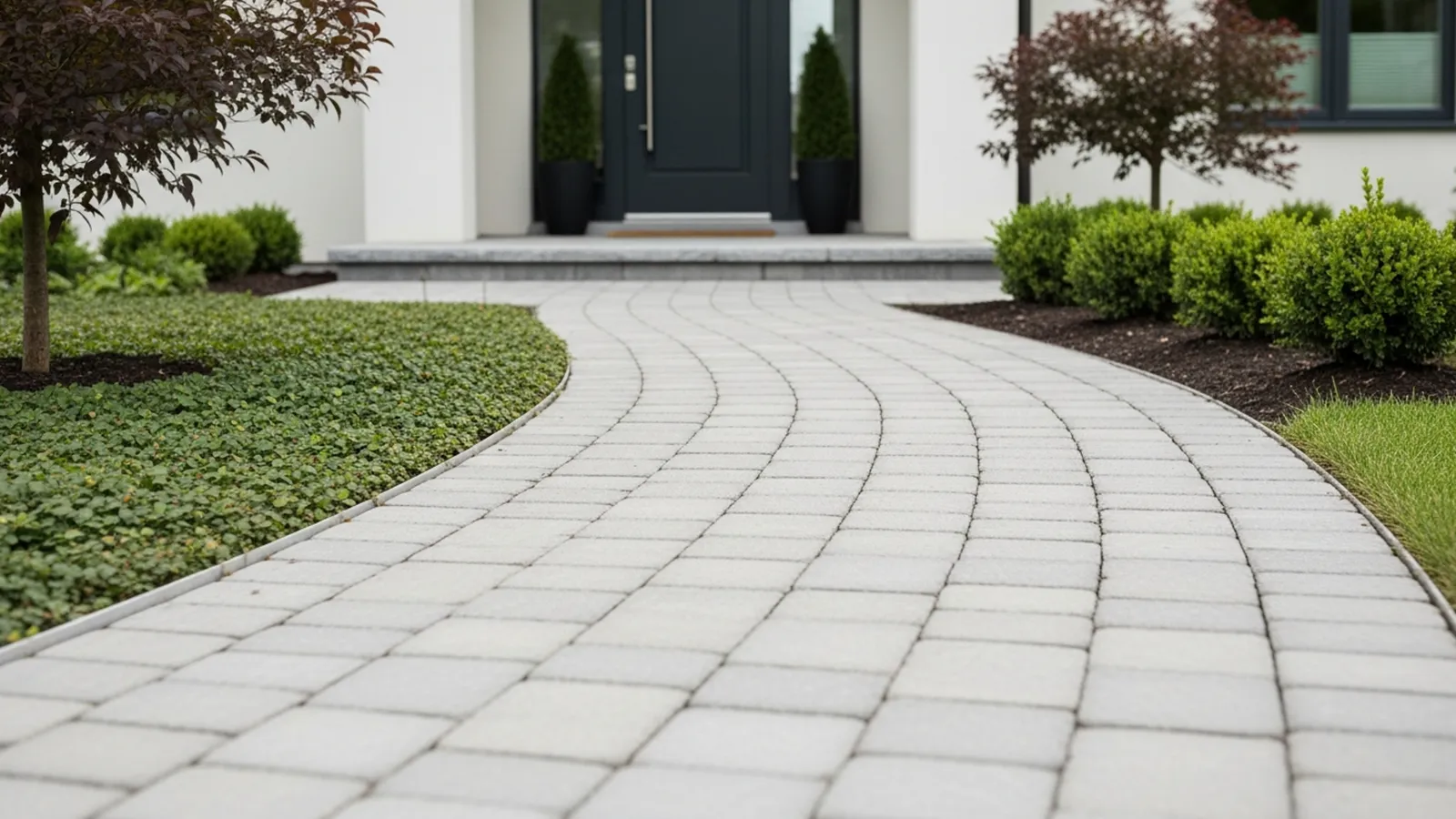
The walkway is often the first place disorder becomes noticeable. If the path feels narrow, crowded, or visually broken, the entire yard feels less organized, even if planting is neat. A clear path quietly sets the tone for everything around it.
Everyday use highlights problems quickly:
-
Plants leaning into the walking space.
-
Decorative items drifting closer over time.
-
Edges that soften and lose definition.
Generous clearance on both sides of the path gives the yard breathing room. When movement feels effortless, people naturally follow the intended route, which protects planting beds and lawn edges from wear.
Choose Surfaces and Edges That Stay Sharp Between Cleanups
After rain, wind, or seasonal change, some yards still look composed while others immediately feel messy. The difference usually comes down to how well surfaces and edges hold their boundaries. When materials drift, cleanliness disappears fast.
Strong edges prevent common problems:
-
Mulch spilling into lawn areas.
-
Gravel spreading onto hard surfaces.
-
Soil splashing onto steps and paths.
Durable, low-profile edging keeps lines in place without drawing attention. Fewer surface transitions also help, because every material change creates another seam where weeds and debris can collect. Simplicity thrives where boundaries are clear and limited.
Build a Maintenance Rhythm That Matches Real Life
A yard that only looks good with constant attention rarely stays clean for long. Busy weeks, weather, and seasonal fatigue quickly expose designs that demand perfection. A simple yard works with real routines instead of against them.
Cleanliness holds when:
-
High-visibility areas stay sharp.
-
Small tasks fit naturally into the week.
-
Missed days do not cause immediate visual collapse.
Focusing effort on the entry zone, walkway edges, and street-facing lines keeps the yard readable even when deeper tasks wait. This balance allows the space to feel consistently maintained without becoming a burden, which is what allows simplicity to last.
Reduce Maintenance Friction Before It Appears
You can usually tell when a yard is starting to slip not because it looks bad, but because caring for it starts to feel annoying. A corner that is hard to reach, a strip that needs special attention, or a surface that takes extra setup slowly discourages regular upkeep. When those moments add up, maintenance gets delayed and order fades quietly.
Friction shows up in small, familiar ways:
-
Tight gaps that are awkward to trim.
-
Corners that collect debris but are easy to ignore.
-
Areas that require extra tools or time to handle.
When these points are reduced or removed, care happens more often without much thought. The yard stays clean not because more effort is applied, but because less resistance stands in the way of doing small tasks regularly.
Control Clutter by Eliminating “Temporary” Items
Most front yard clutter arrives with good intentions. A planter is set down “for now,” a decoration goes out for the season, or a tool is left near the door for convenience. Over time, these temporary choices blend into the landscape and quietly change how clean the yard feels.
Clutter tends to gather in predictable spots:
-
Near walkways and steps.
-
Along edges and corners.
-
Close to the entry where items are set down quickly.
Once one object stays, others follow. The yard begins to feel busy even if nothing is broken or overgrown. Limiting what is allowed to remain visible protects the overall clarity of the space and keeps small objects from rewriting the layout.
Design Storage Into the Yard, Not Around It
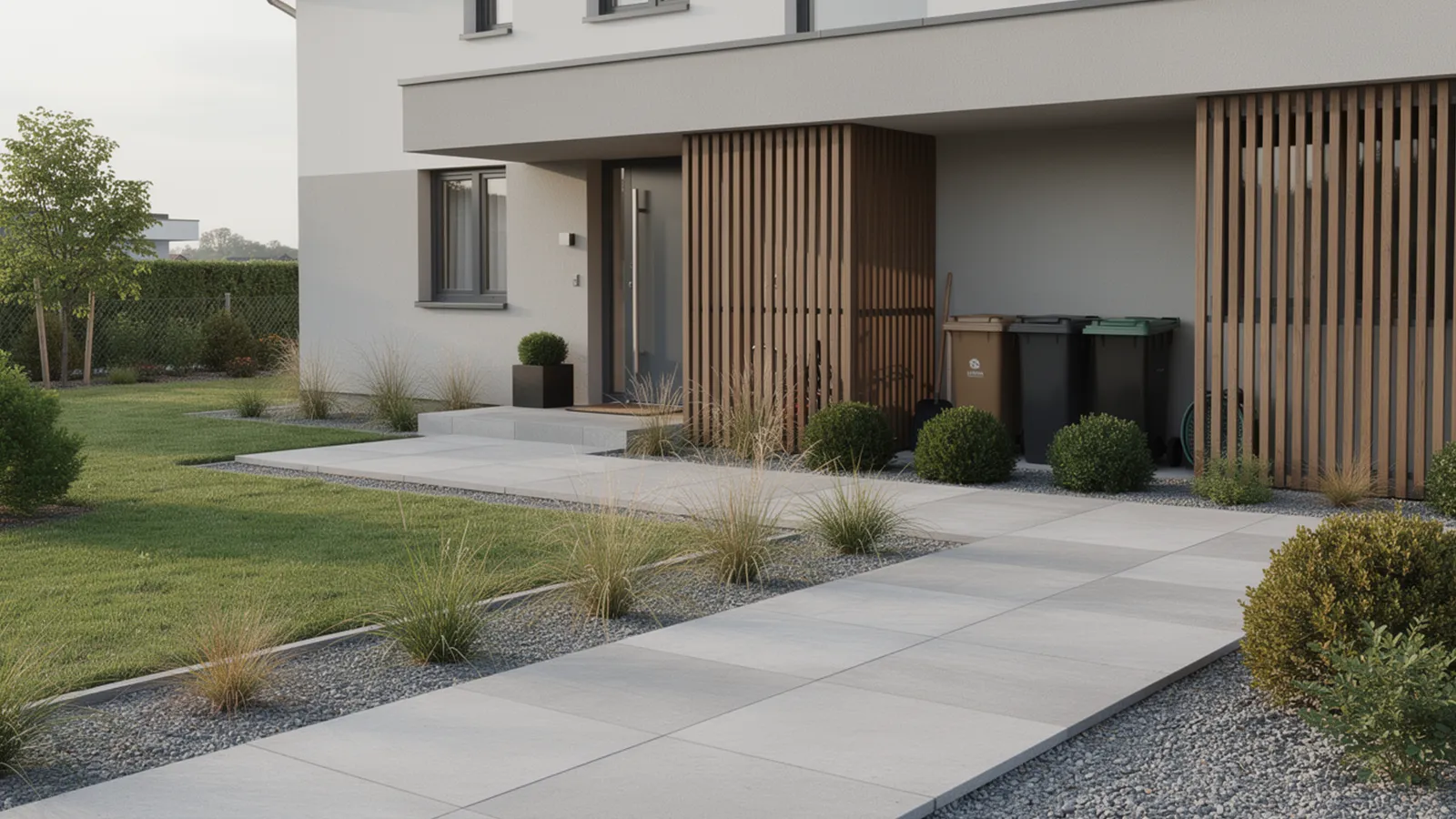
A front yard often looks messy not because too much is happening, but because functional items have nowhere to go. Trash bins, hoses, pet supplies, and tools all need a place, and when that place is undefined, they end up in sightlines.
Effective storage works quietly:
-
It is easy to reach without moving other items.
-
It stays visually calm and low-profile.
-
It removes objects from view instead of disguising them.
When storage is built into the design, items are more likely to be put away immediately. That single habit keeps the yard feeling composed even during busy weeks, because clutter never gets a chance to settle in.
Simplify Watering to Prevent Mess and Overgrowth
Water often reveals whether a yard is designed for cleanliness or constant correction. Muddy patches, splashed soil, and fast, uneven growth make even neat spaces feel disorderly. When watering is excessive or unfocused, maintenance pressure increases quickly.
Simpler watering creates clearer results:
-
Growth stays closer to intended size.
-
Soil remains stable instead of washing or splashing.
-
Cleanup after rain or irrigation is faster.
When water supports the design instead of fighting it, plants behave more predictably. That predictability reduces pruning, trimming, and the visual mess that comes from constant correction.
Allow Empty Space to Carry Visual Weight
It is easy to mistake open space for something unfinished, especially in a front yard. Yet the areas without planting are often what make the rest of the yard feel organized. Open lawn, gravel, or clear ground gives the eye a place to rest.
Empty space does important work:
-
It absorbs seasonal debris more gracefully.
-
It makes planting areas easier to read.
-
It reduces the sense of crowding as plants mature.
When every gap is filled, the yard becomes visually dense and harder to manage. Leaving space on purpose creates calm and makes the entire layout feel more intentional over time.
Maintain Clean Sightlines From Street to Entry
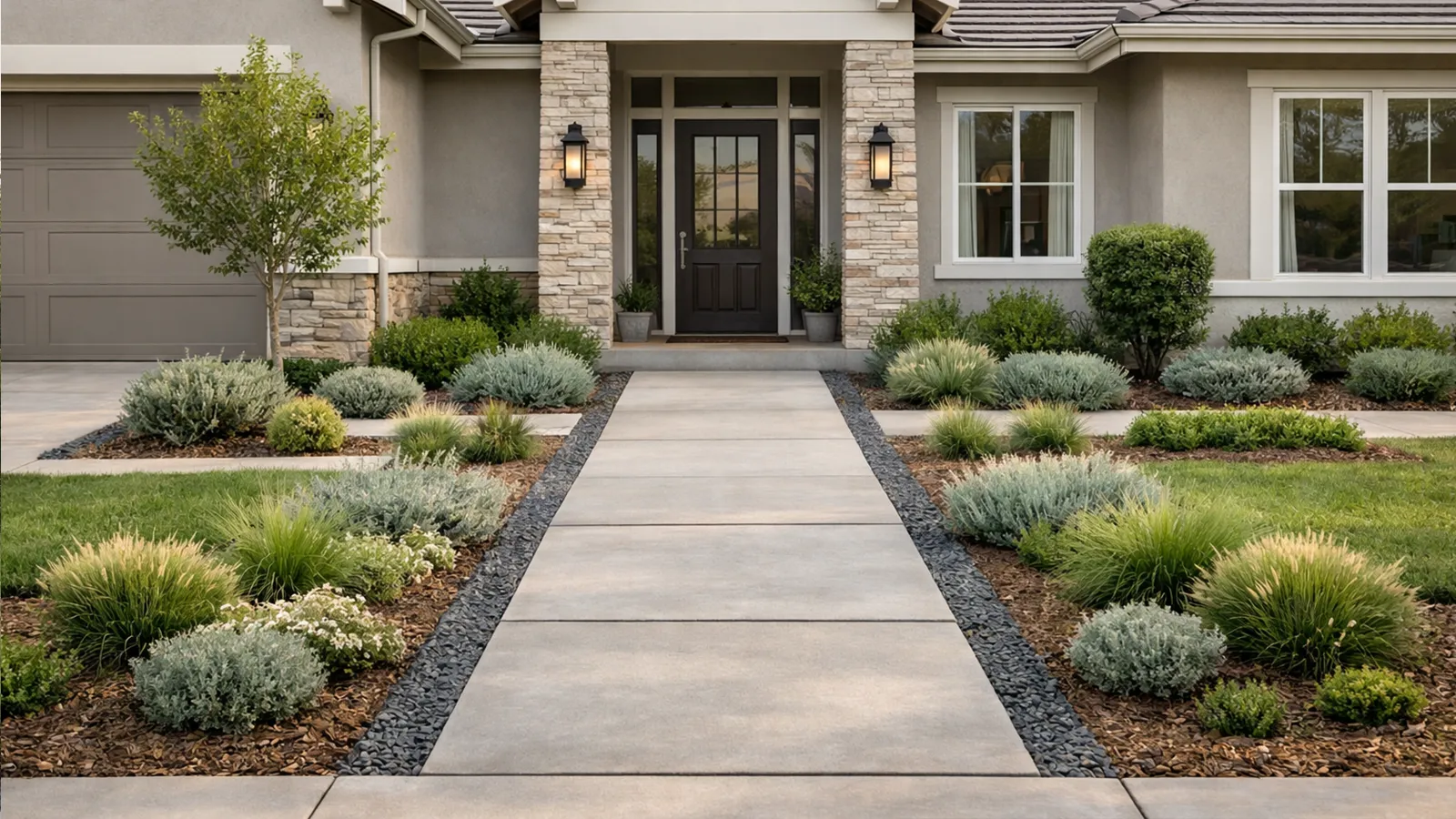
Standing at the curb often tells you whether a yard feels clean. If the eye can move easily from the street to the front door, the space feels organized before details are noticed. When views are blocked or broken, even small clutter becomes more visible.
Clear sightlines are shaped by:
-
Plant height near walkways.
-
Consistent spacing along paths.
-
Intentional placement of taller elements.
When these visual corridors stay open, movement follows them naturally. People walk where they are meant to, wear stays contained, and the yard holds its structure more easily through daily use and seasonal change.
Lock in Clean Edges With Habit, Not Effort
You usually notice edges slipping before anything else looks wrong. Lawn lines soften, mulch creeps outward, or gravel starts to blur into surrounding surfaces. These small shifts change how the whole yard reads, even if plants are healthy and trimmed.
Edges stay clean when attention is light but frequent:
-
A quick correction before drift spreads.
-
Noticing change during normal use, not inspections.
-
Resetting lines while the fix is still small.
Sharp edges act like visual anchors. When they hold, the yard still feels ordered even if everything else is not perfect. This is why short, regular attention does more than occasional heavy cleanup.
Manage Seasonal Debris Before It Spreads
Seasonal debris becomes a problem when it settles into places that are hard to clear. Leaves in corners, seed pods in tight beds, and winter grit along edges all make a yard feel neglected faster than general clutter. Where debris lands matters as much as how much there is.
Some areas handle debris better than others:
-
Open lawn and hard surfaces clear quickly.
-
Wide beds allow easy access.
-
Tight planting traps material and hides buildup.
Small, repeated clearing keeps debris from migrating into seams and edges. When mess is contained early, the yard avoids the cycle of looking fine one week and overwhelmed the next.
Adjust Plant Growth Instead of Constantly Cutting It Back
Plants that repeatedly need cutting are often in the wrong place. Over time, constant trimming makes the yard feel busy and unfinished, because growth never quite settles. The issue is not effort, but mismatch between plant behavior and available space.
Growth becomes manageable when:
-
Plants are allowed to reach natural form.
-
Scale matches the area they occupy.
-
Replacement is chosen over repeated reduction.
When plants fit their space, sightlines stay open and debris is easier to spot. The yard looks calmer because growth feels intentional rather than restrained.
Keep the Entry Zone Cleaner Than the Rest
The space near the front door carries disproportionate visual weight. Even small clutter here makes the entire yard feel less organized, while a clean entry can offset minor disorder elsewhere. This area shapes first impressions before anything else is noticed.
Entry zones stay clean when:
-
Planting is limited and controlled.
-
Surfaces are durable and easy to clear.
-
Objects are stable, not temporary.
Focusing attention here creates balance. When time or energy is limited, maintaining this zone preserves curb appeal and keeps the yard feeling cared for.
Let the Walkway Reinforce Order and Behavior
Movement patterns shape how a yard wears over time. When a walkway is obvious and comfortable, people follow it without thinking. When it feels narrow or indirect, shortcuts appear and disorder spreads outward from foot traffic.
Clear paths support cleanliness by:
-
Keeping traffic off planting beds.
-
Protecting lawn edges from wear.
-
Making clutter near the path more noticeable.
When movement feels natural, the yard reinforces its own structure through daily use.
Accept “Good Enough” to Preserve Long-Term Cleanliness
A yard that only looks good when everything is perfect rarely stays clean. Small flaws are inevitable, especially with weather, growth, and daily activity. The difference between a stable yard and a frustrating one is how well it tolerates imperfection.
Cleanliness holds when:
-
Order remains visible between maintenance cycles.
-
Small issues do not trigger full resets.
-
Effort stays proportional to impact.
Accepting minor variation protects consistency. When the design carries most of the load, the yard stays calm and readable over time, which is what allows a clean and simple front yard to last.
Built environment guidelines: https://www.epa.gov/smartgrowth