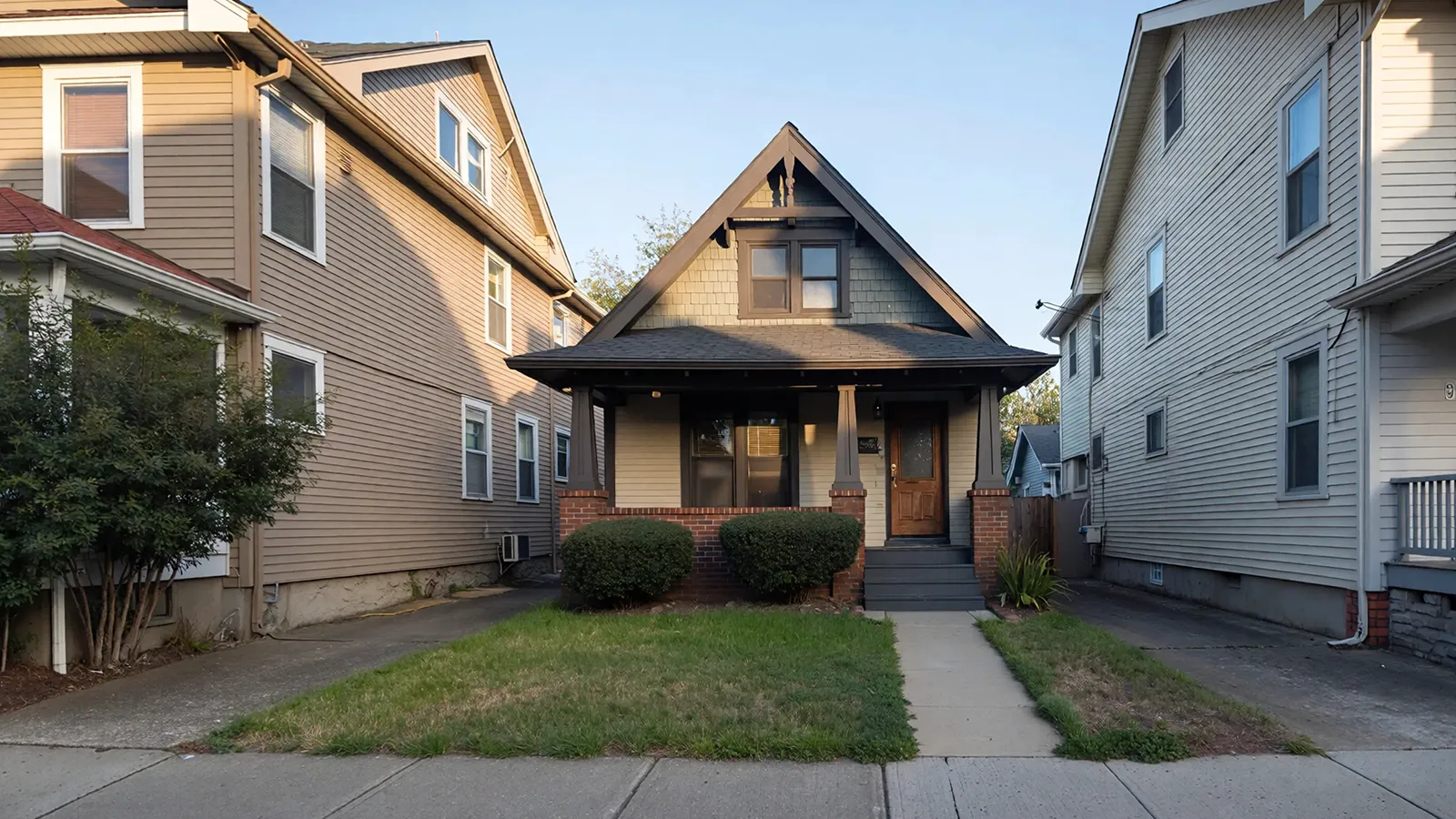
You pull into the driveway and step out. The house looks fine, yet the yard feels tighter than you remember. Before you even reach the door, something feels slightly off.
On a narrow lot, small choices show up fast. A shrub that leans too far out or a path that bends without purpose can shift how the entire facade reads. There is simply less room for visual mistakes.
Most of these yards are not too small. They are just unstructured. When edges, paths, and planting do not align clearly, the space feels crowded even though nothing has physically shrunk.
Landscape designers often notice that narrow lots rarely feel tight because of their actual dimensions. They feel tight because proportion, circulation, and planting scale are misaligned. On constrained frontages, small layout decisions visually compound over time, gradually compressing space even when the lot size never changes.
Ignoring Proportional Balance in Narrow Front Yards
You stand across the street and look at the house. The facade feels heavy, and the yard looks like a thin strip wrapped around it. The problem usually starts with proportion.
On narrow lots, the house already fills most of the width. When shrubs grow wide or planting beds extend too far outward, they compete with the facade instead of framing it. You notice:
-
Windows look partially covered.
-
The walkway feels closer to plants than expected.
-
The house appears bulkier than it actually is.
This happens because mature plant size was not considered. A shrub that looked harmless in a nursery pot can easily take up 30 inches or more once established. On a tight frontage, that extra width changes how the entire elevation reads from the street.
Choosing plants by mature width, not current size, keeps the yard from slowly closing in on itself. Narrow, upright varieties soften the facade without pushing into walking space. When proportions feel right, the yard supports the house instead of fighting it.
Overcomplicating the Entry Path
You walk toward the front door and instinctively adjust your steps. The path curves slightly, then narrows, then shifts again. Nothing is technically wrong, but it feels awkward.
Curves and decorative turns may work in wide yards. On narrow lots, they often reduce usable width and create small pinch points. Over time, you notice:
-
Guests hesitate near the bend.
-
Plant edges brush against legs.
-
The door feels less direct than it should.
A straight or gently aligned path usually feels calmer. It gives the eye a clear line from sidewalk to entry. On a tight lot, that clarity creates relief.
This same issue shows up in other compact outdoor areas. Small patios frequently lose function when layout decisions prioritize decoration over movement efficiency. When walking space competes with design features, the space feels smaller than it is.
Keeping the entry route simple does not make it boring. It makes it comfortable.
Planting Too Close to Property Lines
You edge along the side of the yard to take out the trash, and branches brush your shoulder. The fence feels closer than it used to. That creeping pressure often begins at the property line.
Planting directly against side boundaries may seem efficient at first. It leaves more open area in the middle. But as plants mature, several things start to happen:
-
Branches lean into neighboring space.
-
Maintenance becomes harder near fences.
-
Airflow between homes decreases.
On narrow lots, side setbacks are already tight. When greenery pushes inward from both sides, the yard begins to feel boxed in. Even if the lawn area remains the same, the perception of width shrinks.
Leaving a slim buffer along property lines helps. Low groundcovers or mulch strips keep edges soft without creating long-term crowding. The yard breathes better, and daily movement feels less restricted.
Using Large Foundation Shrubs That Block Light
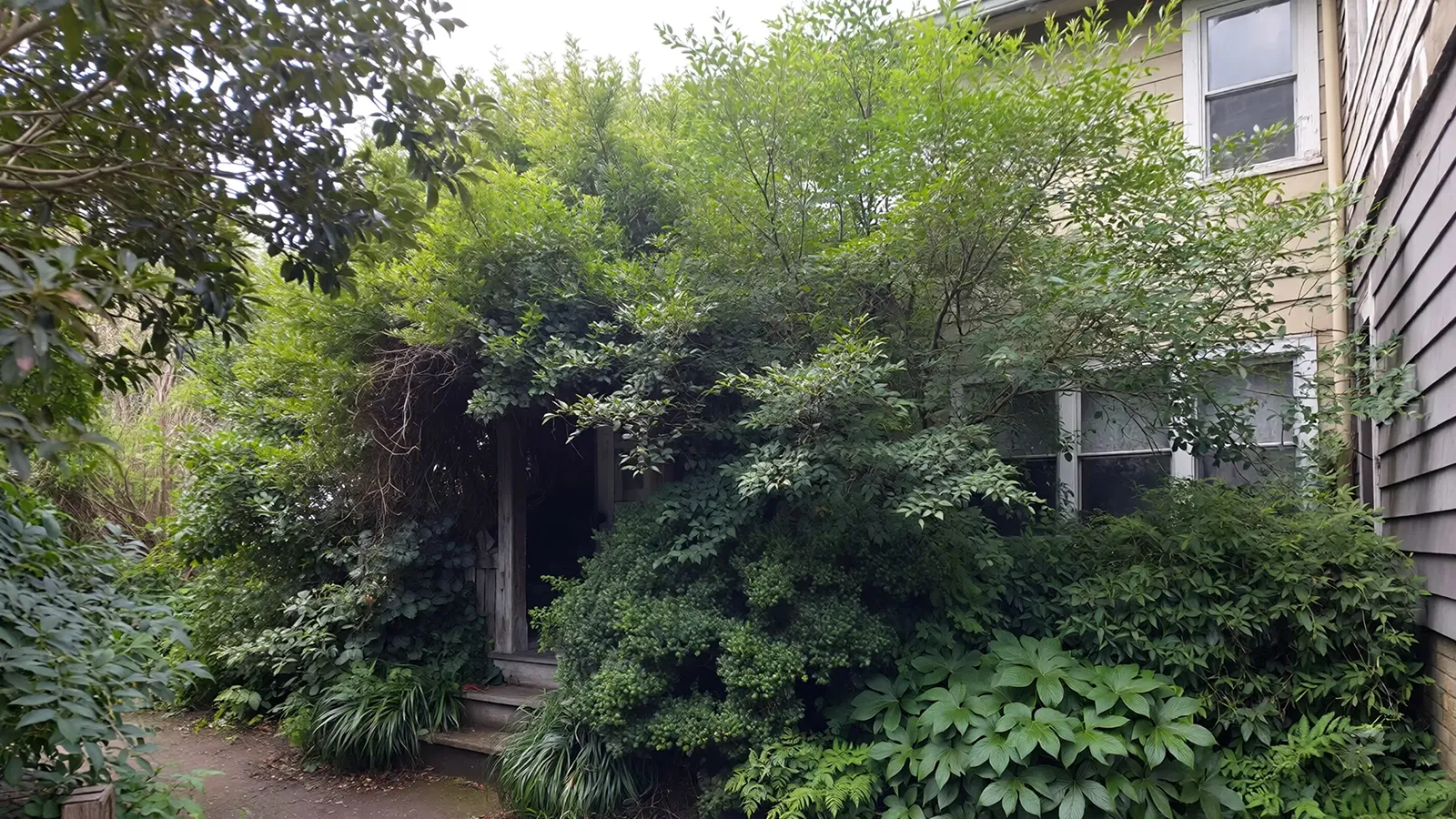
You sit inside the living room and notice the space feels dim, even during the day. Outside, thick shrubs rise past the window sills. The connection between interior and exterior has quietly closed.
Large evergreen foundation plants are often chosen for fullness. On narrow lots, that fullness quickly turns heavy. You begin to see:
-
Lower windows disappear behind foliage.
-
The porch feels smaller.
-
The facade looks top-heavy.
Trimming can help temporarily, but it does not change the plant’s growth habit. If the mature size exceeds the available depth, the yard will always feel tight.
Medium-height shrubs with controlled spread keep the base of the house soft without blocking light. When windows remain visible, the home feels more open from both inside and out.
Neglecting Visual Privacy From the Street
You sit near the front window at night and feel exposed to passing headlights. The yard may look neat, but it offers no filter. On shallow lots, that exposure is common.
Ignoring privacy creates daily discomfort. You may notice:
-
Curtains stay closed more often.
-
Porch seating goes unused.
-
Interior lights reflect directly onto the street.
Solid barriers can solve this, but they often overwhelm the frontage. Narrow yards benefit from lighter layering. Low hedges combined with slender vertical plants soften sightlines without building a wall.
At this point, several patterns become clear.
Why Narrow Front Yards Feel Smaller Over Time
| What You Notice | What You Assume | What Is Actually Happening |
|---|---|---|
| The yard feels smaller each year. | The lot size is the problem. | Plant growth and layout decisions are compressing visible space. |
| The entry seems awkward to use. | The walkway is too short. | Circulation is overdesigned and lacks clear direction. |
| The house looks heavy from the street. | The facade design is outdated. | Plant scale and symmetry are exaggerating width constraints. |
These issues do not come from the lot itself. They come from small design choices that accumulate. On narrow properties, those choices show faster and feel stronger.
Allowing Lawn to Dominate Limited Square Footage
You look across the front yard and see a wide strip of grass stretching from driveway to walkway. It seems simple, but it also makes the property feel thinner. On narrow lots, lawn often highlights the lack of width instead of softening it.
Grass creates one continuous horizontal plane. That flat surface makes side boundaries more obvious. After a season or two, you begin to notice:
-
Mowing feels cramped along the edges.
-
The strip near the driveway wears down faster.
-
The yard looks empty even when it is well maintained.
Because turf needs clear borders, planting beds get pushed to the perimeter. That framing effect visually narrows the property. Reducing lawn coverage and adding structured planting zones breaks that flatness and introduces depth without changing lot size.
Installing Fences That Visually Shrink the Yard
You stand at the sidewalk and feel cut off from the street. The fence provides privacy, but it also stops your eye abruptly. In tight front yards, that hard boundary often makes the space feel shorter and boxed in.
Solid fencing across the frontage tends to create:
-
A sudden visual stop at the property line.
-
Less light reaching planting beds near the edge.
-
A stronger sense of enclosure from inside the yard.
When the eye cannot travel beyond the fence, the yard feels self-contained. Open or semi-transparent materials allow light and movement to pass through, which keeps the frontage from feeling sealed. On narrow lots, filtered separation works better than total closure.
Why does my narrow driveway feel wider than my walkway even though they measure the same?
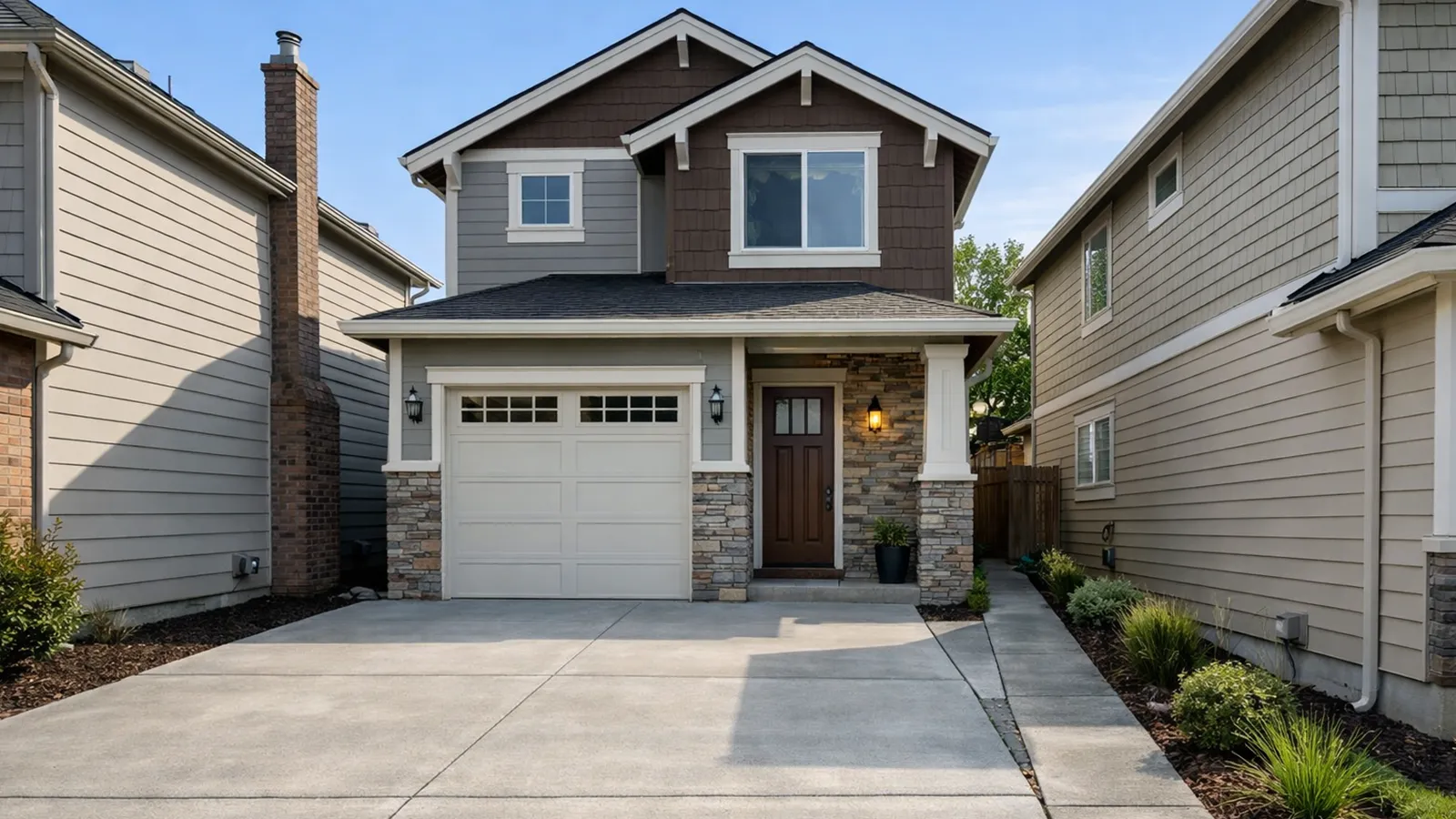
You pull into the driveway and step out. The concrete feels broad and open, while the walkway to the front door seems tight and secondary. The tape measure may show similar widths, but your perception says otherwise.
Visual weight often overrides actual dimensions. Surface color, uninterrupted area, and edge treatment change how wide something feels before numbers ever enter the picture.
Is the driveway truly wider, or does it just look that way?
It often looks wider because it has fewer visual breaks and stronger edge definition.
Does darker paving make a surface feel larger?
Yes. Dark, solid surfaces create stronger contrast and visual mass.
Why does the walkway feel narrow near planting beds?
Plants soften and blur edges, which visually reduces clear walking width.
Can lighting affect width perception at night?
Yes. Brighter illumination makes a surface appear more dominant and expansive.
Does slope influence how wide a path feels?
It can. A slight incline shifts focus to footing, which increases the sense of tightness.
When driveway and walkway materials contrast sharply, the driveway gains visual priority. Even without expanding the slab, subtle material transitions and planting buffers can rebalance perception.
Failing to Coordinate Front Yard Planning With Overall Layout
You update the driveway one year and replace shrubs the next. Lighting comes later. Standing back, the yard feels pieced together rather than planned.
When decisions are made separately, narrow spaces amplify inconsistency. You may notice:
-
Materials that do not visually relate.
-
Circulation paths that lack alignment.
-
Plant groupings that feel random instead of structured.
Thoughtful front yard planning begins with a clear framework that defines movement, focal points, and long-term growth before any plants or materials are selected. Without that shared structure, each addition competes for space.
On a narrow lot, unity is not decorative. It is structural. When every element supports the same layout logic, the yard feels organized instead of compressed.
Using Lighting That Creates Glare Instead of Depth
You turn on the front lights at night and the yard looks flat and overly bright. Shadows disappear, and the facade feels closer than it did during the day. In narrow front yards, harsh lighting removes the depth that helps the space breathe.
Bright fixtures placed at eye level often create:
-
Glare that washes out texture.
-
Strong contrast between lit and unlit zones.
-
A spotlight effect on the driveway instead of the entry.
When lighting shifts lower and softer, surfaces regain dimension. Warm-toned pathway lights and subtle uplighting on vertical elements create layers instead of glare. The yard feels deeper at night because shadows return in controlled ways.
Blocking Sightlines From Interior Rooms
You sit in the living room and look out the front window. Instead of a layered view, you see the back of a hedge just a few feet away. That close visual stop can make the interior feel smaller than it is.
On narrow lots, windows are already closer to sidewalks and neighbors. Dense plantings placed directly in front of glass often result in:
-
Reduced natural light.
-
A sense of enclosure indoors.
-
Less visual connection to the street.
Shifting tall plant material slightly to the side or creating staggered layers changes the experience. From inside, you begin to see depth again rather than a wall of green. The yard becomes part of the interior view instead of a barrier.
Mismanaging Transitional Zones Between Public and Private Space
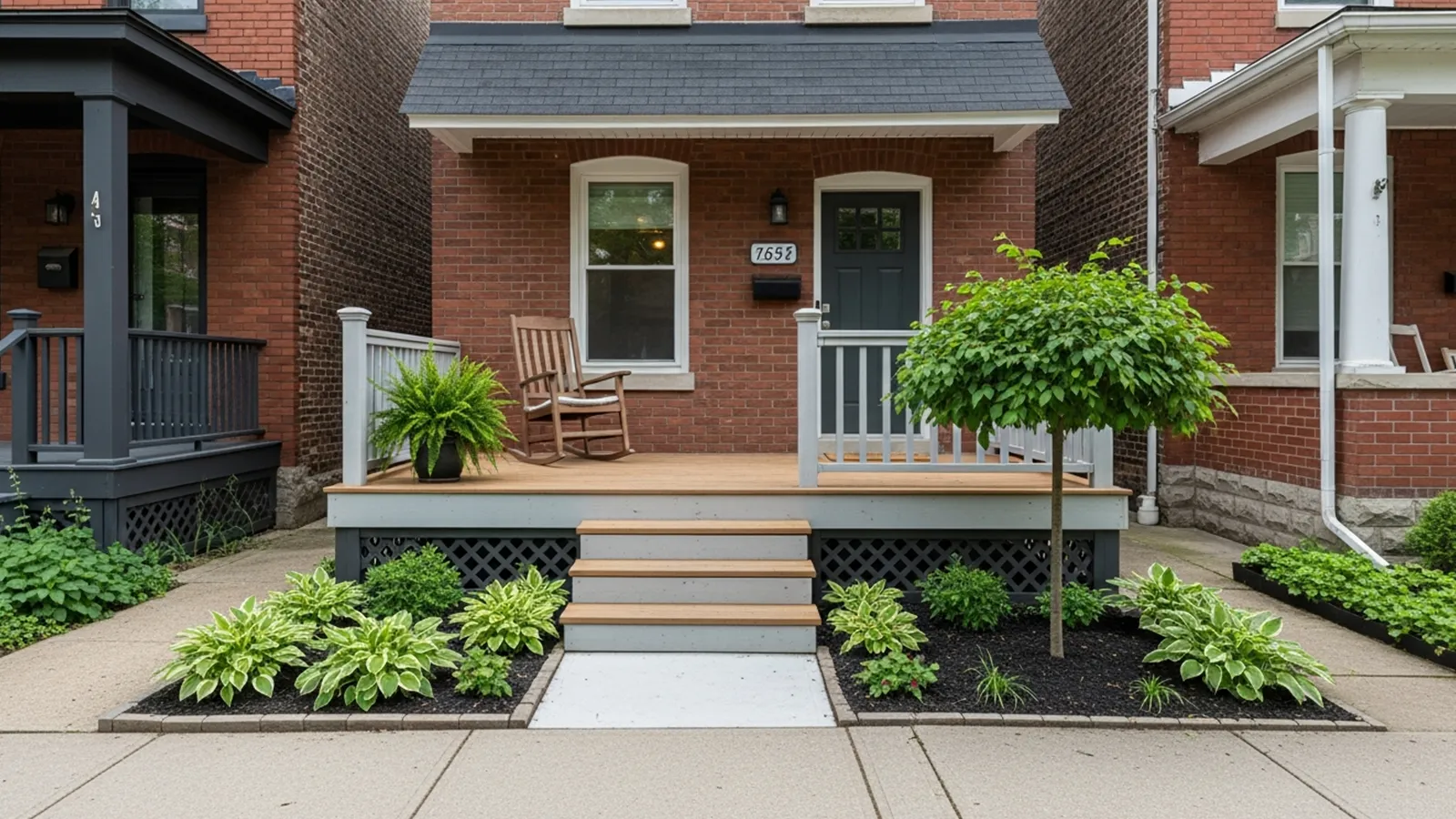
You step from the sidewalk directly onto the porch without any pause. The shift from public to private feels abrupt. On shallow lots, that missing transition often creates subtle discomfort.
A layered edge changes how the yard functions. Instead of a hard jump from street to door, you begin to experience:
-
A slight pause near a planting strip.
-
A change in surface texture before the steps.
-
A visual cue that signals arrival.
These small spatial adjustments reshape daily use. The porch becomes a place to linger rather than a threshold you cross quickly.
There is one area where these changes tend to concentrate.
Your eye settles on the front door instead of the driveway. The walkway feels open, not pinched at the edges. The porch has breathing room. The lot has not changed, but the yard feels less tight. Scale, light, and movement are finally working together.
Layout decisions that ignore circulation logic often create spaces that are technically usable but practically inconvenient. On narrow properties, reconnecting those circulation lines restores comfort without adding bulk.
As you look at the yard now, a few quiet recognitions may surface:
The walkway now feels easier to use, with no leaves brushing against your legs as you pass.
Evening lighting adds depth instead of flattening the facade into a bright surface.
After a storm, water moves away naturally instead of lingering near the foundation.
At dusk, the porch feels like a place to pause rather than a threshold to rush through.
From inside, the front window frames layered space instead of a wall of greenery.
These are subtle shifts, but they change daily experience. On narrow lots, space rarely grows. It simply starts working with you instead of against you.
Broader site planning principles outlined by the American Society of Landscape Architects (ASLA) reinforce that scale, circulation, and proportion must be resolved early in the design process to prevent long-term spatial compression.