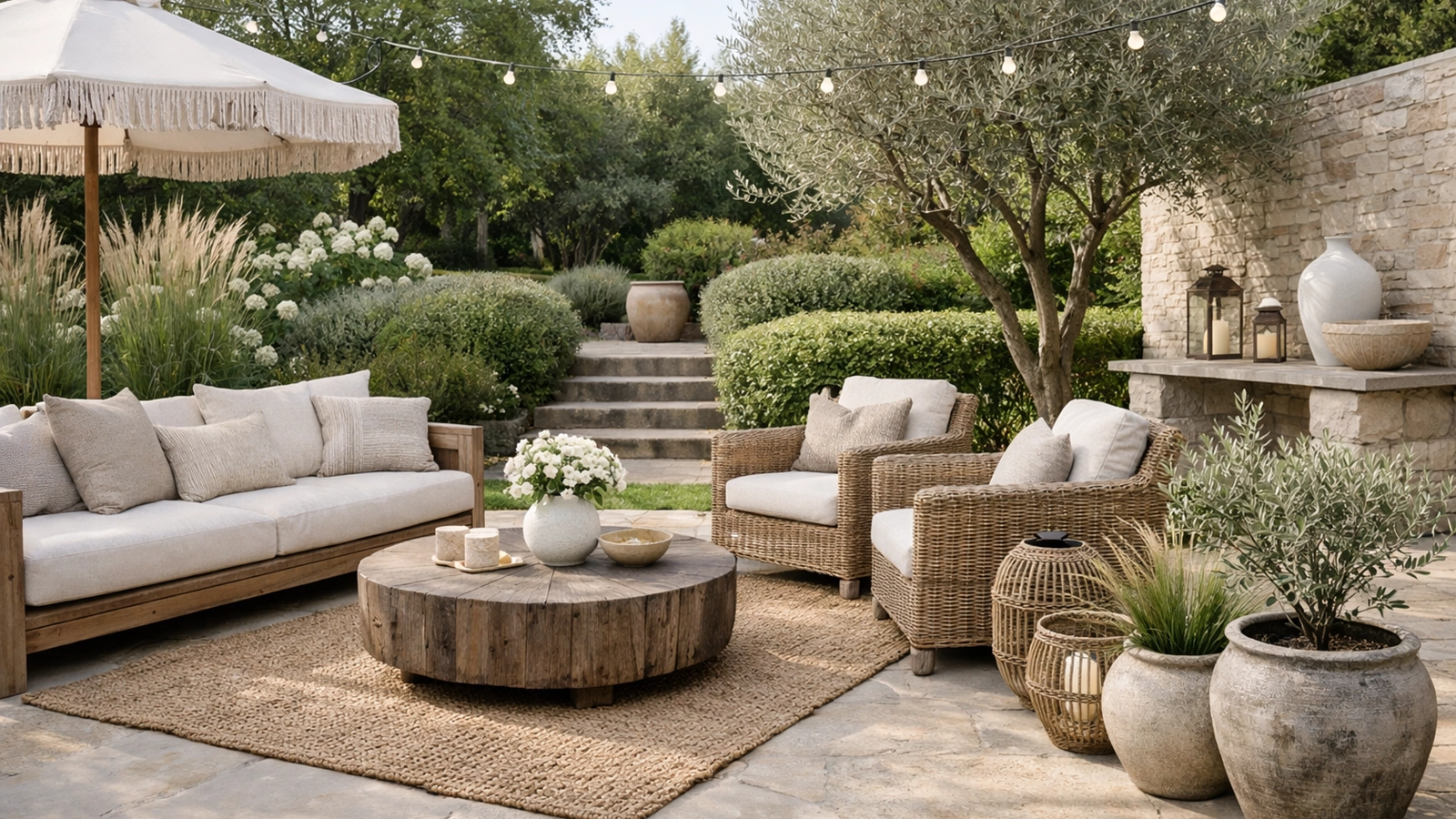
Creating a visually calm garden is less about how much you add and more about how intentionally you choose. Decor has the power to guide the eye, shape movement, and reinforce how a space is meant to be used. When it is applied without restraint, however, even high-quality pieces can compete rather than complement.
A well-composed garden allows decorative elements to breathe. Space itself becomes part of the design, giving meaning to every object that remains. This approach supports long-term enjoyment instead of short-lived visual impact.
Thoughtful restraint also makes outdoor areas easier to maintain and more adaptable to seasonal change. By understanding how overcrowding happens, it becomes easier to design with clarity from the start.
Understanding Visual Overcrowding in Outdoor Spaces
Visual overcrowding occurs when too many elements demand attention at once, leaving the eye without a place to rest. In gardens, this often comes from combining multiple decor styles, colors, and scales without a unifying structure. Even when individual pieces are attractive, their collective impact can feel chaotic rather than inviting.
Overcrowding is not only about quantity but also about proximity and repetition. Objects placed too close together visually merge into clutter, while repeating similar items across the space reduces their individual value. A garden benefits when decor is allowed to stand alone, creating moments of focus rather than constant stimulation.
Another contributor to overcrowding is ignoring how the garden is experienced in motion. As people walk through the space, overlapping sightlines can compress visual information. Designing with pauses and open zones helps prevent the garden from feeling visually exhausting.
Start With the Garden’s Primary Function
Every successful garden begins with a clear understanding of how it will be used. A space meant for dining requires a different decorative approach than one designed for quiet reflection or casual play. When decor does not support the primary function, it often becomes unnecessary visual noise.
Identifying the main activity helps limit decor choices naturally. For example, a dining-focused garden benefits from subtle table accents and ambient lighting rather than scattered ornaments. This keeps attention on comfort and usability instead of distraction.
Function also determines durability and placement. Decorative elements that interfere with movement or require constant adjustment often signal that the space has been overfilled. When decor aligns with function, it feels intentional and effortless.
Use Focal Points Instead of Multiple Accents
A focal point gives the eye a destination, reducing the urge to fill every corner with decoration. In garden design, this could be a sculptural planter, a fire feature, or a single statement piece placed with intention. Once a focal point is established, surrounding areas can remain simpler without feeling empty.
Multiple competing accents dilute visual impact. When everything is emphasized, nothing stands out. Limiting the number of focal elements allows each to carry more visual weight and meaning within the space.
Focal points also help organize surrounding decor. Smaller items can echo materials or colors from the main feature without repeating its form. This creates cohesion while avoiding clutter through hierarchy rather than abundance.
Scale and Proportion as the Foundation of Restraint
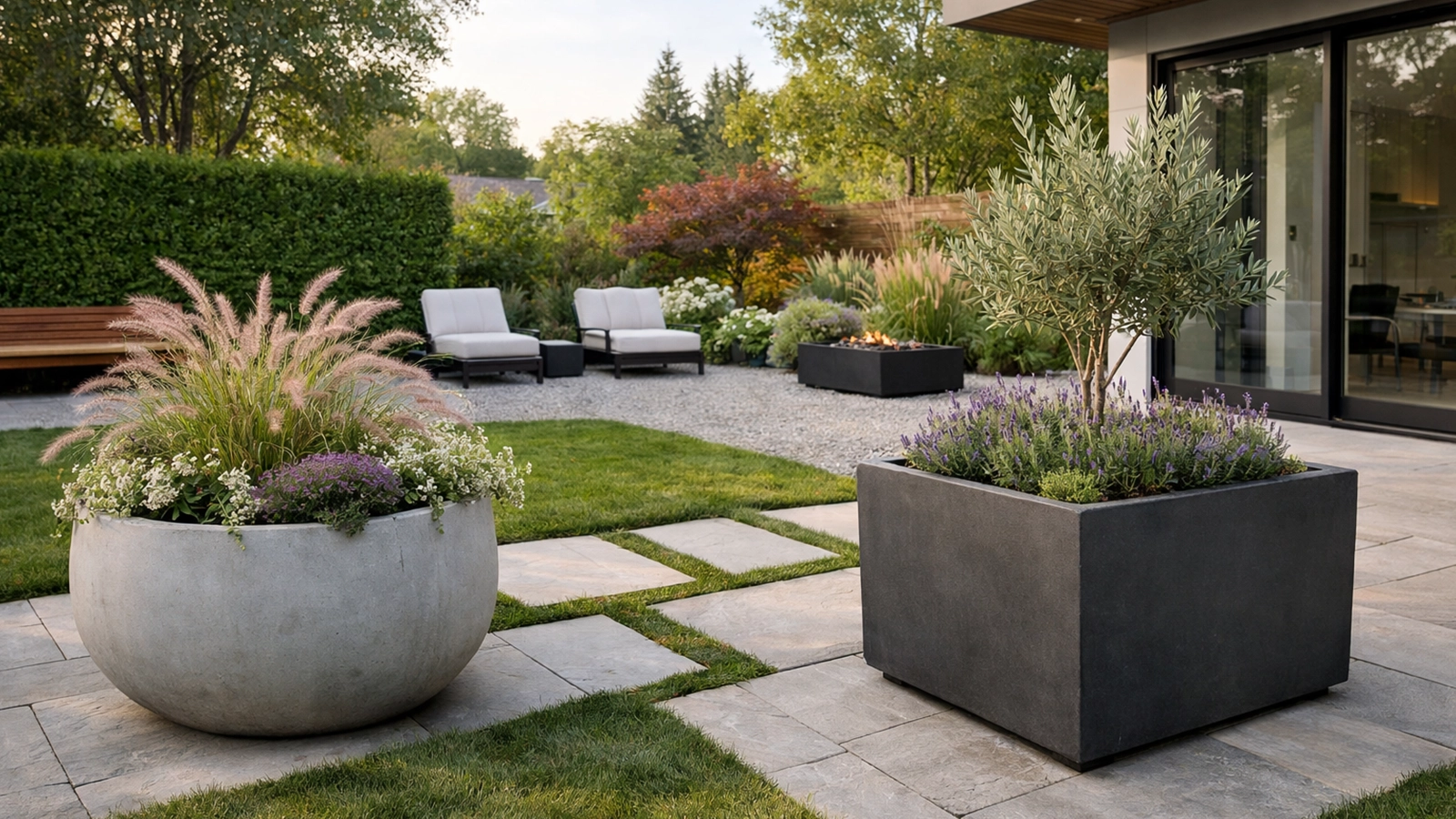
Decor that is out of scale with its surroundings often creates instant visual tension. Oversized objects can dominate small gardens, while tiny accents may disappear or encourage overfilling to compensate. Understanding proportion helps prevent both extremes.
A single appropriately sized piece often replaces several smaller ones. For example, one substantial planter can define an area more effectively than multiple small pots clustered together. This reduces visual clutter while maintaining presence.
Proportion also applies vertically. Tall decor in low spaces can feel intrusive, while low-profile elements preserve sightlines and openness. Matching decor height to the surrounding structures keeps the garden visually grounded.
Let Negative Space Do the Work
Negative space is not empty space but intentional openness. In gardens, it allows plants and decor to stand out more clearly by giving them visual separation. Without negative space, even beautiful elements lose their impact.
Open ground, uncluttered tabletops, and undecorated walls provide balance. These areas help reset the eye between focal points and prevent sensory overload. Negative space also makes gardens feel larger and more breathable.
This principle supports long-term flexibility. Spaces that are not overly filled can adapt to seasonal changes or new needs without requiring a full redesign. Restraint today creates opportunity tomorrow.
Edit Regularly Instead of Adding Continuously
Gardens evolve, and decor should evolve with them. A common cause of overcrowding is accumulation over time rather than intentional design. Seasonal additions, gifts, and impulse purchases can slowly overwhelm the space if nothing is removed.
Regular editing keeps decor aligned with current needs and aesthetics. Removing one item before adding another maintains balance and encourages thoughtful selection. This practice turns decorating into refinement rather than expansion.
Many homeowners find that editing reveals what truly matters in their outdoor space. Pieces that remain after careful removal often feel more meaningful and visually powerful. A similar philosophy of intentional design is explored through practical examples that show how everyday outdoor spaces benefit from clarity and purpose rather than excess.
Create Visual Zones Instead of Filling Space
Gardens feel overcrowded when decor is scattered evenly rather than organized intentionally. Creating visual zones allows each area to have a clear purpose, which naturally limits how much decor belongs there. When the eye understands where one zone ends and another begins, the space feels calmer even with decorative elements present.
Zoning can be achieved through subtle cues such as changes in ground material, furniture orientation, or plant height. These boundaries reduce the urge to decorate every square foot because each zone already feels complete. A seating area, for example, may only need one or two supporting decor pieces once its role is clearly defined.
Zoned gardens also age better over time. As plants grow or layouts shift, decor can be reassigned or removed without disrupting the entire space. This flexibility prevents clutter from becoming permanent.
Limit Decorative Materials to a Consistent Palette
⚠️ Mixing too many materials is one of the fastest ways to overwhelm an outdoor space. Stone, metal, ceramic, wood, and concrete each bring distinct visual weight, and combining all of them can fragment the design. A limited material palette creates unity and reduces visual noise.
Choosing two or three primary materials allows decor to feel connected even when pieces vary in shape or size. For instance, ceramic planters and glazed tiles can coexist comfortably because they share surface qualities. This approach helps individual items blend into a coherent whole rather than competing for attention.
Consistency does not mean monotony. Texture, finish, and scale variations within the same material family still provide interest. The key is that the material language remains legible at a glance.
Use Plants as the Primary Decor Layer
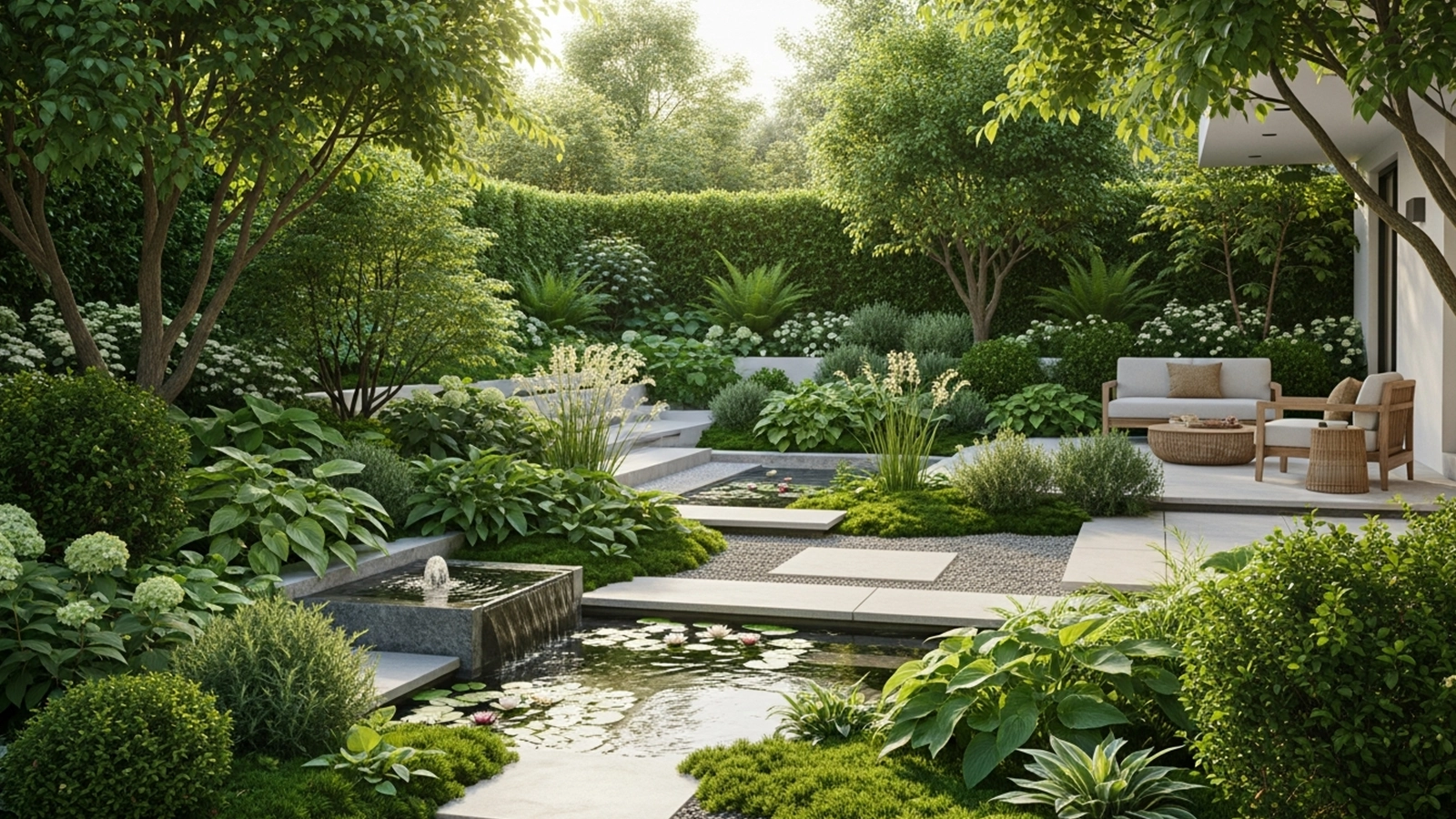
Plants already provide color, texture, and movement, making them the most efficient decorative element available. When plants are treated as decor rather than background, fewer accessories are needed to complete the space. This shift reduces clutter while enhancing the garden’s natural character.
Strategic plant selection replaces the need for ornaments. Ornamental grasses add motion, flowering shrubs create seasonal highlights, and sculptural plants serve as focal points. These living elements evolve throughout the year, offering variety without adding objects.
Using plants as decor also supports ecological balance. Fewer hard objects mean better water flow, easier maintenance, and a softer visual footprint. The garden feels intentional, not staged.
Choose Fewer Decor Items With Stronger Presence
Quality matters more than quantity when it comes to garden decor. A small number of well-chosen pieces can define a space more effectively than many minor accents. Strong presence comes from thoughtful scale, craftsmanship, and placement rather than decorative complexity.
Statement pieces work best when they are given room to exist independently. A single lantern, sculptural bench, or water feature becomes more impactful when not surrounded by competing objects. This restraint allows the garden to feel curated rather than decorated.
Fewer items also simplify maintenance and decision-making. Homeowners spend less time rearranging and more time enjoying the space. The garden becomes calmer both visually and practically.
Align Decor Placement With Natural Movement Patterns
💡 Overcrowding often occurs when decor ignores how people move through the garden. Pathways, entry points, and transitions should remain visually and physically clear. Objects placed too close to circulation areas interrupt flow and create a sense of compression.
Observing natural movement reveals where decor is unnecessary. Areas that serve as connectors benefit from openness, while destination zones can support more visual interest. This balance ensures the garden feels intuitive rather than obstructed.
Designing around movement also improves safety and comfort. Clear paths reduce tripping hazards and make the space accessible to all ages. A garden that flows well rarely feels cluttered.
Let the Layout Guide Decorative Decisions
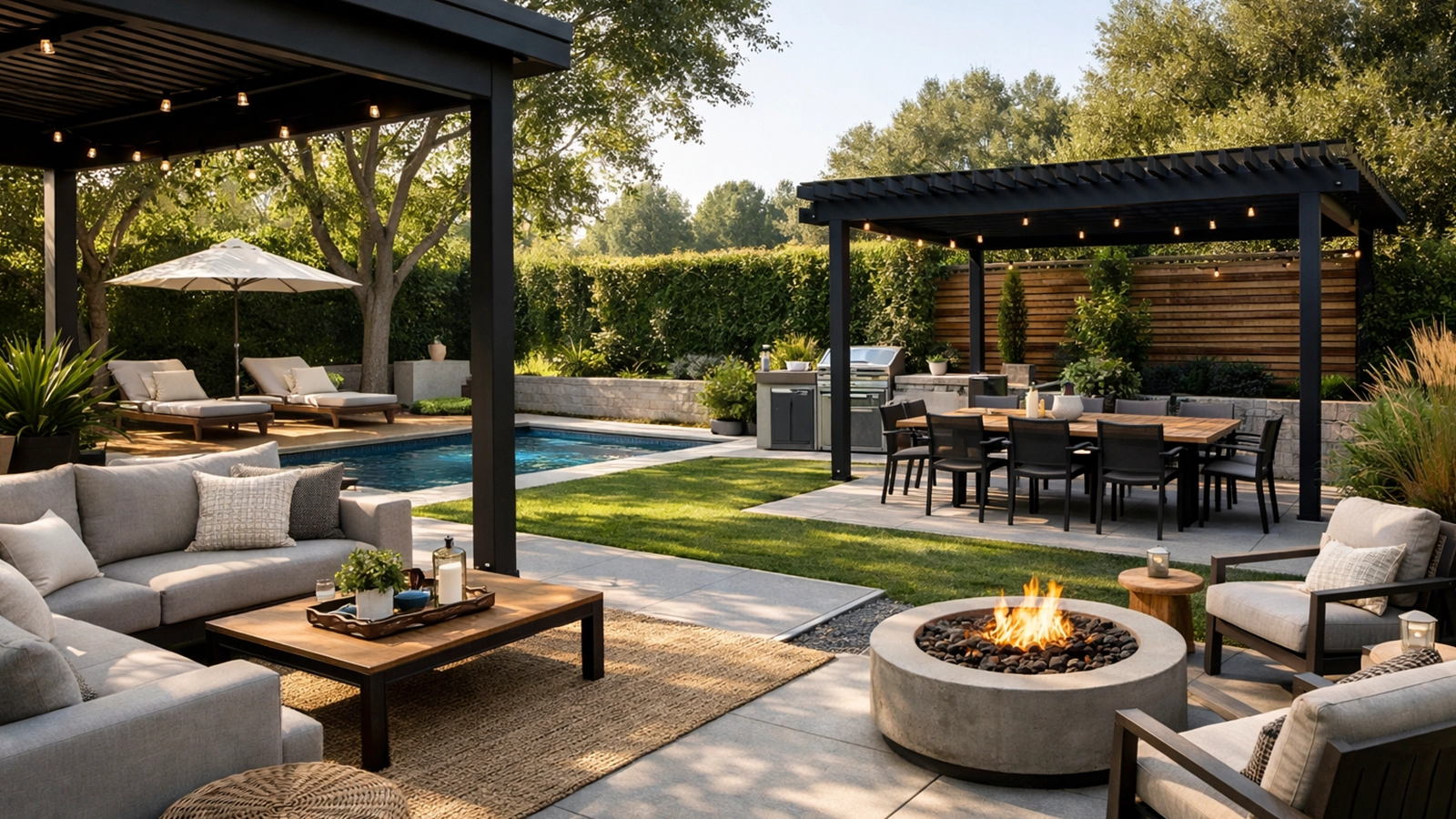
Decor should respond to layout, not override it. When furniture placement, pathways, and activity zones are well planned, decor choices become obvious and limited. The layout acts as a filter, preventing unnecessary additions.
A functional layout clarifies where decor adds value and where it does not. For example, accent pieces belong near seating or gathering areas rather than along every edge. This selective placement keeps the garden open and legible.
Many designers emphasize that decor works best when it supports how the space is used rather than how it is filled. This idea becomes especially clear when examining how thoughtful backyard layouts naturally limit decor while enhancing everyday outdoor living.
Respect Sightlines and Visual Flow
Gardens feel calmer when the eye can move smoothly through the space without constant interruption. Sightlines connect different areas visually, helping the garden feel cohesive rather than segmented. When decor blocks or distracts from these lines, the space can feel smaller and more crowded than it actually is.
Respecting sightlines means being selective about height and placement. Tall decor near boundaries can frame views, while lower elements work better in central areas. This approach preserves openness while still allowing for visual interest.
Clear sightlines also support orientation. Visitors intuitively understand where to move and where to pause, which reduces the feeling of clutter even when decor is present.
Avoid Decorating Transitional Areas
⚠️ Transitional areas such as walkways, steps, and entry points are often overdecorated out of habit. These zones already serve a functional role and benefit from simplicity. Adding decor here can interrupt flow and make the garden feel compressed.
Leaving transitions visually clean creates contrast with destination areas. This contrast makes decorated zones feel more intentional and welcoming. It also reduces the risk of visual fatigue caused by constant stimulation.
Practical benefits follow as well. Clear transitions are easier to maintain, safer to navigate, and more adaptable to changing needs. Restraint in these areas strengthens the entire design.
Use Repetition Strategically, Not Excessively
Repetition helps unify a garden, but too much of it creates monotony and clutter. Strategic repetition involves echoing shapes, colors, or materials without duplicating entire decor pieces. This keeps the design readable without becoming overwhelming.
For example, repeating a color across cushions, planters, and lighting ties the space together without adding objects. The repetition is conceptual rather than physical. This distinction is key to avoiding overcrowding.
Limiting repetition also preserves flexibility. When fewer items are repeated, it is easier to edit or update the garden without disrupting the overall balance.
Balance Decor With Seasonal Change
Gardens are dynamic environments, and decor should account for that movement. What feels balanced in summer may feel crowded in winter when plants recede. Planning for seasonal variation prevents temporary fullness from becoming permanent clutter.
Choosing decor that adapts visually across seasons helps maintain balance. Neutral tones and natural materials integrate more easily as plants change color and density. This reduces the urge to add seasonal decorations that accumulate over time.
Seasonal awareness also encourages rotation rather than addition. Swapping a few items instead of layering new ones keeps the garden feeling intentional year-round.
Apply Restraint at the Garden’s First Impression
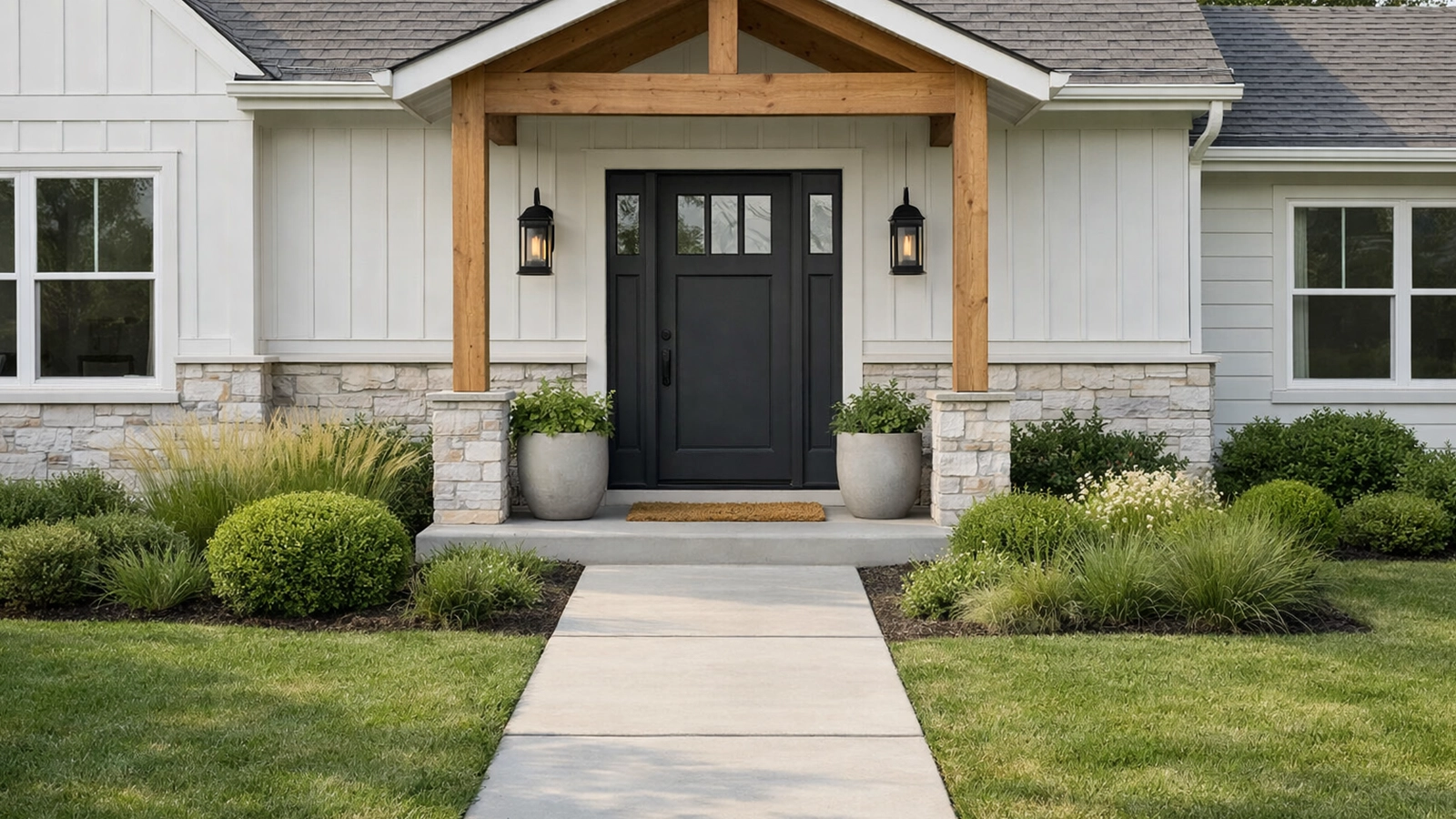
The front of the garden sets expectations for the entire property. Overdecorating this area can feel overwhelming before anyone even enters the space. Restraint here signals confidence and clarity in design.
Front gardens benefit from a limited number of strong elements. Clean lines, cohesive planting, and subtle accents create a welcoming impression without visual noise. This simplicity allows architectural and landscape features to take priority.
A restrained approach also improves long-term appeal. Timeless choices age better than trend-driven decor, ensuring the garden remains attractive over time. This balance between clarity and character is especially important when shaping a front yard that feels welcoming rather than visually crowded.
Treat Decor as a Finishing Layer, Not the Foundation
❌ Overcrowding often happens when decor is used to compensate for unclear design. Decor should refine a space that already works, not attempt to fix one that does not. Treating decor as the final layer encourages discipline and restraint.
When layout, planting, and function are resolved first, decor decisions become simpler and fewer. Each piece has a clear role rather than existing out of uncertainty. This approach results in gardens that feel composed rather than assembled.
Viewing decor as optional rather than essential shifts perspective. The garden feels complete even before accessories are added, which is the strongest safeguard against clutter.
External source: https://www.youtube.com/watch?v=rDwwim3mN1A