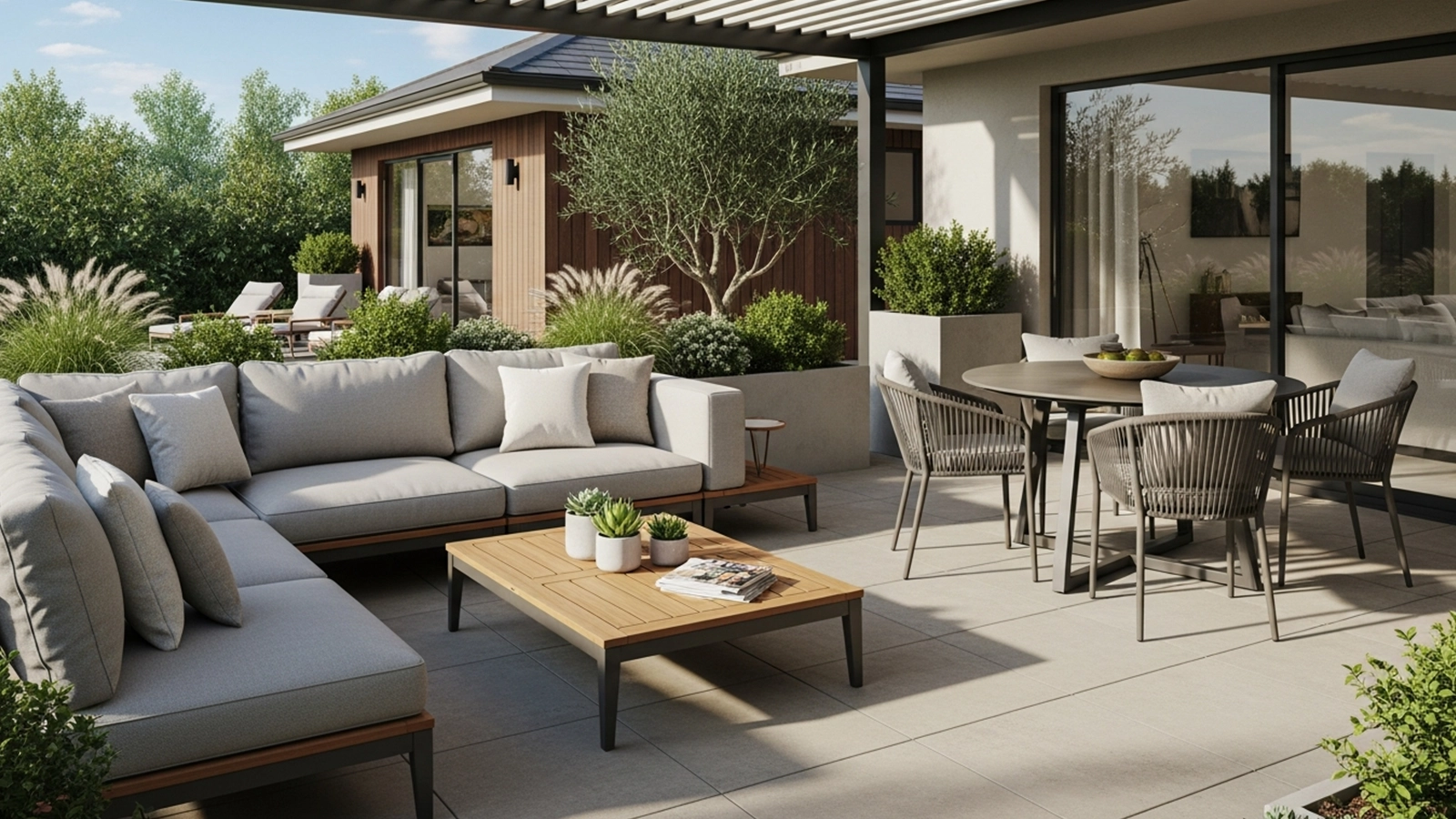
A patio that truly supports everyday life feels different from one designed only for special occasions. It invites regular use by offering comfort, ease, and a sense of belonging that blends naturally with daily routines. Instead of focusing on perfection, successful patios prioritize how people actually live outdoors.
Designing for everyday use means anticipating habits, weather changes, and moments of rest throughout the day. When comfort is treated as a functional goal rather than a decorative outcome, the patio becomes a dependable extension of the home rather than an underused outdoor feature.
A well-planned patio also supports flexibility. It adapts to morning coffee, quiet reading, family time, and relaxed evenings without requiring constant rearrangement or maintenance. This adaptability is the foundation of long-term satisfaction with an outdoor living space.
Define Everyday Comfort Before Choosing Furniture
Everyday comfort begins with clarity about how the patio will be used most often. A space meant for daily relaxation requires different decisions than one designed primarily for entertaining guests. Identifying whether the patio supports solo downtime, family gatherings, or casual meals helps prevent mismatched furniture and awkward layouts.
Comfort is not only about softness but also about posture and proportion. Seating that supports the back, allows feet to rest naturally, and accommodates different body types encourages longer, more frequent use. Furniture height, seat depth, and arm placement all influence whether people linger or leave early.
Climate also plays a role in defining comfort. In warmer regions, breathable materials and shaded zones prevent discomfort during peak heat. In cooler climates, wind protection and the ability to layer textiles make the patio usable across more seasons.
Designing with everyday comfort in mind reduces the temptation to overdecorate. Instead of filling the space with occasional-use pieces, the focus stays on fewer, better-chosen elements that perform well day after day.
Plan a Layout That Supports Natural Movement
A comfortable patio allows people to move naturally without obstacles or tight passages. Circulation paths should feel intuitive, connecting doors, seating areas, and transitions to the yard without forcing detours. When movement flows easily, the patio feels larger and more welcoming.
Layout planning benefits from thinking in zones rather than fixed arrangements. A seating zone, a walking zone, and a transition zone can overlap slightly while still maintaining clarity. This approach prevents overcrowding and supports flexible use throughout the day.
Furniture placement should respect how people enter and exit the space. Placing major seating directly in front of doorways often disrupts flow and creates congestion. Instead, angling or offsetting furniture maintains openness while preserving connection to the house.
✔️ Many homeowners find that patios feel more usable when layout decisions align with broader outdoor planning principles, as explored in this complete guide to cohesive outdoor flow and daily usability: Backyard Layout Ideas for Functional Outdoor Living.
Choose Materials That Feel Good in Daily Use
Material selection has a direct impact on how often a patio is used. Surfaces that become too hot, too slippery, or uncomfortable to touch quickly discourage daily engagement. Choosing materials that perform well under regular exposure improves both comfort and safety.
Seating materials should balance durability with tactile comfort. Wicker-style synthetics, treated wood, and powder-coated metals paired with cushions offer a reliable mix of resilience and softness. Avoid materials that require frequent adjustments or special care, as they reduce spontaneity.
Underfoot surfaces deserve equal attention. Textured stone, concrete with a light finish, or outdoor-rated pavers provide stable footing while remaining visually calm. Rugs designed for outdoor use add warmth and softness without compromising durability.
Material consistency also matters psychologically. When finishes feel cohesive and intentional, the patio reads as a complete living space rather than a temporary setup. This sense of permanence encourages everyday use.
Use Shade and Shelter to Extend Daily Comfort
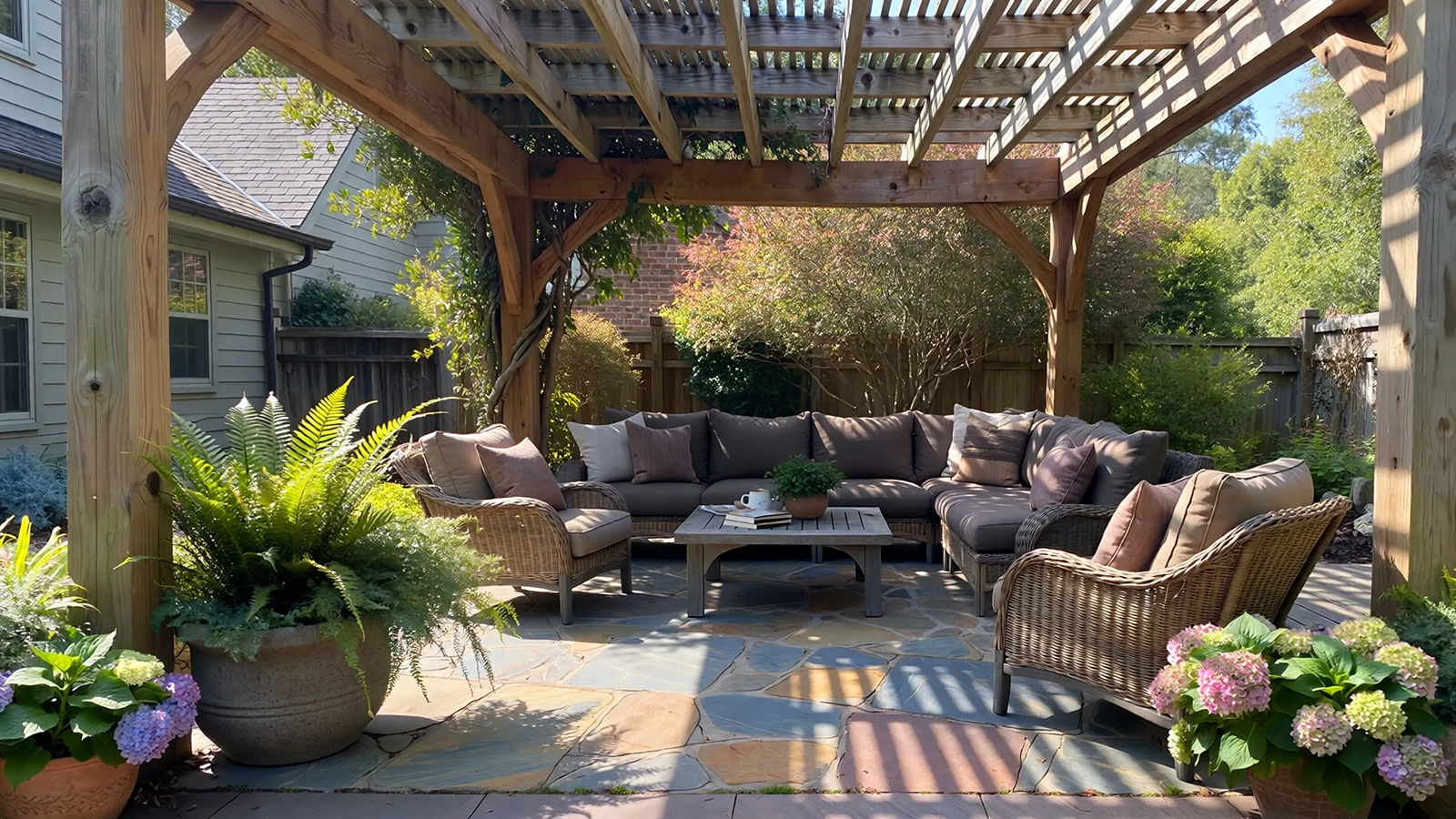
Shade is one of the most important factors in determining whether a patio is used daily or avoided. Direct sun exposure can quickly make even the most comfortable furniture unusable during large portions of the day. Incorporating shade structures transforms the patio into a reliable retreat.
Permanent solutions such as pergolas or roof extensions offer consistent protection and define the space visually. Adjustable options like umbrellas or retractable awnings add flexibility, allowing sunlight when desired and shelter when needed. The best choice depends on climate, orientation, and how often the patio is used.
Shelter also protects furniture and finishes, extending their lifespan and reducing maintenance demands. This practical benefit supports long-term comfort by keeping the space ready for use without constant preparation.
⚠️ Wind exposure should not be overlooked. Partial walls, planters, or strategically placed screens reduce drafts and create a calmer environment, especially in open yards.
Incorporate Lighting That Supports Evening Relaxation
Lighting plays a critical role in how welcoming a patio feels after sunset. Overly bright or harsh lighting disrupts relaxation, while insufficient lighting limits usability. A balanced approach supports both safety and atmosphere.
Layered lighting works best for everyday use. Soft ambient lighting establishes overall visibility, while localized task lighting supports reading or dining. Accent lighting highlights textures and edges, subtly guiding movement without overwhelming the senses.
Warm light temperatures create a sense of comfort and continuity with indoor spaces. Cool lighting often feels utilitarian and can make the patio feel detached from the home. Choosing fixtures designed for outdoor conditions ensures reliability and longevity.
💡 Thoughtful lighting encourages spontaneous evening use, turning the patio into a natural destination rather than an afterthought once daylight fades.
Design for Low Effort, Not Occasional Perfection
A patio designed for everyday use should require minimal effort to enjoy. Complex arrangements, delicate décor, or high-maintenance features often lead to avoidance rather than appreciation. Simplicity supports consistency.
Storage solutions help maintain comfort by keeping essentials within reach. Outdoor-rated storage benches or cabinets allow cushions, throws, and accessories to be accessed easily without cluttering the space. This convenience encourages use across changing conditions.
Durable fabrics and finishes reduce the mental burden of upkeep. When homeowners are not worried about spills, weather, or wear, they engage with the space more freely. This sense of ease defines true everyday comfort.
🐾 Considering pets and family routines also improves daily usability. Materials that handle paw traffic, playful movement, and casual use ensure the patio supports real life rather than resisting it.
Create Seating That Encourages Long, Relaxed Use
Everyday patios succeed when seating invites people to stay rather than perch briefly. Chairs and sofas designed for extended sitting reduce pressure points and support natural posture, which is essential for reading, conversation, or quiet downtime. Deep seats paired with supportive back cushions strike a balance between lounge comfort and upright usability.
The arrangement of seating also influences how long people remain outdoors. Facing chairs slightly toward each other encourages conversation without forcing eye contact, while allowing views toward the yard or garden prevents the space from feeling enclosed. This balance supports both social and solitary moments.
Materials matter just as much as form. Fabrics that remain comfortable in fluctuating temperatures prevent the common problem of seating that feels cold in the morning and overheated by afternoon. Choosing cushions that retain shape over time avoids the need for frequent replacement and adjustment.
✔️ A thoughtful seating strategy reduces the impulse to move indoors when comfort drops, reinforcing the patio as a true daily living area rather than a temporary stop.
Balance Softness and Structure in Outdoor Furnishings
Comfortable patios rely on a careful mix of softness and structure. Too much softness can feel unstable and impractical, while overly rigid furnishings discourage relaxation. The most successful designs blend firm frames with forgiving surfaces that adapt to the body.
Structural integrity ensures furniture remains usable through repeated movement and varied weather conditions. Well-built frames prevent wobbling and shifting, which subtly undermines comfort over time. Stability contributes to a sense of safety, especially for families and older users.
Soft elements such as cushions, throws, and upholstered panels introduce warmth and tactile comfort. These components should be easy to clean and quick to dry, supporting spontaneous use without concern. Removable covers simplify maintenance while extending the lifespan of the furnishings.
The interplay between structure and softness also affects visual comfort. A patio that looks balanced feels calmer and more inviting, encouraging regular use even when time outdoors is limited.
Connect the Patio Seamlessly to the Home
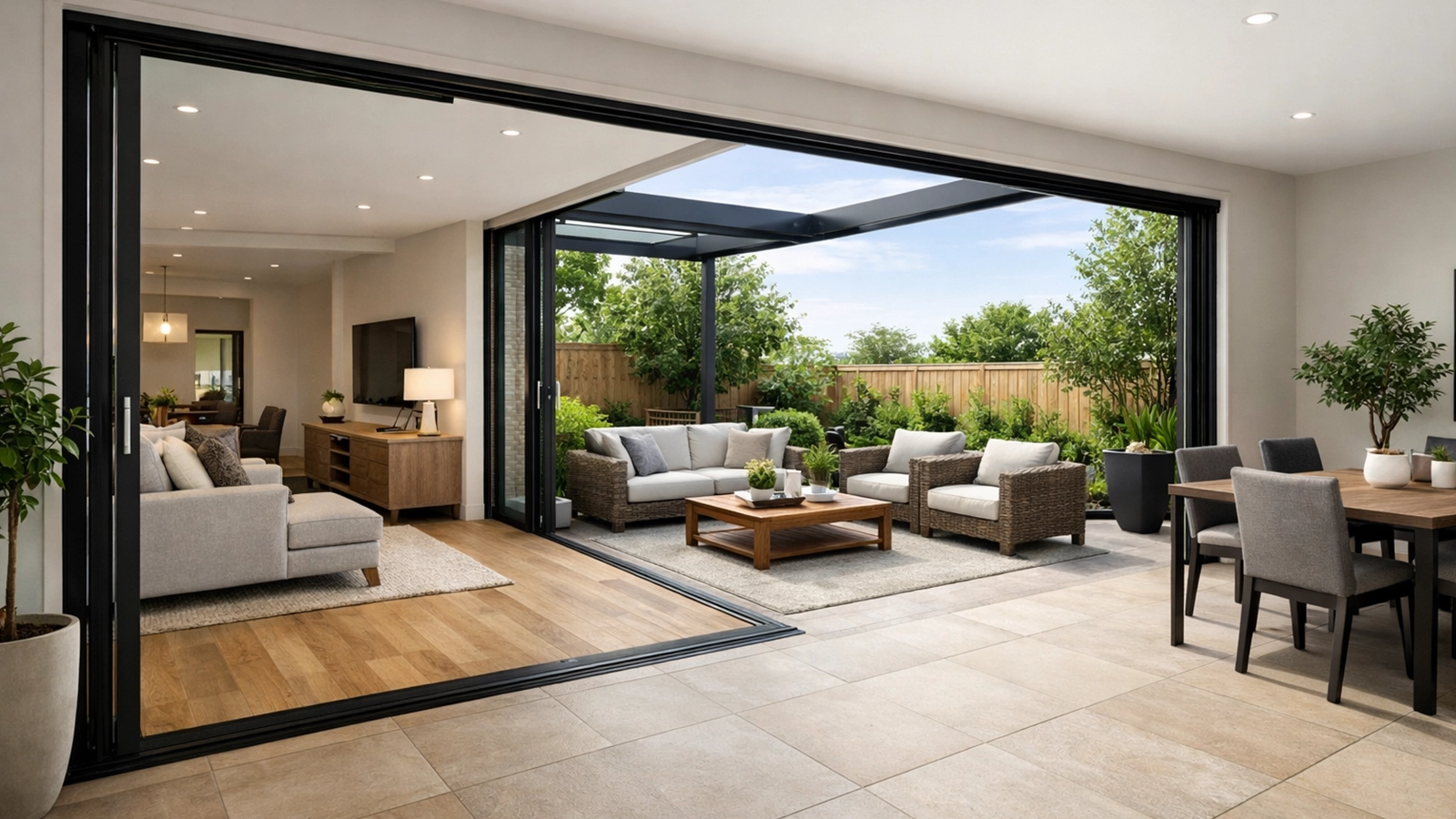
A patio designed for everyday use should feel like a natural continuation of the home rather than a separate destination. Visual alignment between indoor and outdoor spaces reduces the psychological barrier to stepping outside. When materials, colors, and proportions relate to the interior, the transition feels effortless.
Door placement and width influence how often the patio is accessed. Wide openings invite casual movement and allow furniture layouts that do not block circulation. Narrow or obstructed access points subtly discourage frequent use, even if the patio itself is comfortable.
Flooring transitions also affect perception. Slight continuity in tone or texture between indoor floors and patio surfaces strengthens the sense of connection without requiring identical materials. This visual flow supports daily routines that move naturally between inside and outside.
Add Functional Surfaces Without Clutter
Everyday patios benefit from having surfaces that support real activities. Side tables, coffee tables, and ledges provide places for drinks, books, and small items, reducing the need to carry objects back and forth. When surfaces are lacking, comfort drops quickly.
The key is restraint. Too many tables create visual and physical clutter, interrupting movement and making the space feel cramped. Choosing fewer, well-sized surfaces maintains openness while meeting practical needs.
Multi-functional pieces add flexibility. Tables that double as storage or ottomans that serve as footrests increase usability without expanding the furniture footprint. These elements support changing activities throughout the day.
Placement should respond to seating patterns rather than symmetry. Surfaces positioned within easy reach encourage relaxed use and reduce strain, reinforcing the patio’s role as a comfortable daily environment.
Use Textiles to Adjust Comfort Across Seasons
Textiles allow patios to adapt to changing conditions without structural changes. Lightweight throws, outdoor pillows, and layered fabrics add warmth during cooler periods and can be removed easily in warmer weather. This adaptability extends the usable season of the patio.
Fabric choice influences both comfort and durability. Outdoor-rated textiles resist fading and moisture while maintaining a soft feel. Neutral tones with subtle texture integrate easily with surrounding materials and reduce visual fatigue.
Textiles also absorb sound, contributing to a calmer atmosphere. In busy neighborhoods, soft surfaces help dampen noise, making the patio feel more private and restful. This acoustic comfort supports longer stays outdoors.
❌ Overloading the space with decorative textiles can reduce practicality. Limiting additions to what genuinely improves comfort keeps the patio functional rather than ornamental.
Support Everyday Use With Thoughtful Boundaries
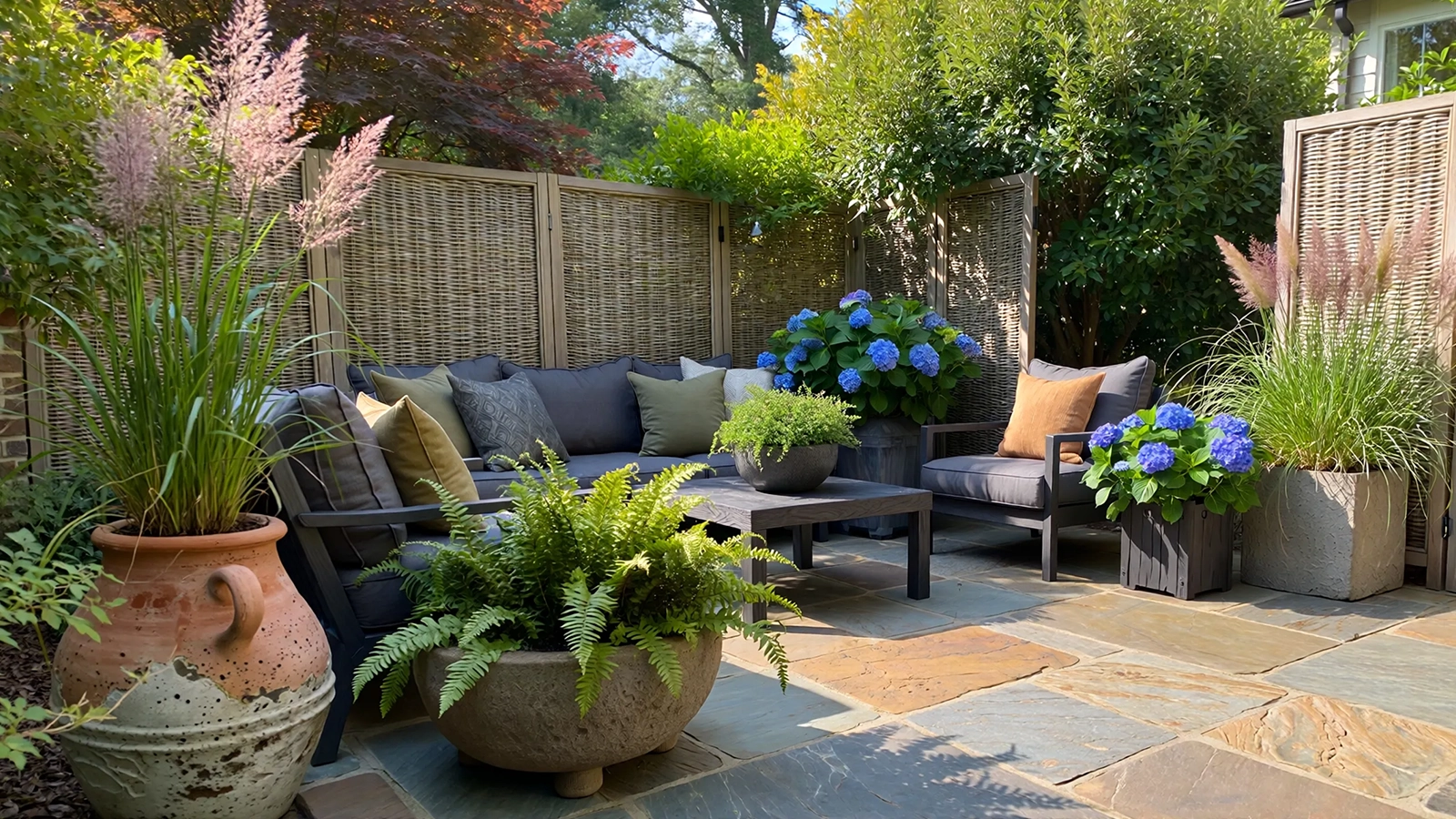
Boundaries define comfort by shaping how protected a patio feels. Complete enclosure is rarely necessary for everyday use, but subtle separation from neighboring spaces enhances relaxation. Visual boundaries create a sense of ownership without isolation.
Planters, low walls, and screens establish edges while maintaining openness. These elements guide movement and frame views, making the patio feel intentional rather than exposed. Living boundaries also introduce greenery, which softens hard surfaces and improves microclimate comfort.
Boundaries influence behavior as well. When a patio feels visually contained, people are more likely to relax, converse, or linger without feeling observed. This psychological comfort is as important as physical comfort in daily use.
🐾 Thoughtful boundaries also support family and pet routines by subtly directing movement and creating safe zones without rigid barriers.
Design for Climate Comfort Throughout the Day
A patio intended for everyday use must respond to changing weather conditions rather than assume ideal moments. Temperature shifts, sun angles, humidity, and wind patterns all influence whether the space feels welcoming or avoided. Designing with these variables in mind allows the patio to remain usable across a wider range of hours and seasons.
Microclimate awareness starts with observation. Morning sun may feel pleasant while afternoon exposure becomes overwhelming, especially in open yards. Orienting seating to take advantage of shade at peak hours improves comfort without mechanical intervention.
Heat management also involves material choice and airflow. Surfaces that retain excessive heat can make the patio uncomfortable long after sunset. Allowing air to move freely through the space, rather than blocking it entirely, helps regulate temperature naturally.
✔️ When climate comfort is prioritized early, daily outdoor use becomes predictable rather than dependent on perfect weather.
Keep Maintenance Demands Intentionally Low
Everyday patios fail most often due to maintenance fatigue rather than design flaws. Spaces that require constant cleaning, repositioning, or protection quickly lose their appeal. Reducing upkeep demands ensures the patio remains ready for use without preparation.
Low-maintenance materials and finishes support this goal. Furniture that tolerates exposure, surfaces that resist staining, and fabrics that clean easily all reduce friction. When care routines are simple, homeowners are more likely to use the space spontaneously.
Design decisions should also anticipate debris and wear. Leaf fall, dust, and pollen are unavoidable in outdoor environments. Choosing layouts that allow easy sweeping or rinsing prevents small issues from becoming deterrents.
⚠️ Overly delicate décor often creates anxiety rather than enjoyment. Prioritizing resilience over refinement supports consistent, stress-free use.
Incorporate Storage That Protects Comfort Elements
Comfort depends not only on what is present but also on how easily it can be accessed. Storage solutions play a critical role in supporting everyday use by protecting cushions, throws, and accessories when not in use. Without storage, comfort elements become clutter or are removed entirely.
Integrated storage maintains visual calm. Benches with concealed compartments or weather-resistant cabinets keep essentials nearby without dominating the space. This convenience encourages adaptation to changing conditions throughout the day.
Protection is equally important. Proper storage extends the lifespan of soft goods by shielding them from moisture and prolonged sun exposure. This preservation reduces replacement costs and ensures consistent comfort.
Thoughtful storage design also supports routines. When items have a clear place, setup and cleanup become effortless, reinforcing the patio’s role as an easy extension of daily life.
Use Planting to Improve Comfort, Not Just Appearance
Plants contribute far more than decoration in a functional patio. They influence temperature, privacy, sound, and mood, all of which affect daily comfort. When selected and placed strategically, planting becomes an active design element rather than a visual afterthought.
Shaded planting areas help cool surrounding surfaces and air. Taller plants or small trees can block low-angle sun without fully enclosing the space. This natural shading adapts over time and feels less rigid than built structures.
Plants also soften acoustics and visual boundaries. Foliage absorbs sound and reduces the feeling of exposure in open settings. This sensory buffering makes the patio feel calmer and more inviting during regular use.
💡 Choosing plants suited to local conditions minimizes maintenance while ensuring consistent performance, aligning beauty with practicality.
Align the Patio With the Home’s Overall Outdoor Presence
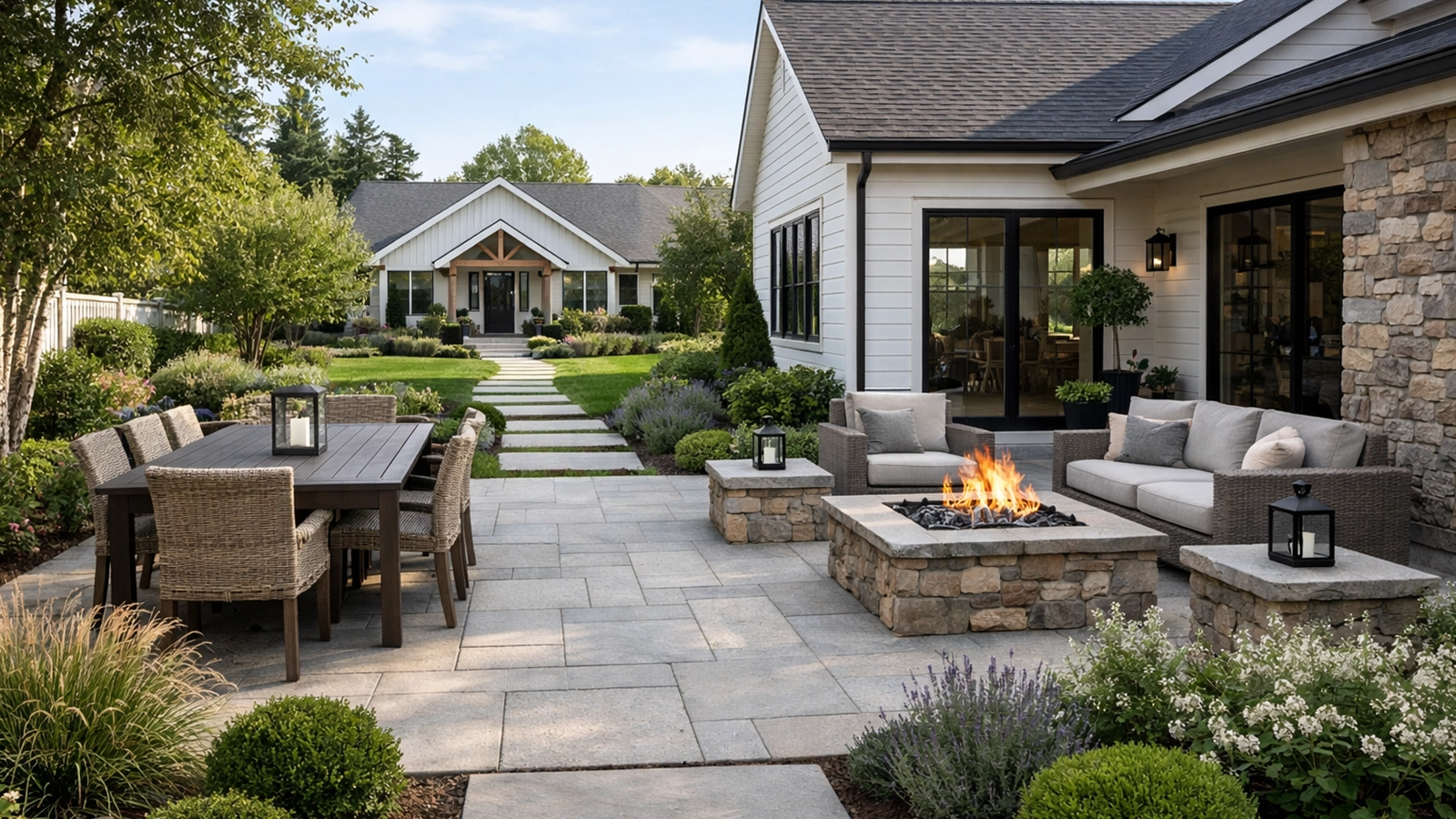
A comfortable patio does not exist in isolation. Its success is influenced by how it relates to the rest of the property, including the front yard and visible outdoor areas. Visual and material continuity reinforces a sense of cohesion that enhances daily enjoyment.
When outdoor spaces feel unified, homeowners are more likely to use them interchangeably. A patio that reflects the same design language as the home’s approach creates confidence and pride in the overall environment. This alignment subtly elevates everyday experiences.
Practical benefits follow aesthetic consistency. Shared materials and finishes simplify maintenance and repairs across outdoor areas. Familiarity also reduces decision fatigue when updating or expanding the landscape.
✔️ Many homeowners find that everyday patio comfort improves when it complements the home’s outward presence, a relationship explored further in thoughtful approaches to Front Yard Landscaping Ideas That Improve Curb Appeal.
Let Everyday Behavior Guide Final Adjustments
The most refined patio designs still require real-world testing. Observing how the space is actually used reveals opportunities for adjustment that no plan can predict. Everyday behavior provides the most honest feedback.
Noticing where people naturally sit, avoid, or linger informs small but meaningful changes. A chair that is rarely used may need repositioning, shade, or a nearby surface. These refinements improve comfort incrementally without major redesign.
Flexibility supports long-term satisfaction. Allowing the patio to evolve with routines, seasons, and household changes ensures it remains relevant. This adaptability is essential for spaces intended for daily use.
🐾 Designing with real life in mind, including pets, family habits, and quiet moments, ensures the patio remains a lived-in space rather than a static display.
External source: https://fullhomeredo.com