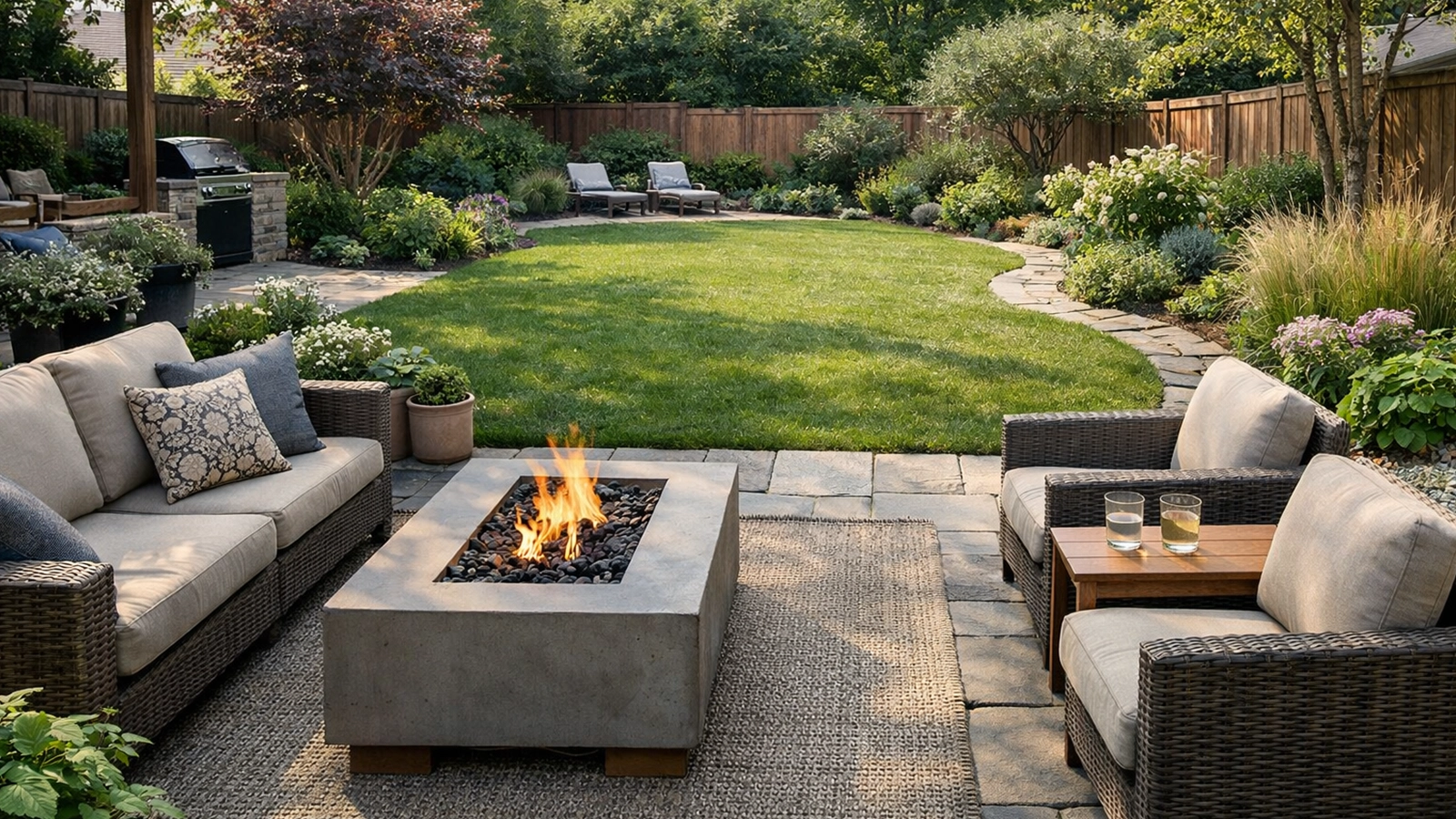
Designing a backyard for everyday use requires a shift in mindset from occasional entertaining to daily living. The most successful outdoor spaces function as natural extensions of the home, supporting routines rather than disrupting them. Comfort, durability, and flexibility become more important than decorative excess.
A practical backyard should feel intuitive to move through and easy to maintain over time. When outdoor areas are designed with real habits in mind, they are used more frequently and with greater satisfaction. Everyday usability also helps the space adapt smoothly as household needs change.
Rather than focusing on a single focal feature, everyday backyard design prioritizes balance. Each element must justify its presence by offering comfort, access, or purpose. This approach reduces visual clutter while increasing long-term enjoyment.
Understanding How Your Backyard Is Actually Used
✔️ The foundation of an everyday backyard begins with observing real behavior instead of imagined scenarios. Many homeowners overestimate how often they host large gatherings and underestimate daily activities such as morning coffee, pet play, or quiet evening breaks. Designing for realistic patterns ensures that the space remains useful rather than aspirational.
A deep understanding of usage also helps define scale. Seating areas that feel generous for two people but overwhelming for one often go unused, while overly compact layouts can feel restrictive. Measuring how people move, pause, and interact outdoors leads to layouts that feel natural rather than staged.
Daily use also varies seasonally, which affects how spaces should be arranged. A backyard that supports quick access during colder months benefits from closer proximity to the house, while summer use may extend deeper into the yard. Accounting for these shifts early prevents redesign later.
Zoning the Backyard Without Overcomplicating the Layout
Clear zoning allows multiple activities to coexist without conflict, even in modest-sized yards. Everyday design benefits from subtle separation rather than rigid boundaries. Changes in surface material, furniture orientation, or plant density can define zones without walls or fencing.
Functional zones typically include circulation paths, seating, open movement space, and utility areas. The key is ensuring these zones support each other rather than compete for attention. For example, placing seating where foot traffic naturally slows improves comfort and reduces wear on surrounding plants.
Over-zoning is a common mistake that fragments the yard. When too many small areas are introduced, none feel substantial enough to invite use. Fewer, well-proportioned zones are easier to maintain and adapt over time.
Choosing Surfaces That Support Daily Wear
Surface materials play a critical role in everyday comfort and maintenance. Lawns may look inviting, but heavy daily foot traffic can quickly degrade them. Incorporating hardscapes such as pavers, gravel, or decking reduces upkeep while improving accessibility.
Material choice also affects safety and usability in different weather conditions. Slip resistance, heat retention, and drainage all influence how often the backyard is used. Selecting surfaces that remain comfortable after rain or during peak sun hours extends usability without added effort.
Transitions between surfaces should feel smooth rather than abrupt. Gradual shifts help the space feel cohesive and reduce tripping hazards. Thoughtful surface planning often determines whether a backyard feels effortless or frustrating over time.
Designing Seating Areas for Real Comfort
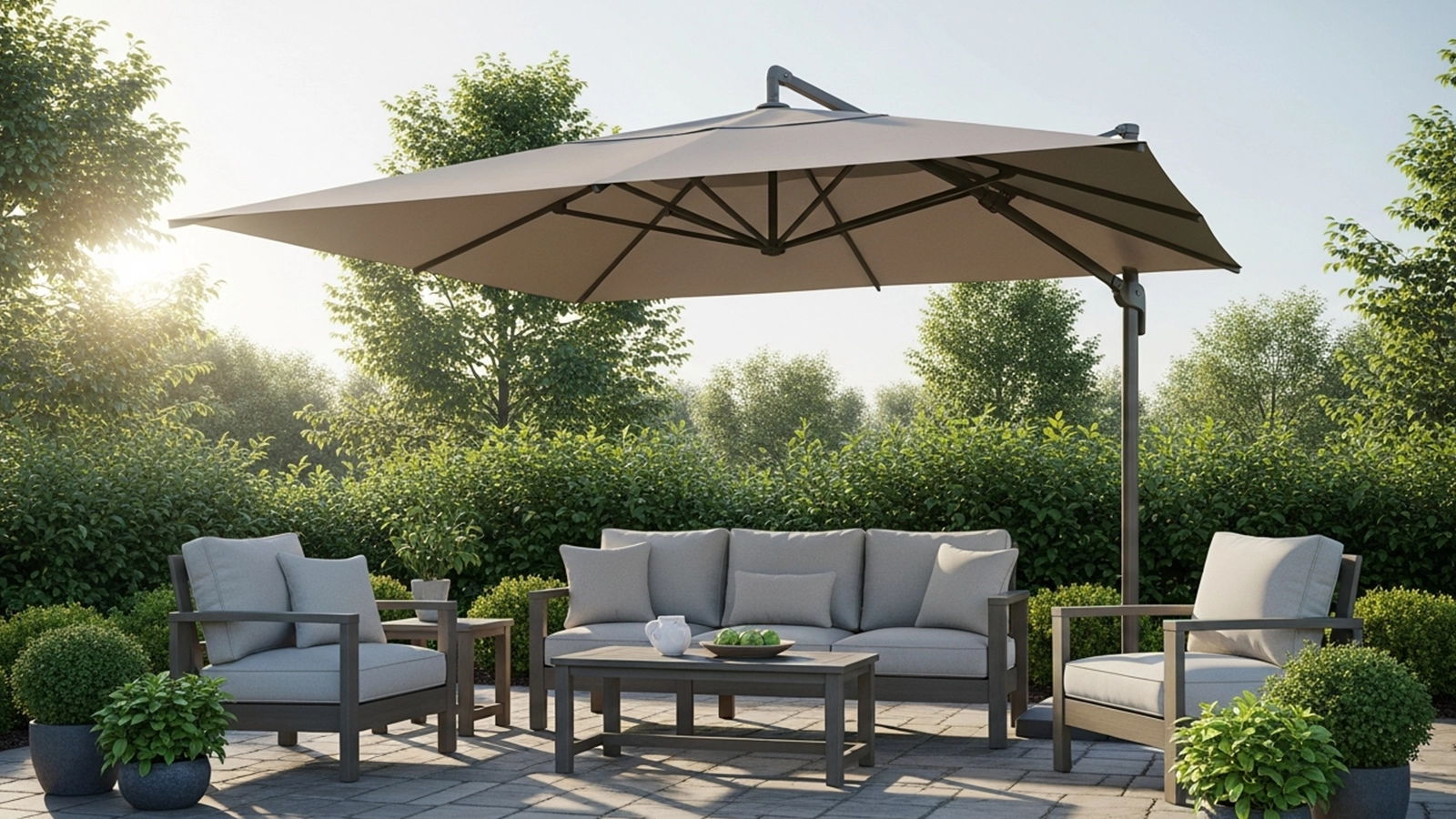
Seating is often the most underutilized element in backyards because it is designed for appearance rather than comfort. Everyday use requires furniture that supports relaxed posture and easy access. Chairs that are lightweight, weather-resistant, and properly scaled encourage spontaneous use.
Placement matters as much as furniture quality. Seating should align with natural sightlines and avoid exposure to harsh wind or direct sun for long periods. When seating feels protected and inviting, people naturally spend more time outdoors without planning.
Flexibility adds long-term value to seating areas. Movable chairs or modular benches allow the space to adapt to different daily needs. This adaptability supports everything from solitary relaxation to casual conversation without redesign.
Planning Circulation for Natural Movement
Daily backyard use depends heavily on how easily people can move through the space. Paths should follow natural walking patterns rather than force detours around decorative elements. Direct routes between the house, seating, and utility areas reduce friction and increase use.
Circulation planning also supports accessibility for all ages. Smooth, wide paths make it easier to carry items, supervise pets, or navigate with limited mobility. These considerations improve safety while making the backyard more inclusive.
Good circulation design often goes unnoticed, which is a sign of success. When movement feels effortless, users focus on enjoyment rather than navigation. This invisible comfort is a hallmark of effective everyday design.
Balancing Open Space With Functional Structure
Open space is essential for everyday flexibility, especially for households with pets or children. However, too much openness can feel undefined and underutilized. Strategic structure gives purpose to open areas without restricting movement.
Low-profile elements such as edging, planters, or subtle elevation changes help define space while preserving openness. These features guide activity and protect high-use areas from wear. They also contribute to visual order without clutter.
Understanding how open space connects to other zones improves overall flow. When open areas feel intentionally integrated rather than leftover, they become central to daily use. This balance supports both active and passive outdoor experiences.
Selecting Plants That Support Daily Use
Plants in an everyday backyard must tolerate interaction, not just observation. High-traffic areas benefit from resilient ground covers, shrubs with flexible branching, and trees that do not shed excessively. Choosing plants for durability reduces frustration and keeps the space functional throughout the year.
Maintenance requirements should always factor into plant selection. Species that demand frequent pruning, watering, or seasonal replacement can quickly turn a relaxing space into a burden. Low-maintenance plants free up time while ensuring the backyard remains visually stable.
Plant placement also affects usability. Locating softer plantings along edges and keeping central areas clear helps preserve movement and visibility. This strategy maintains openness while still providing greenery and seasonal interest.
Designing With Pets in Mind
🐾 Backyards used daily often double as shared spaces for people and pets. Designing with animals in mind prevents damage while improving safety and comfort for everyone. Durable turf alternatives, reinforced paths, and shaded rest areas all support healthy pet routines.
Pet-friendly design also considers boundaries and sightlines. Clear edges reduce digging and wandering, while open views help owners supervise without hovering. These design choices reduce stress and improve harmony between pets and landscape elements.
Drainage and cleanliness matter more in pet-active yards. Materials that rinse easily and resist odor buildup simplify maintenance. When pet needs are integrated from the start, the backyard remains enjoyable rather than compromised.
Creating Shade and Weather Protection
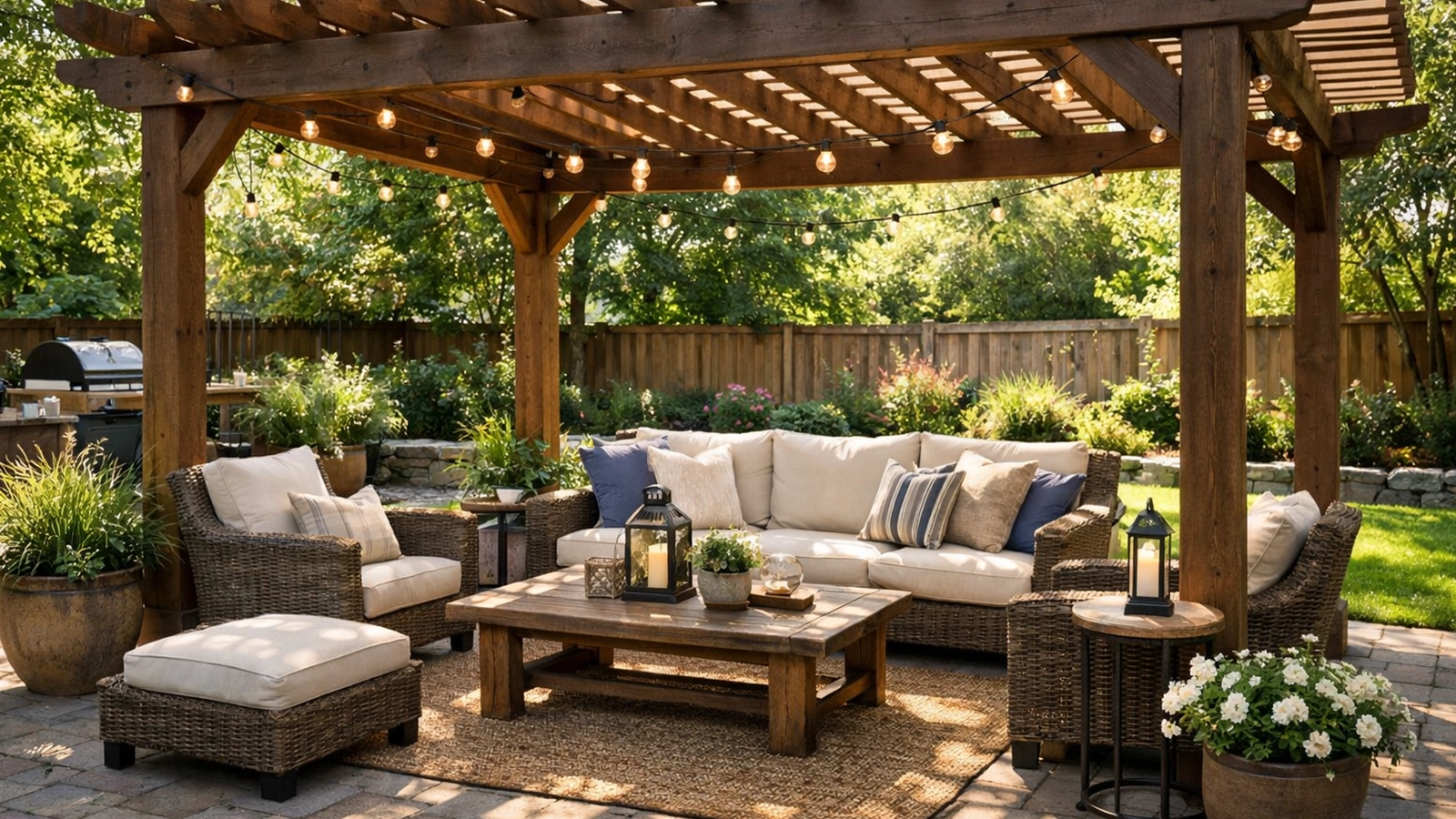
Shade is one of the most critical factors influencing daily backyard use. Without protection from sun or light rain, outdoor spaces are used less frequently and for shorter periods. Integrating shade structures extends comfort across seasons.
Permanent options like pergolas or roof extensions provide consistent coverage and visual structure. These features anchor seating areas and reduce glare, making them ideal for daily relaxation or meals. Their durability also supports long-term use without frequent adjustment.
Natural shade from trees or tall plantings adds softness and cooling benefits. Strategic placement allows shade to shift throughout the day while preserving light where needed. Combining built and natural shade creates flexibility without overbuilding.
Managing Lighting for Safety and Atmosphere
Lighting transforms how a backyard functions after sunset. Everyday use requires illumination that supports movement, visibility, and security without overwhelming the senses. Soft, layered lighting encourages evening use while maintaining a calm atmosphere.
Path lighting improves safety and defines circulation routes. When placed correctly, it reduces tripping hazards and guides movement without drawing attention. This subtle guidance makes nighttime use feel intuitive.
Task lighting near seating or work areas supports reading, dining, or pet care after dark. Balanced lighting ensures the backyard remains usable beyond daylight hours. Thoughtful lighting design extends daily use rather than limiting it to certain times.
Integrating Storage Without Visual Clutter
Daily outdoor use often requires access to tools, cushions, toys, or pet supplies. Without proper storage, these items quickly disrupt visual order. Integrated storage solutions preserve functionality while maintaining a clean appearance.
Built-in benches, concealed cabinets, or vertical storage walls keep essentials accessible but hidden. These elements work best when placed near points of use rather than tucked away. Convenience encourages consistent use and tidiness.
Material choice matters for outdoor storage longevity. Weather-resistant finishes protect contents while reducing maintenance demands. Well-designed storage supports daily routines instead of creating new challenges.
Connecting Backyard Design to the Home’s Overall Flow
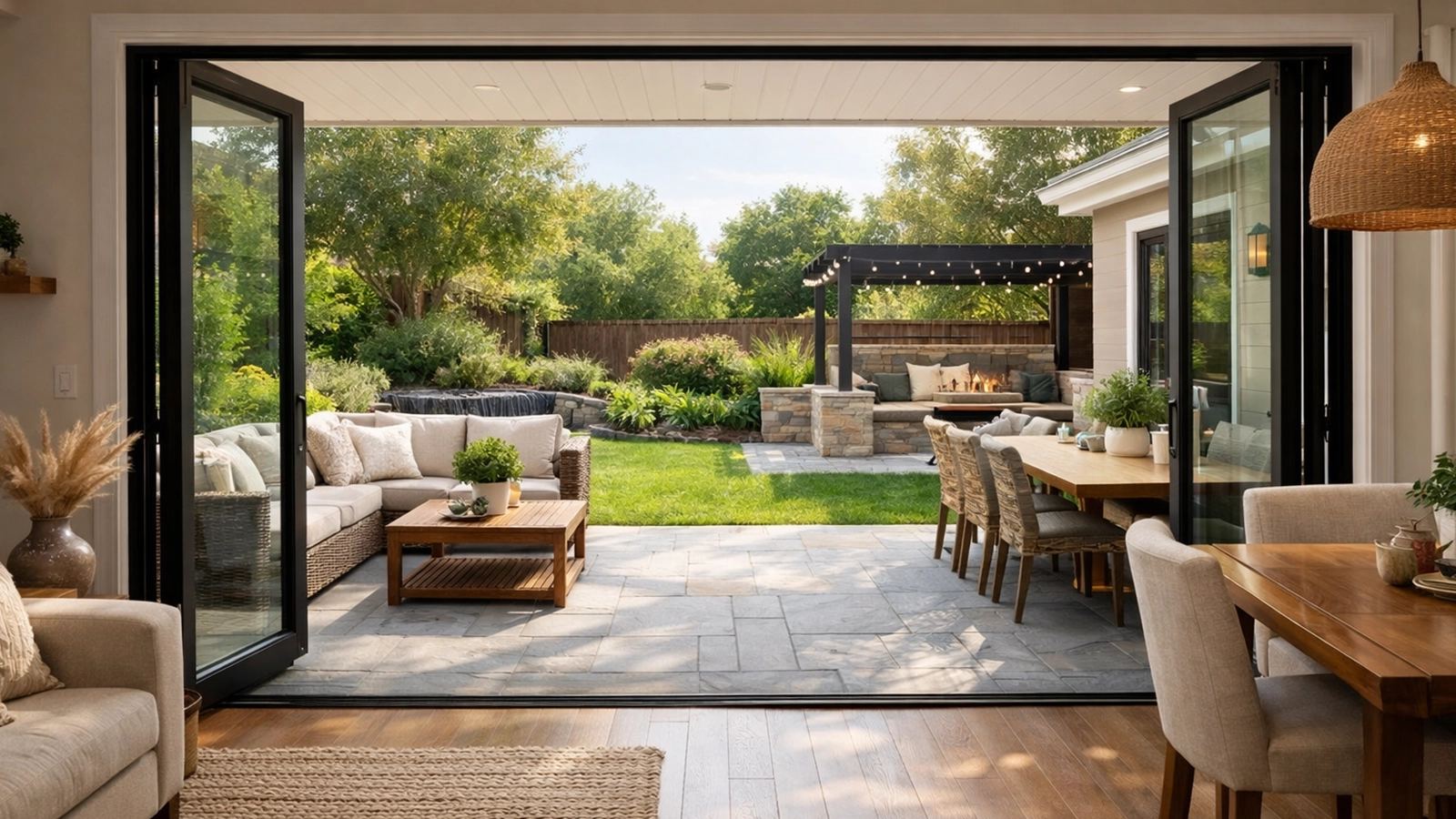
An everyday backyard should feel like a continuation of the home, not a separate destination. Visual and physical continuity improves comfort and encourages frequent use. Matching materials, colors, or architectural lines strengthens this connection.
Door placement and access points influence how often the backyard is used. Convenient entry encourages spontaneous use, while awkward transitions create hesitation. Aligning major backyard features with indoor activity zones improves flow.
When outdoor spaces mirror indoor priorities, they feel essential rather than optional. This alignment supports daily habits and long-term satisfaction. A cohesive approach reinforces the backyard’s role as part of everyday life.
Choosing Furniture That Encourages Daily Use
Furniture intended for everyday backyard use must prioritize comfort, resilience, and ease of movement. Oversized or delicate pieces often look appealing but discourage frequent interaction due to weight, fragility, or maintenance concerns. Practical furniture supports spontaneous use without preparation or adjustment.
Material selection plays a major role in longevity. Powder-coated metals, treated wood, and high-quality outdoor fabrics resist fading and moisture damage over time. These materials allow furniture to remain outdoors without constant protection, making daily use effortless.
Scale also influences how often furniture is used. Pieces that fit the proportions of the yard feel approachable rather than imposing. When furniture blends naturally into the space, it becomes part of daily routines instead of reserved for special occasions.
Managing Maintenance to Protect Daily Enjoyment
⚠️ Everyday backyards succeed when maintenance demands remain predictable and manageable. High-maintenance features may look impressive initially but often lead to reduced use as upkeep becomes burdensome. Simplifying maintenance preserves enjoyment and consistency.
Design decisions such as limiting lawn size, choosing perennial plantings, and using durable surfaces reduce weekly workload. Automated irrigation or smart lighting further minimizes manual effort. These systems support reliability without constant attention.
Maintenance-friendly design also improves long-term resilience. Spaces that tolerate neglect during busy periods recover more easily. This forgiveness ensures the backyard remains welcoming even when life becomes demanding.
Supporting Privacy Without Isolation
Privacy enhances comfort, but excessive enclosure can make a backyard feel disconnected. Everyday design benefits from partial screening that balances openness with seclusion. This balance encourages relaxation while maintaining visual connection to the surroundings.
Layered plantings, lattice panels, or offset fencing create privacy without creating visual barriers. These solutions soften boundaries and allow airflow and light. They also adapt more easily as needs change.
Privacy should be concentrated where it matters most, such as seating or dining areas. Preserving openness elsewhere maintains spaciousness and flexibility. Thoughtful privacy design supports daily comfort rather than restricting use.
Planning for Flexibility Over Time
Household needs rarely remain static, and everyday backyards must adapt accordingly. Designing with flexibility allows the space to evolve without major reconstruction. Movable elements and multipurpose zones support changing routines.
Open areas that can transition between play, exercise, or relaxation remain valuable longer. Avoiding overly specialized features preserves adaptability. This foresight reduces the need for frequent redesigns.
Flexibility also supports seasonal variation. Furniture that stores easily or zones that shift purpose throughout the year extend usefulness. A flexible backyard continues serving daily life as priorities change.
Designing Outdoor Utilities for Everyday Convenience
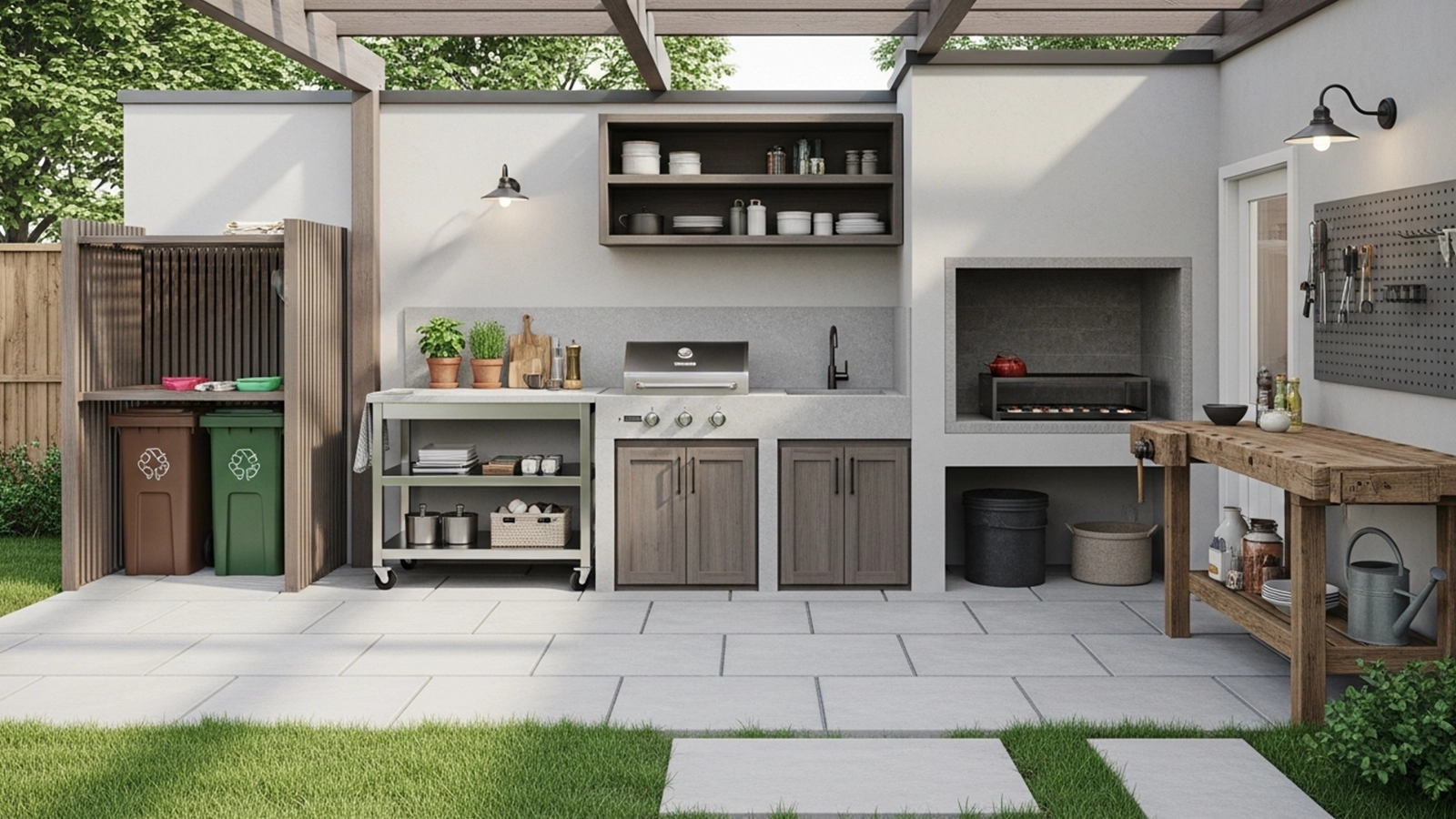
Utilities such as water access, power outlets, or simple cooking areas significantly increase daily usability. These features reduce trips indoors and support routine activities. Even modest utility integration enhances convenience.
Outdoor sinks, hose connections, or electrical access support cleaning, gardening, and entertainment. Their placement should align with primary activity zones to maximize usefulness. When utilities are easy to reach, they are used more often.
Utility features should remain visually discreet. Concealed connections or integrated cabinetry prevent clutter. Thoughtful design ensures practicality without sacrificing aesthetics.
Creating Emotional Comfort Through Simplicity
💡 Everyday backyards succeed not only through function but also through emotional ease. Overdesigned spaces can feel intimidating or restrictive. Simplicity encourages relaxed, unplanned use.
A restrained palette of materials and colors creates visual calm. This consistency helps the backyard feel familiar and comforting rather than demanding attention. Emotional comfort supports longer, more frequent use.
Design choices that reduce decision-making also improve experience. When spaces feel intuitive, people engage naturally. Emotional comfort transforms the backyard into a dependable retreat rather than a curated display.
External source: https://stylebyemilyhenderson.com/showemyourdiy-10-doable-diy-backyard-design-ideas