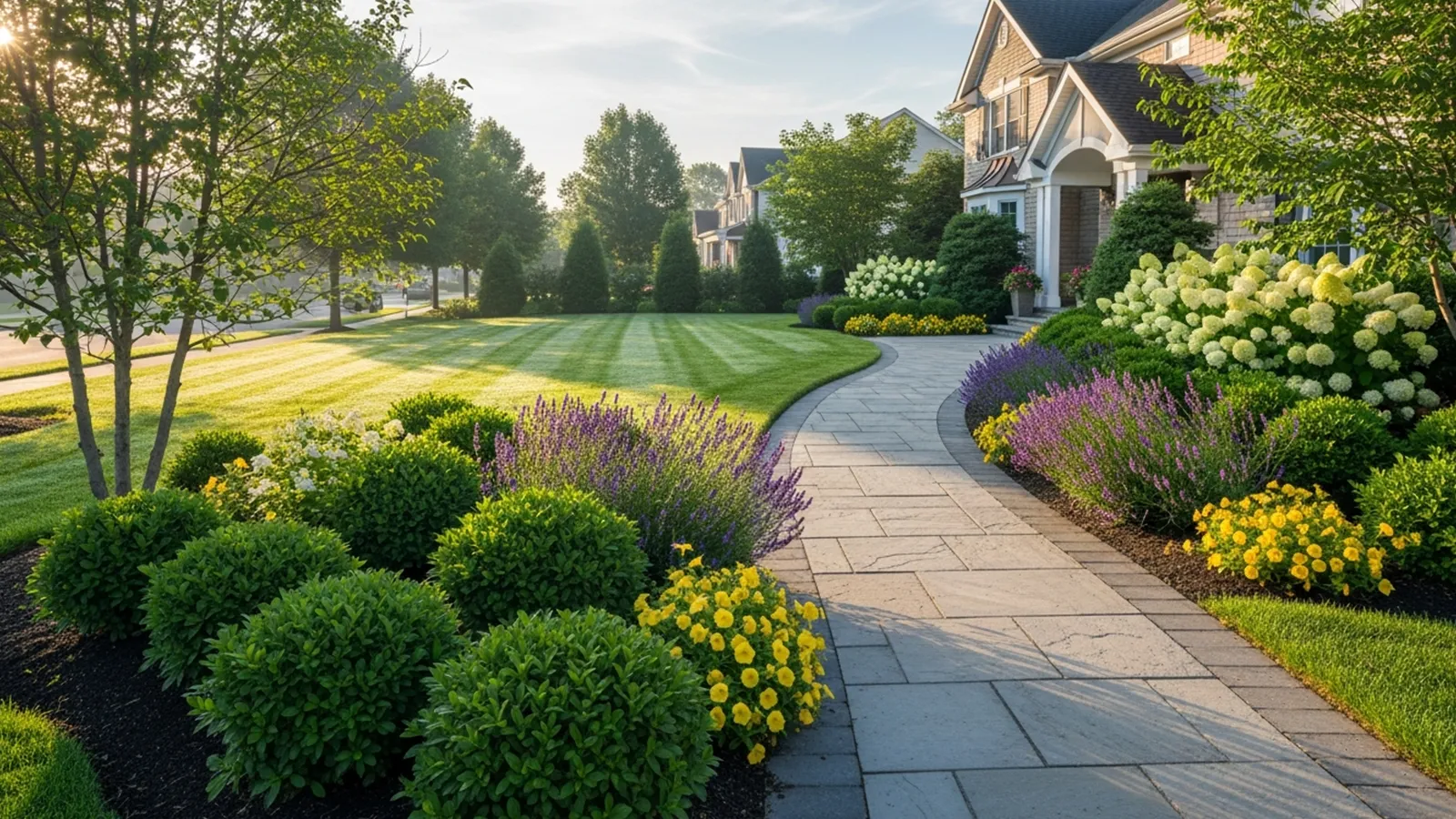
The first step off the sidewalk quietly sets expectations. Before materials or planting register, the walkway already begins shaping how the home feels. Some paths invite movement without effort, while others introduce hesitation, even when nothing looks obviously wrong.
That reaction usually comes from how the space behaves in use. A walkway may appear finished, but daily movement quickly reveals whether it actually works. Slowing down, carrying something, or approaching the door exposes friction that decoration cannot hide.
A well-designed front yard walkway blends into everyday routines. It supports planting, aligns with the home, and holds up to regular use without asking for attention. When these elements work together, the path feels settled rather than designed.
Choosing a Path Layout That Feels Natural
✔️ The first few steps often say more than the view from the street. A layout that follows natural movement feels welcoming immediately, while an awkward one creates distance. This response almost always comes from alignment and flow rather than surface choice.
Layout decisions show up in simple, everyday ways:
-
Curves feel natural when they respond to trees, slopes, or focal points already present.
-
Straight lines feel calmer when they echo the home’s structure.
-
Comfortable width allows people to walk together without adjusting pace.
When layout supports instinctive movement, the path feels obvious. It does not need explanation to feel right.
Materials That Balance Comfort and Character
💡 The surface of a walkway is understood through the feet before the eyes. Stable, predictable materials help people relax, while slick or uneven ones introduce tension that colors the entire experience.
Materials also influence how warm or severe the path feels. Natural stone and textured pavers tend to soften movement, while large smooth slabs can feel stark without nearby planting. Comfort works best when it supports character instead of competing with it.
A few material qualities shape daily use most clearly:
-
Texture affects traction in wet or early-morning conditions.
-
Joint spacing influences how stable the surface feels while walking.
-
Visual tone sets whether the path feels inviting or harsh.
When materials support both movement and mood, the walkway becomes easy to live with.
Creating Visual Rhythm Along the Walkway
✔️ As people walk, their eyes constantly look for cues. Walkways that feel calm usually rely on repetition to guide that movement. Without rhythm, even high-quality materials can feel scattered.
Planting often provides this structure. Repeated forms and consistent spacing help the eye move forward, making the walk feel smoother and more comfortable.
A few elements typically create this sense of rhythm:
-
Low, repeating plants keep sightlines open.
-
Gradual height changes feel smoother than abrupt shifts.
-
Consistent edges help the path read clearly from the street.
Lighting That Welcomes Without Overpowering
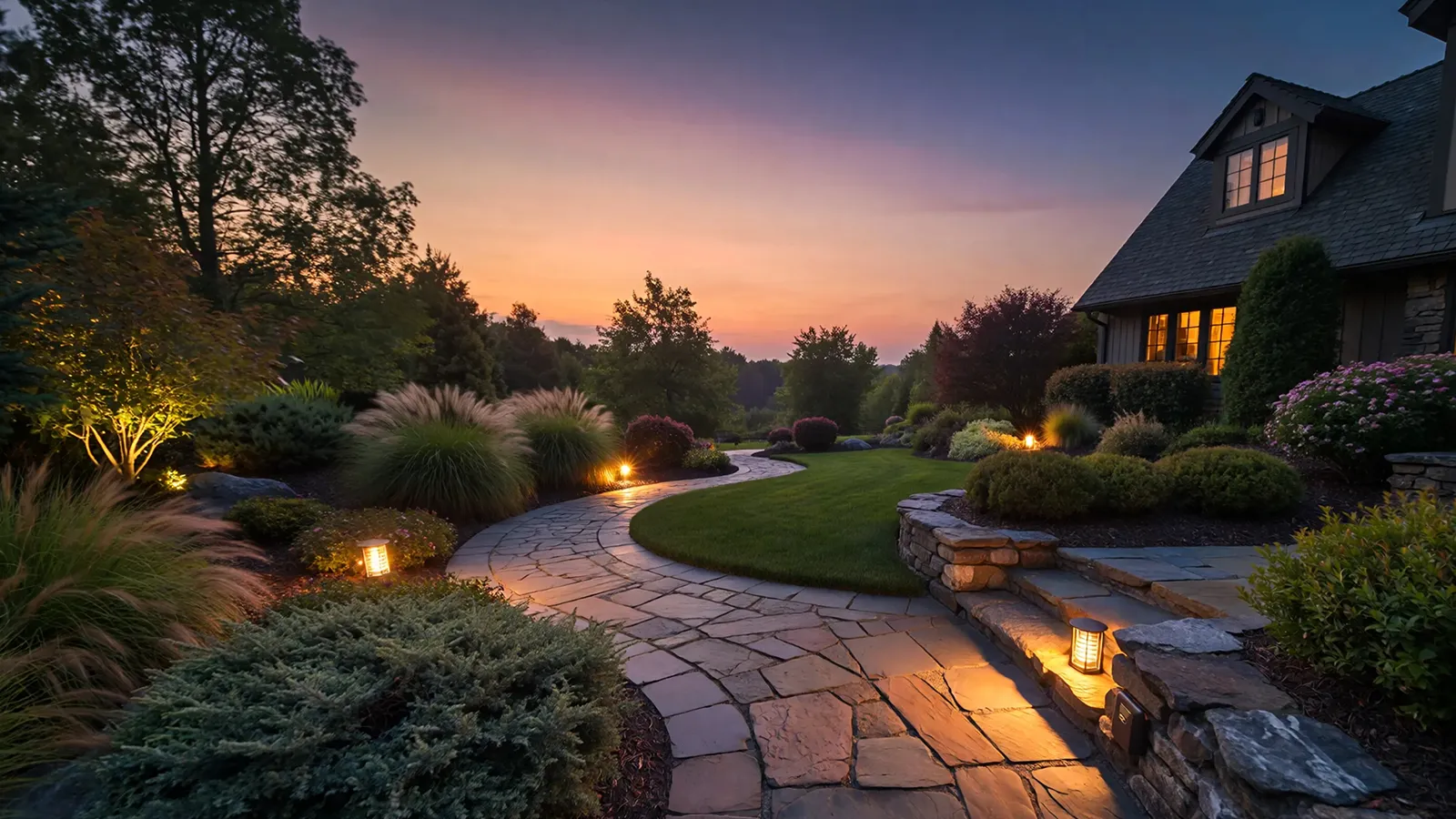
💡 Lighting becomes noticeable when it interrupts movement. Dark gaps slow people down, while harsh glare makes the space feel exposed. The most inviting lighting works quietly in the background.
A few lighting choices tend to shape comfort after dark:
-
Even spacing reduces hesitation.
-
Shielded fixtures limit glare into eyes or windows.
-
Warm tones feel calmer than bright white light.
When lighting stays subtle, the walkway feels approachable rather than staged.
Blending Walkways With Planting Design
✔️ A walkway feels most natural when its edges soften into the landscape. Bare hard lines can feel abrupt, while unchecked growth quickly feels messy as plants mature.
Plant height directly affects how open the walk feels. Lower plants keep the approach friendly, while taller ones add intimacy only when spacing is controlled. Over time, the relationship between plant size and path width becomes clear.
A few planting behaviors shape that experience:
-
Spreading plants can slowly narrow the path.
-
Seasonal growth changes how open the walk feels.
-
Evergreens maintain structure year-round.
When planting supports the path instead of competing with it, the walkway feels calm rather than crowded.
Designing for Daily Use and Long-Term Comfort
⚠️ A walkway proves itself on busy mornings and in poor weather. Slopes, drainage, and surface consistency shape how safe and comfortable it feels when conditions are less forgiving.
A few everyday factors tend to matter most:
-
Proper drainage prevents puddles and icy spots.
-
Gentle slopes feel easier than abrupt changes.
-
Durable surfaces age more evenly under frequent use.
When these needs are considered early, the walkway remains reliable instead of demanding attention.
Managing Scale and Proportion Along the Path
💡 A walkway can meet size guidelines and still feel uncomfortable. That usually happens when nearby plants, walls, or fences visually press in, even if the walking surface itself is wide enough. The eye reacts to proportion long before the body measures space.
The relationship between the path and the house plays a major role here. Narrow walkways leading to large homes can feel hesitant, while oversized paths in front of smaller homes may feel exposed. When these elements are out of balance, the approach feels subtly off without a clear reason.
A few proportional relationships shape that experience:
-
Path width relative to the height of nearby planting.
-
Visual weight of materials compared to the home’s facade.
-
How gradually the path changes as it nears the entrance.
When these proportions align, the walkway feels calm and settled. Nothing draws attention, yet nothing feels undersized.
Texture and Surface Choices That Support Everyday Use
⚠️ Walkway surfaces reveal their quality during imperfect conditions. Rain, frost, fallen leaves, or muddy shoes quickly show whether a path truly works. A surface that feels fine on a dry afternoon can feel stressful early in the morning or late at night.
Texture strongly influences confidence while walking. Slight variation improves grip and footing, while overly smooth finishes can feel slippery and uncertain. At the same time, excessive texture can trap debris and feel uneven underfoot.
A few surface qualities tend to matter most in daily use:
-
Texture affects traction and stability.
-
Color influences heat buildup and glare.
-
Joint spacing impacts long-term wear.
When these traits are balanced, the surface fades into the background and quietly supports movement.
Supporting the Walkway With Sustainable Design Choices
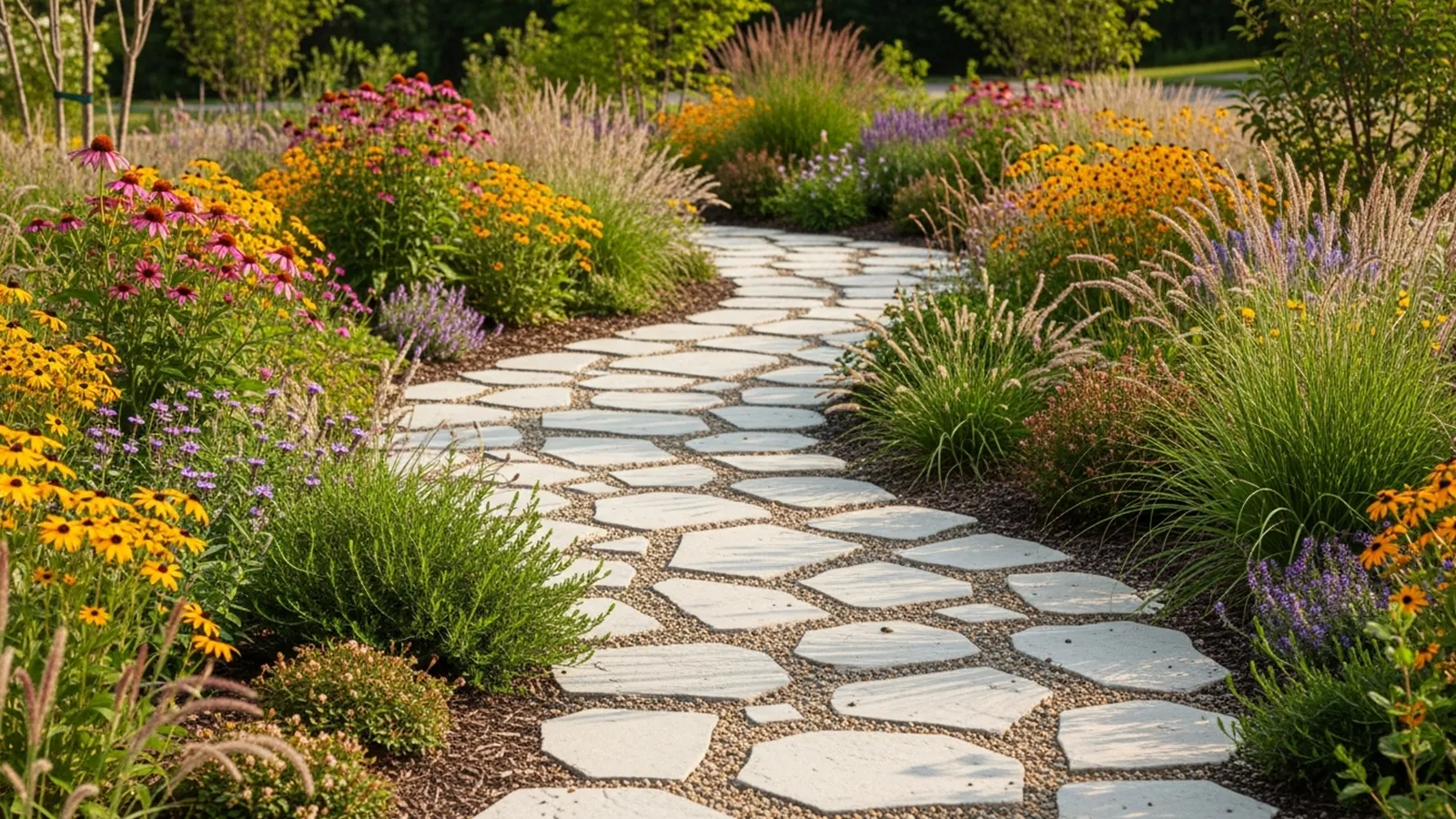
✔️ How a walkway handles water often determines how well it ages. Paths that shed water too quickly or trap it in low spots tend to crack, shift, or grow slippery over time. Sustainable material choices help manage this without adding visual heaviness.
Permeable surfaces allow rain to move into the soil instead of running across the path. This reduces puddling and supports healthier planting along the edges. The walkway feels lighter and more integrated with the landscape rather than sitting on top of it.
Several long-term benefits often overlap:
-
Better drainage reduces surface damage.
-
Healthier soil supports nearby plants.
-
Fewer repairs help the path maintain a clean appearance.
Creating Emotional Warmth Through Edge Details
💡 Edges quietly shape how a walkway is experienced. Crisp, clean borders feel orderly and controlled, while softer edges feel relaxed and natural. This difference becomes most noticeable when moving slowly toward the entrance.
Hard edging materials help maintain clear lines over time. They prevent soil and mulch from creeping onto the path, protecting both safety and appearance. Softer edges rely more on plant behavior and require careful balance to avoid crowding.
Edge treatments influence comfort in clear ways:
-
Defined boundaries make the path easier to read.
-
Soft transitions reduce the hardness of paved areas.
-
Consistent edges help the walkway feel finished.
When edges are handled with restraint, the path feels welcoming without feeling decorative.
Anticipating How People Actually Use the Walkway
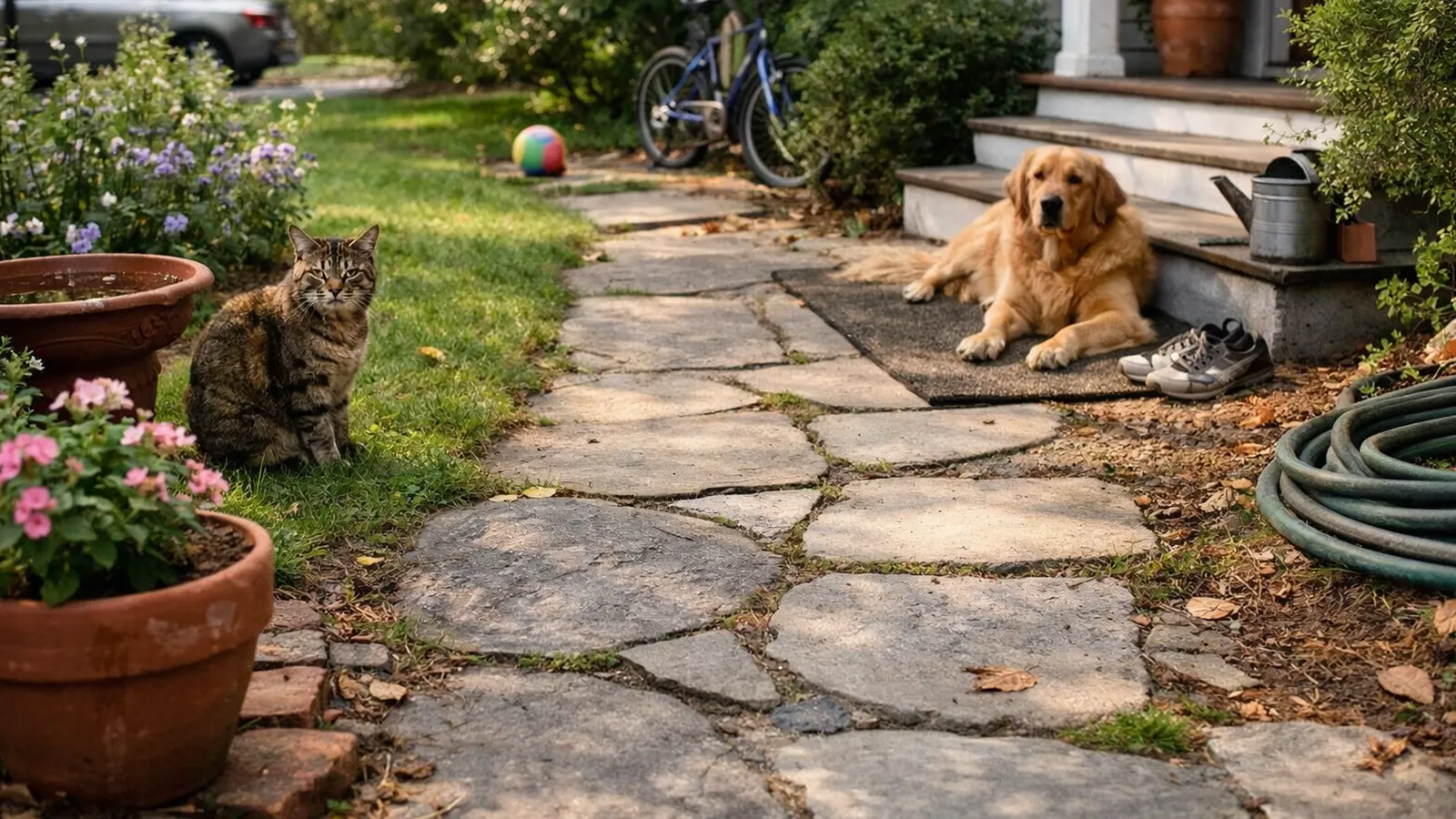
✔️ Everyday life quickly exposes whether a walkway was designed for real use or just appearance. Daily routines involve stopping, turning, carrying items, and sharing space. Paths that only work in ideal conditions begin to feel restrictive.
High-use areas near the entrance experience the most pressure. Small allowances here make a noticeable difference over time. Without them, wear patterns appear and the walkway can feel neglected even if it remains structurally sound.
Common daily-use pressures include:
-
Deliveries near the front door.
-
Pets pacing or cutting corners.
-
Brief pauses during greetings or conversations.
When these realities are considered, the walkway continues to feel welcoming instead of worn. It supports daily movement rather than fighting it.
Designing Walkways That Feel Safe Without Feeling Rigid
✔️ A walkway often feels unsafe before it looks unsafe. Hesitation shows up as shorter steps, slower movement, or eyes constantly checking the ground. These reactions usually come from subtle inconsistencies rather than obvious hazards.
Clear visual boundaries help people move with confidence. When it is easy to see where the path begins and ends, movement feels natural instead of cautious. Confusing transitions between pavement and planting tend to create tension, especially for first-time visitors.
A few quiet details shape this sense of safety:
-
Consistent surface levels reduce uncertainty.
-
Predictable edges help people judge where to step.
-
Gentle transitions feel easier than abrupt changes.
When safety is handled quietly, the walkway feels calm rather than controlled.
Aligning the Walkway With the Home’s Architecture
💡 A walkway feels disconnected when it ignores the house it leads to. Materials, lines, or proportions that clash with the home create a subtle sense of mismatch, even if nothing looks obviously wrong.
Homes with clean, modern lines tend to feel more settled with straight paths and restrained materials. Older or more traditional homes often feel warmer with softer edges and natural textures. The walkway works best when it echoes the home instead of competing with it.
That alignment is shaped by a few shared cues:
-
Repeating materials already used on the house.
-
Matching the path’s visual weight to the home’s scale.
-
Choosing straight or curved lines that reflect the structure.
When the path and the house speak the same visual language, the approach feels intentional and complete.
Managing Transitions From Public to Private Space
⚠️ The front yard walkway quietly marks the shift from public space to personal space. When that shift feels abrupt, visitors may feel exposed or unsure where to pause. A gradual transition makes the approach feel more comfortable and respectful.
Small cues slow movement naturally near the entrance. Subtle changes in width, planting density, or surface texture signal that the destination is close without interrupting flow.
Several elements often work together here:
-
Visual framing near the door creates a natural pause point.
-
Layered planting softens the sense of exposure.
-
Gentle curves reduce the feeling of direct access.
When this transition feels natural, arrival feels calm rather than awkward.
Reducing Maintenance Without Sacrificing Warmth
✔️ A walkway that demands constant attention slowly loses its welcoming feel. Cracks, weeds, or shifting materials create visual noise that people notice immediately. Low-maintenance choices help the path stay inviting over time.
Warmth does not come from complexity. Natural tones, restrained planting, and stable materials can feel friendly while remaining practical. Consistency matters more than perfection.
Using Details to Create a Sense of Arrival
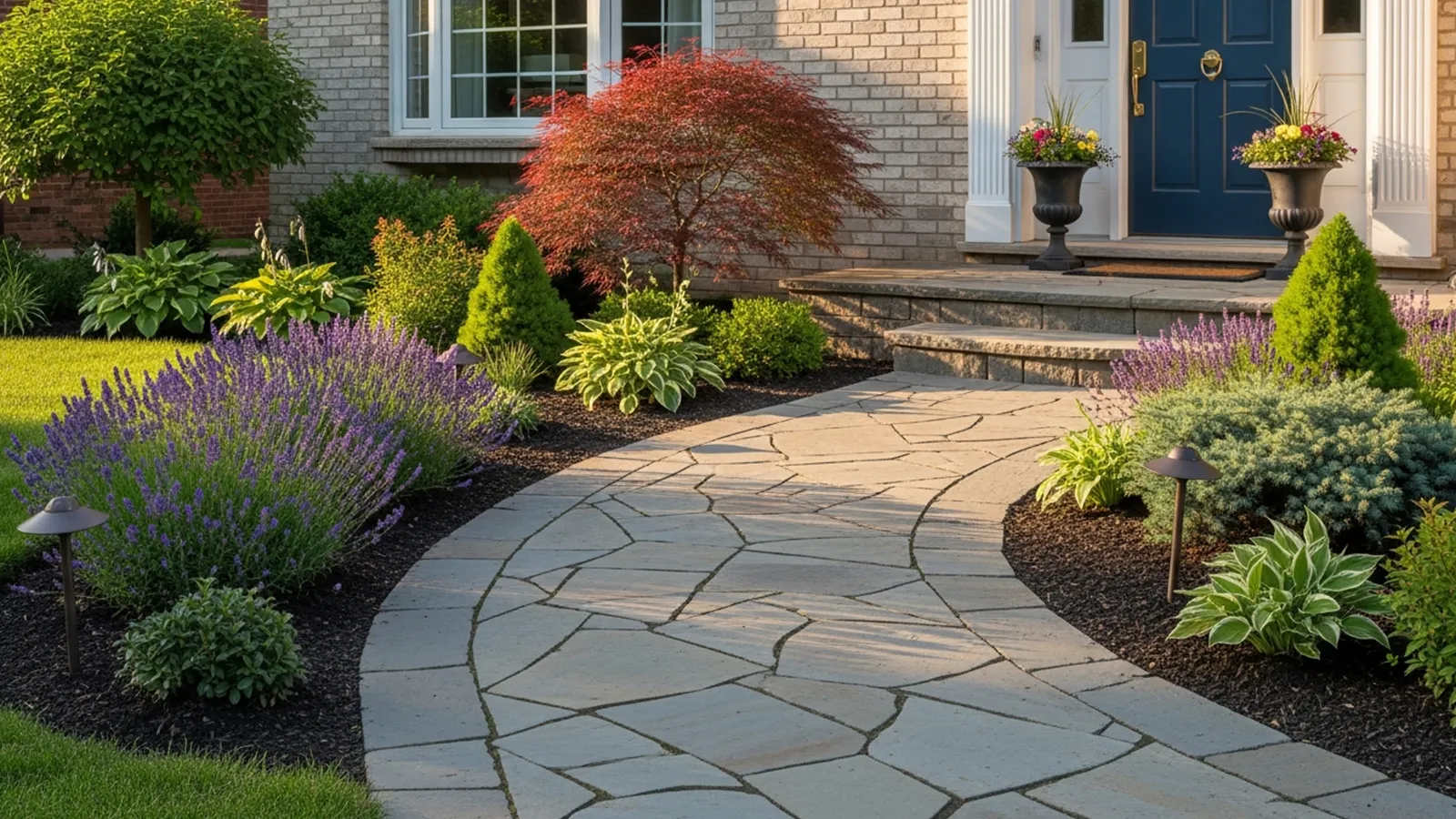
💡 The end of the walkway often determines how settled the entire approach feels. Without a clear arrival point, visitors hesitate or shift their weight, unsure where to stand. A defined ending quietly removes that uncertainty.
Arrival cues do not need decoration. Small changes in width, surface pattern, or framing plants are usually enough to signal that the journey has ended.
Arrival is often shaped by:
-
A slight widening near the door.
-
Visual framing at eye level.
-
Subtle material changes that mark transition.
When arrival feels clear, the walkway reads as a complete experience rather than just a strip of pavement.
Designing Walkways That Continue to Feel Inviting Over Time
✔️ A walkway rarely looks the same year after year. Plants grow, materials weather, and routines change. Designs that account for this tend to feel comfortable longer.
What keeps a walkway inviting is reliability. When it continues to support daily movement and seasonal change without losing clarity, it stays welcoming long after the first impression.
Landscape Design: https://www.asla.org/