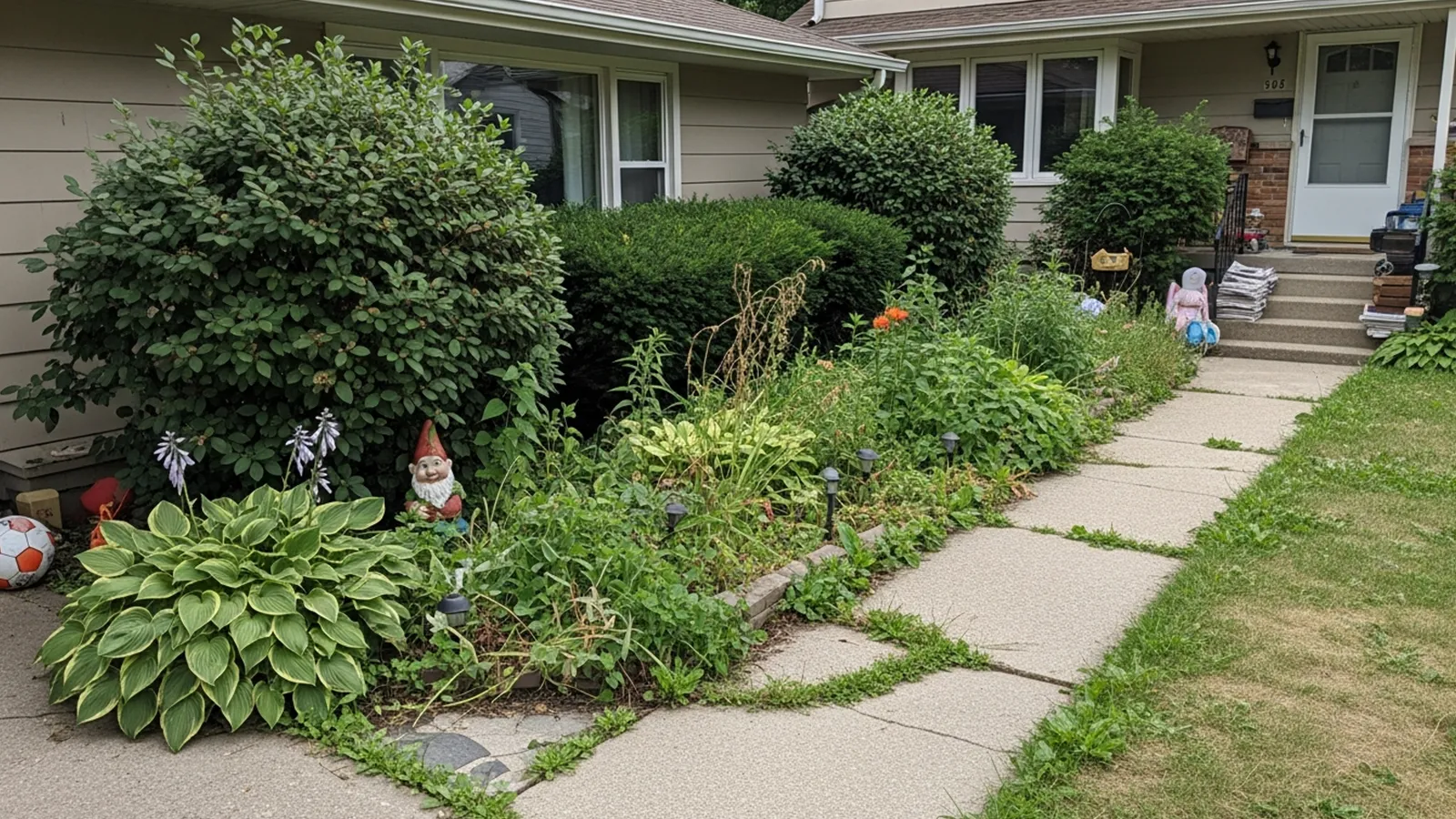
A front yard sends signals long before anyone reaches the front door. It reflects how a home is maintained, how welcoming it feels, and whether the space has been planned with intention or impulse. Even small decisions can shape that message over time.
Most front yard mistakes don’t appear immediately. They surface gradually as plants grow, materials age, and daily use reveals weak assumptions. What once looked acceptable can start to feel crowded, confusing, or harder to manage.
The goal is not perfection, but awareness. Knowing what typically goes wrong helps homeowners spot problems early—before they become permanent.
Ignoring Scale and Mature Plant Size
One of the most common front yard mistakes is evaluating plants only by how they look on planting day. Shrubs and trees that seem proportional at first often grow far larger than expected, slowly overwhelming the house and surrounding space. Because these changes happen over years, they are easy to dismiss until correction becomes difficult.
⚠️ Scale issues usually become visible through physical signs, not abstract design theory:
-
Plants begin touching walls, windows, or siding sooner than expected.
-
Walkways feel narrower as branches encroach from both sides.
-
The house starts to feel visually buried rather than framed.
These are planning problems, not growth problems. A front yard works best when plants can reach their natural size without constant restraint. Designing with mature proportions in mind prevents the landscape from feeling like it is always outgrowing its boundaries.
Overcrowding Plants for Immediate Fullness
Front yards are often planted too tightly in an effort to look finished right away. While dense planting creates instant impact, it also limits airflow, blocks light, and increases competition below the soil. As growth accelerates, plants struggle to maintain healthy structure.
💡 Overcrowding shows itself in clear, physical ways:
-
Plants stretch upward or sideways instead of filling out evenly.
-
Centers thin out while edges grow aggressively.
-
Pruning becomes frequent just to keep order.
Allowing visible space at planting time may feel uncomfortable, but it supports stronger growth and clearer form later. A front yard that fills in gradually almost always looks calmer and more intentional over time.
Choosing Style Before Daily Function
A front yard must work before it can truly look good. Designs focused only on appearance often ignore how people actually move through the space. When circulation feels awkward, behavior adapts—and the landscape pays the price.
✔️ Functional issues usually reveal themselves through everyday use:
-
Visitors hesitate or pause before finding the front door.
-
People cut across grass instead of using paths.
-
Certain areas are consistently avoided without obvious reason.
These behaviors indicate that flow is unclear. Slippery surfaces, narrow steps, or crowded walkways also introduce quiet safety risks. When function is resolved first, visual elements support the experience instead of fighting it.
Creating Too Many Competing Focal Points
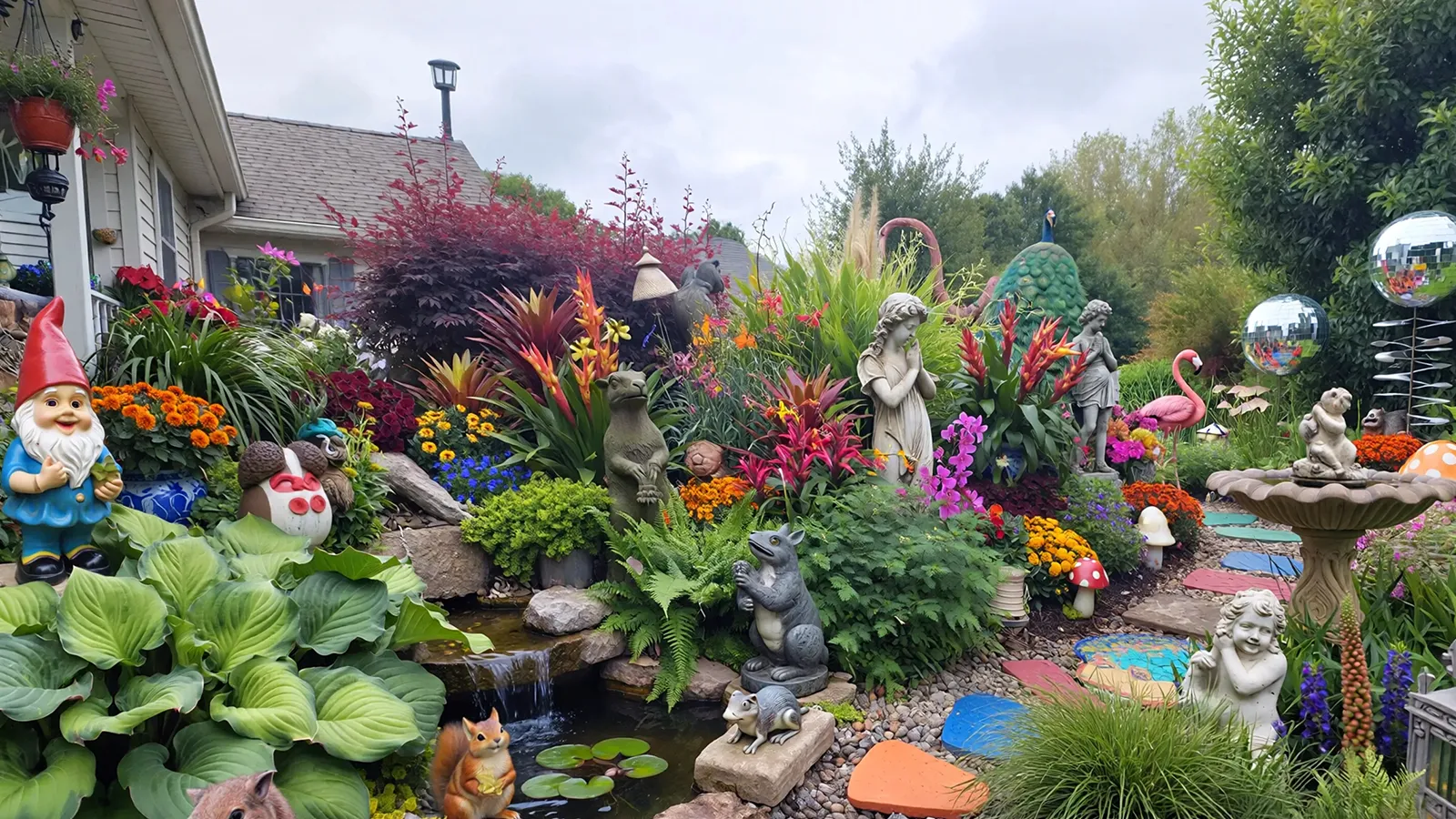
A front yard loses clarity when too many elements demand attention at once. Instead of guiding the eye, the landscape pulls focus in several directions simultaneously. This usually happens gradually as new features are added without rebalancing the overall design.
✔️ Visual overload often feels obvious on a gut level:
-
The eye has no clear place to rest.
-
Decorative elements compete instead of supporting each other.
-
The front door stops feeling like the natural focal point.
Strong front yards rely on hierarchy, where one main element leads and others reinforce it quietly. Reducing competition often improves impact more than adding anything new.
Underestimating Long-Term Maintenance Reality
Many front yards are designed with enthusiasm but without a realistic view of ongoing care. Plants that require frequent trimming, detailed edging, or seasonal replacement increase maintenance faster than most homeowners expect. Over time, consistency drops and the design begins to lose structure.
🐾 Maintenance pressure shows up in tangible ways:
-
Beds become uneven or partially overgrown.
-
Plants spill into walkways or sightlines.
-
High-traffic areas feel messy or obstructed.
This is especially noticeable in homes with pets or regular foot traffic. Designs that align with available time and energy remain stable longer and feel easier to live with.
Front yard landscapes that balance visual goals with realistic upkeep tend to age more gracefully. Front yard landscaping ideas that improve curb appeal often succeed because they align design ambition with how the space is actually maintained.
Overlooking Seasonal and Environmental Context
Designing a front yard without accounting for seasonal change limits its success. Plants chosen for a single peak moment may leave long stretches of visual emptiness. Ignoring sun exposure, wind patterns, or soil conditions further increases uneven growth and disappointment.
❌ Environmental mismatch becomes visible through repeat patterns:
-
Certain areas struggle year after year.
-
Color and density vary sharply across the yard.
-
Structure weakens outside peak seasons.
Successful front yards anticipate change rather than react to it. When local conditions are respected, the landscape develops consistency instead of constant correction.
Overlooking Drainage and Natural Water Flow
Water behavior in a front yard is easy to ignore until problems surface. Poor grading or unplanned runoff allows water to collect where it causes the most damage, often near foundations, walkways, or planting beds. These issues rarely appear immediately and tend to worsen quietly with each heavy rain. By the time symptoms are obvious, correction usually requires disruptive changes.
⚠️ Drainage problems often show up through repeatable, physical signals:
-
Soil remains soggy long after rain has stopped.
-
Mulch or soil washes onto paths or sidewalks.
-
Certain plants decline despite regular care.
These signs point to how water moves, not how plants are maintained. A stable front yard manages water quietly, without drawing attention to the solution. When drainage is resolved early, the entire landscape becomes more resilient with less effort.
Misjudging Sun Exposure Throughout the Day
Front yard sun exposure is rarely consistent, yet planting decisions are often made based on brief observation. Morning light, afternoon shade, reflected heat, and seasonal shifts all influence how much sun an area truly receives. When these patterns are misread, plants may survive but never perform as expected. This slowly erodes the intended look of the yard.
💡 Light mismatch becomes visible through plant behavior:
-
Growth leans strongly toward one direction.
-
Foliage looks thin or uneven despite watering.
-
Flowering is inconsistent or short-lived.
These outcomes are often mistaken for plant quality issues. In reality, they signal a mismatch between placement and light conditions. Front yards that respect daily and seasonal sun patterns age more predictably and require fewer adjustments.
Designing Front Yards That Accidentally Demand Constant Care
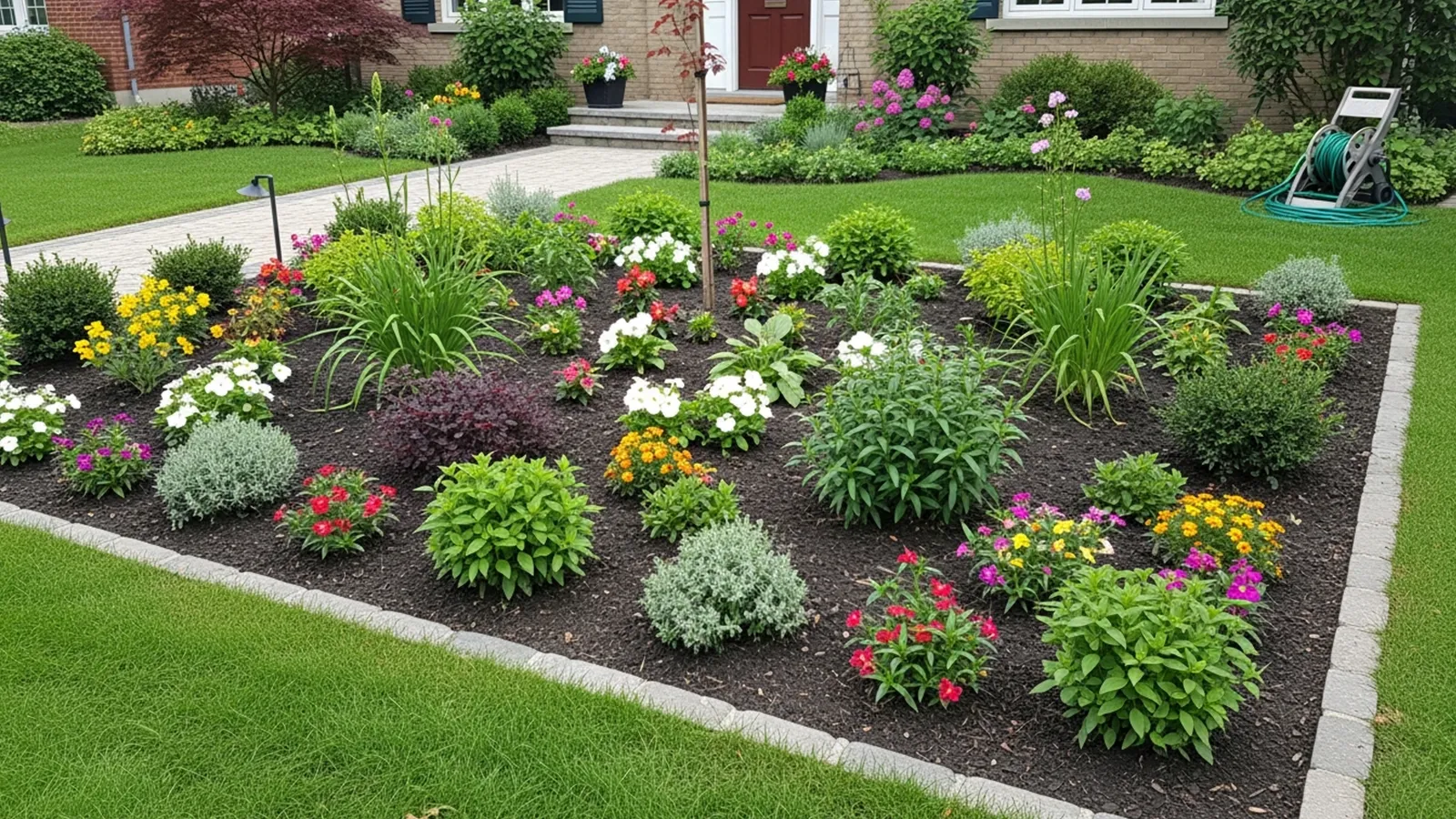
Many front yards become difficult to manage not because of poor design taste, but because maintenance demands were underestimated. Complex plant combinations, delicate groundcovers, and intricate borders increase workload as the landscape matures. What feels manageable at first can quickly become overwhelming. Over time, missed upkeep begins to affect structure and clarity.
✔️ High-maintenance designs tend to reveal themselves through patterns:
-
Pruning needs increase instead of stabilizing.
-
Small delays in care create visible disorder.
-
The yard looks “behind” even with regular effort.
This is not a failure of commitment, but of alignment. Designs that match realistic time and energy levels remain consistent longer. Simpler structures often protect visual quality better than elaborate detail.
Allowing Entry Paths and Walkways to Lose Clarity
The path from street to front door should feel obvious, yet many landscapes obscure this journey. Walkways that blend into planting beds or lack definition leave visitors uncertain about where to step. Over time, people create their own routes, gradually reshaping the yard through repeated use.
⚠️ Loss of clarity is easy to spot:
-
Foot traffic avoids the intended path.
-
Grass or soil wears thin in unexpected places.
-
Visitors hesitate before approaching the entry.
These behaviors signal that circulation is unclear. When movement feels intuitive, people follow it naturally. Clear paths support safety, comfort, and first impressions without needing emphasis.
Creating Privacy Solutions That Reduce Openness
Privacy is a common goal, but it is often pursued too aggressively in front yards. Dense hedges or tall screens placed close to the house can block light and create a closed-off feeling. While visibility may decrease, comfort and openness often decline with it. The yard can start to feel defensive rather than welcoming.
💡 Privacy imbalance shows up in subtle ways:
-
Interior rooms feel darker than expected.
-
The front yard feels visually compressed.
-
The house appears disconnected from its surroundings.
Effective privacy softens exposure without isolating the home. When boundaries feel gradual rather than abrupt, the space remains calm and approachable.
Ignoring How Maintenance Choices Shape Long-Term Stability
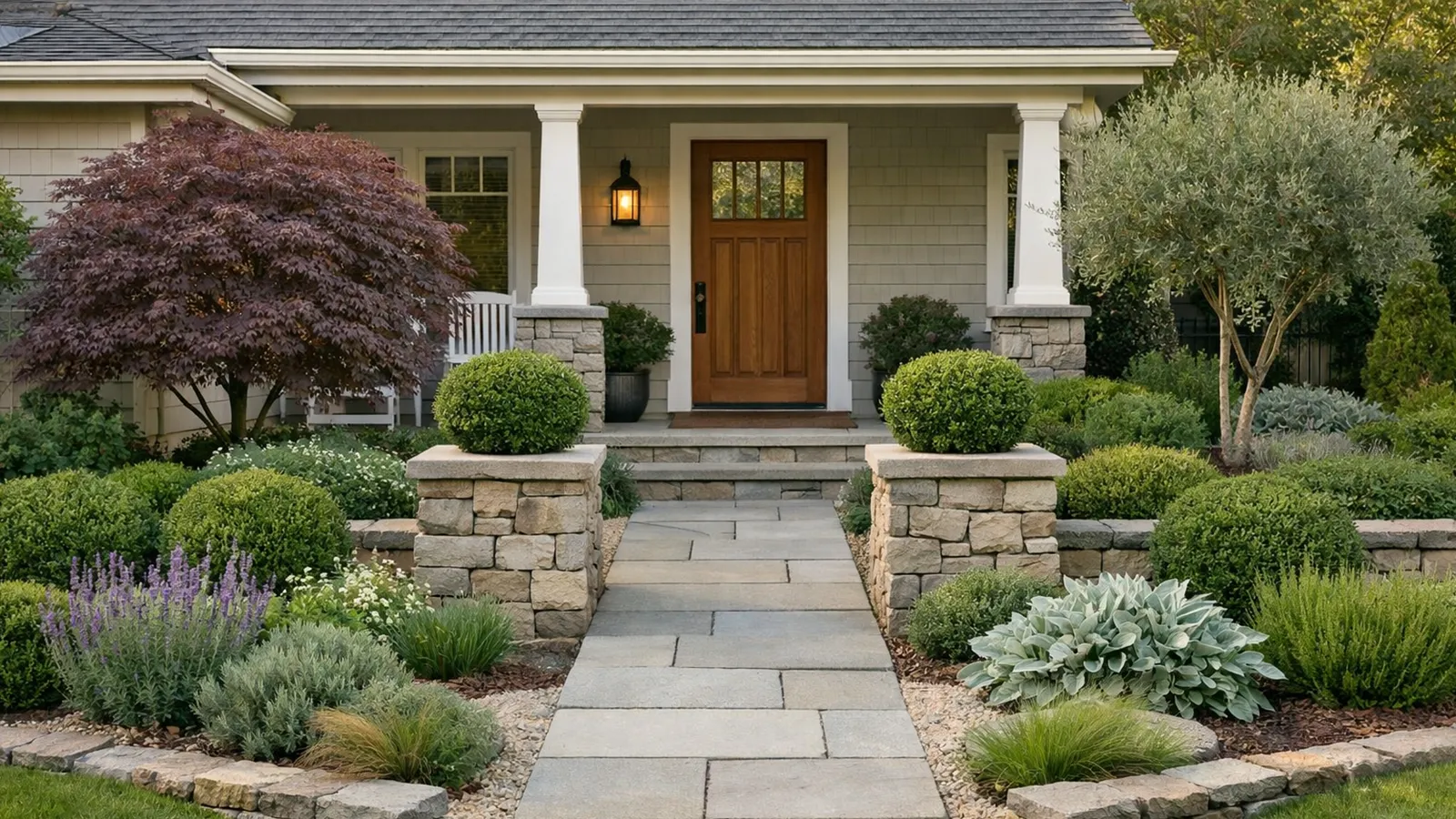
A front yard’s success is measured over years, not seasons. Designs that rely on frequent correction often lose structure as soon as upkeep slips. When maintenance becomes inconsistent, fragile layouts degrade quickly and require reactive fixes. Longevity depends on how well design ambition aligns with daily routines.
✔️ Stable landscapes share common traits:
-
Plants mature into their space without constant control.
-
Materials weather evenly instead of breaking down.
-
The overall layout remains legible even with minimal care.
Designs built with these realities in mind tend to hold their form and purpose longer. Front yard designs that prioritize low-maintenance planning often remain attractive because they work with everyday routines rather than against them.
The remaining mistakes are less about structure and more about how the front yard feels to live with day after day. These issues often go unnoticed at first but strongly influence comfort, safety, and long-term satisfaction.
Blocking Sightlines That Affect Safety and Comfort
Front yards are often judged by appearance, but poor sightline planning introduces practical risks. Tall or dense plantings near driveways, walkways, or corners can limit visibility for residents and visitors alike. This becomes more noticeable in neighborhoods with shared sidewalks, children, or pets moving through the space. What feels private from inside the home may feel uncertain when approached from the street.
⚠️ Sightline issues tend to reveal themselves through everyday moments:
-
Drivers pull forward repeatedly to see past plantings.
-
Visitors slow down or hesitate near the entry.
-
Corners feel tight or unpredictable rather than open.
Clear visual cues support safety without sacrificing softness. When key routes remain visible, the yard feels calmer and easier to navigate. A comfortable front yard balances shelter with awareness instead of forcing a choice between the two.
Overusing Hardscape at the Expense of Warmth
Hardscape adds structure, but relying on it too heavily can drain warmth from a front yard. Large uninterrupted surfaces often feel rigid and amplify heat during warmer months. As planting space shrinks, seasonal change becomes less visible and the landscape feels static. What initially looks clean can later feel stark.
💡 Hardscape imbalance shows up in subtle physical cues:
-
Surfaces dominate attention more than plantings.
-
The yard feels hotter or harsher in direct sun.
-
Seasonal variation becomes harder to notice.
Plants soften edges, introduce movement, and help regulate comfort. When hard materials and planting are balanced, each enhances the other. Moderation allows the yard to evolve visually rather than remain fixed.
Treating the Front Yard as Decoration Only
Some front yards are designed strictly to be viewed, not experienced. While curb appeal matters, ignoring usability limits how the space contributes to daily life. Front yards can support brief pauses, small interactions, or gentle activity without becoming cluttered. When the yard is treated as untouchable, its potential remains underused.
🐾 This limitation becomes obvious in daily use:
-
People avoid stepping into planting areas even briefly.
-
Light foot traffic leaves visible wear where it was never expected.
-
The yard looks pristine but feels disconnected from real life.
Designing for light interaction preserves appearance while increasing comfort. A usable front yard often stays attractive longer because it works with behavior instead of resisting it.
Forgetting How Nighttime Changes the Landscape
Front yard design often stops at daylight conditions, leaving nighttime experience unresolved. Without thoughtful lighting, textures flatten and important transitions disappear after dark. Entry paths, steps, and grade changes need visibility to remain safe. A well-designed yard can feel unfamiliar once the sun sets.
⚠️ Nighttime issues are usually easy to recognize:
-
Paths feel harder to follow after dark.
-
Shadows obscure changes in level.
-
Bright fixtures create glare rather than guidance.
Lighting should support movement first and atmosphere second. Subtle layering preserves depth without overpowering the space. When nighttime is considered, the landscape remains usable beyond daylight hours.
Creating Privacy Measures That Feel Defensive
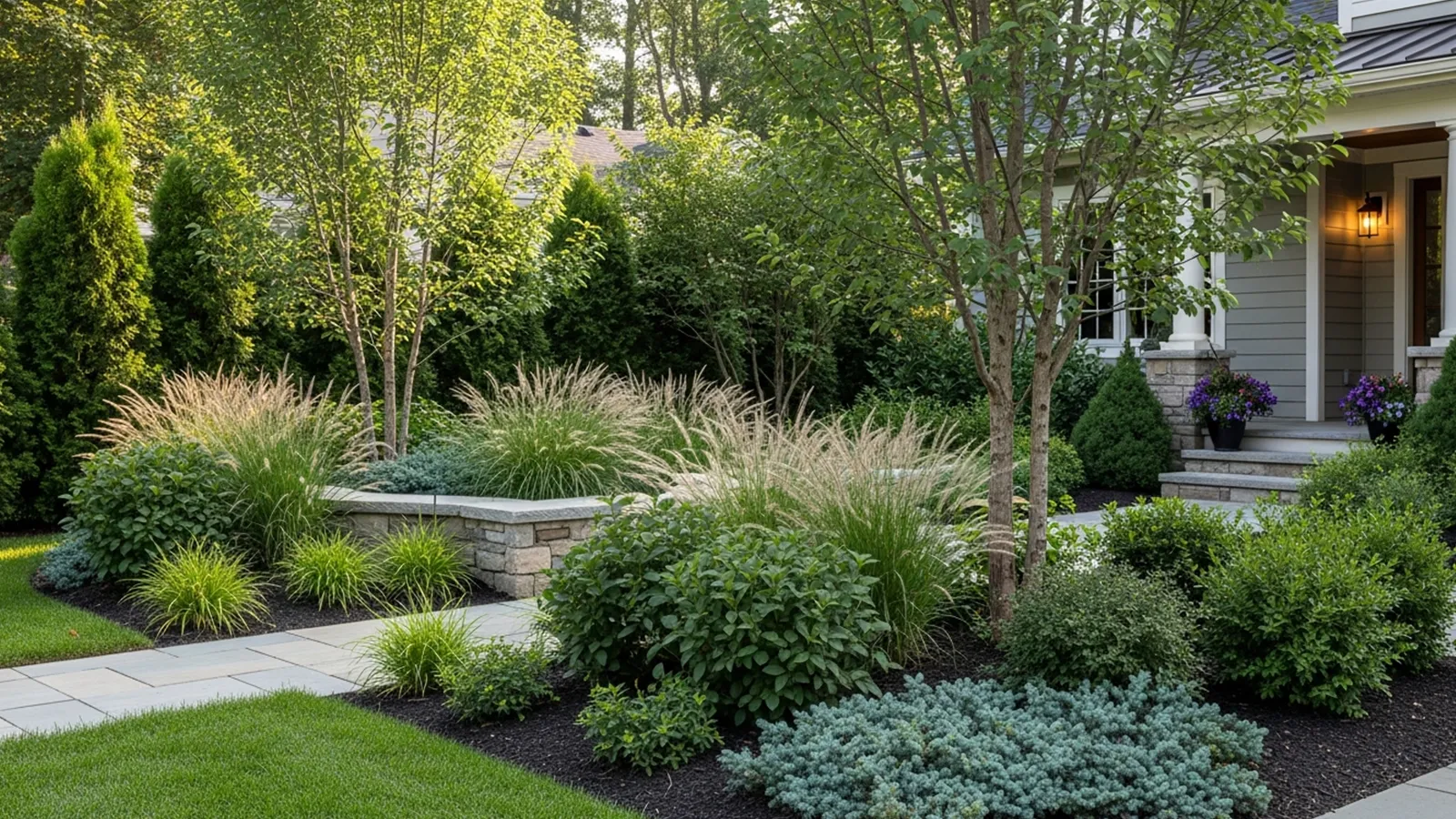
Privacy strategies can unintentionally change the emotional tone of a front yard. Solid walls of planting or tightly packed screens may reduce visibility but also signal withdrawal from the street. While comfort is important, excessive barriers can make the space feel closed off. The difference lies in how boundaries are expressed rather than how strong they are.
✔️ Defensive privacy often feels physical:
-
Light levels drop more than expected.
-
The entry feels hidden rather than sheltered.
-
The house appears visually disconnected from its surroundings.
Softer approaches maintain openness while reducing exposure. Front yard landscaping for privacy without fences often succeeds by managing sightlines instead of completely blocking them. When privacy feels intentional rather than urgent, the yard remains welcoming and calm.
Letting Small Design Compromises Accumulate Over Time
Many front yard problems begin as minor adjustments that seem harmless. A plant placed slightly off, a path narrowed for convenience, or a feature added without reconsidering the whole can quietly disrupt balance. Individually, these choices feel manageable. Together, they erode clarity and cohesion.
❌ Accumulation shows itself through patterns:
-
Corrections become frequent instead of occasional.
-
The layout feels reactive rather than planned.
-
Visual calm is replaced by constant adjustment.
Recognizing these patterns early prevents patchwork fixes from defining the landscape. A front yard that evolves deliberately retains purpose and composure. Restraint early on reduces the need for major change later.
Technical background: https://www.nrcs.usda.gov/