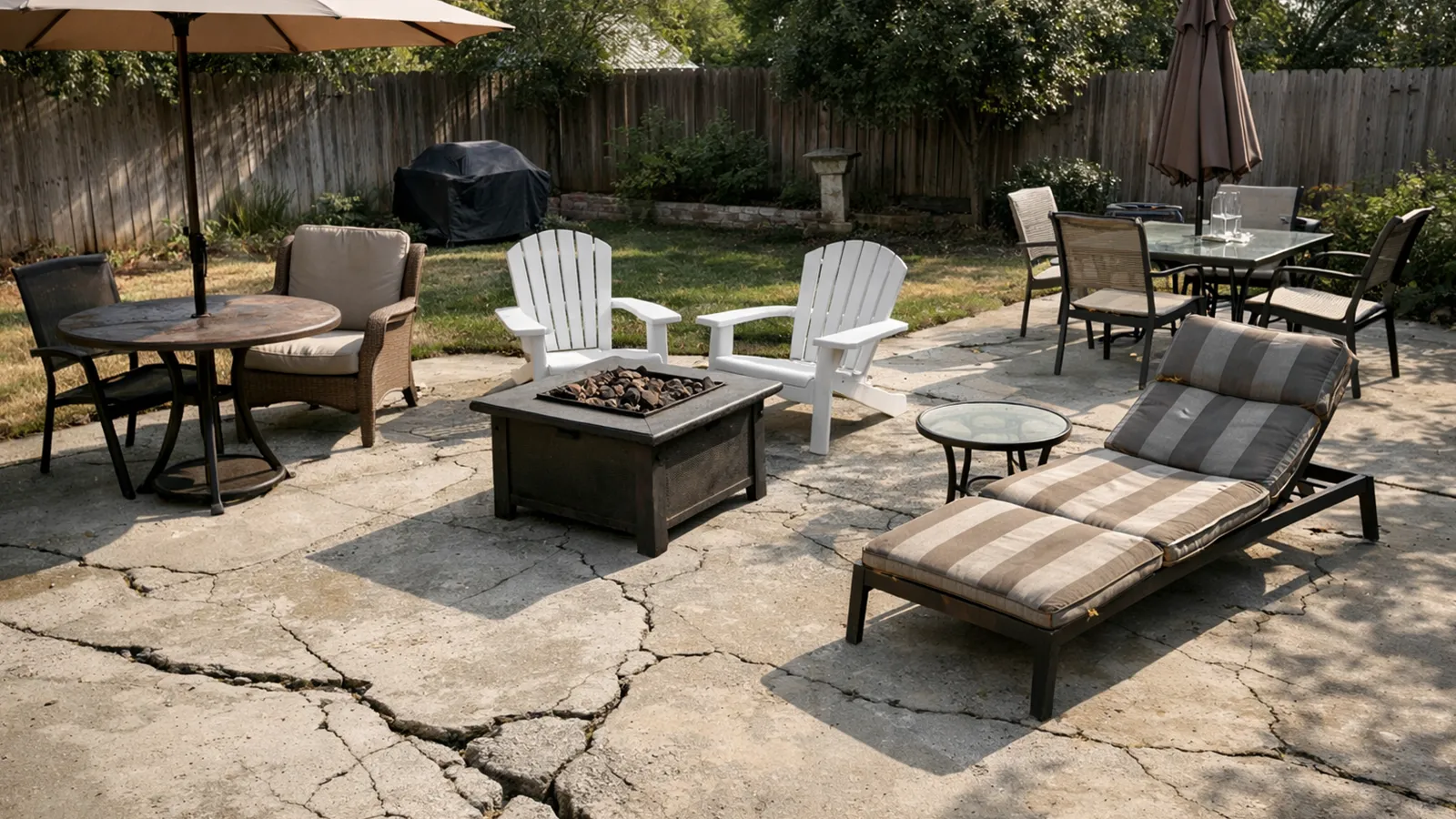
The first sign of a patio problem rarely looks serious. It often shows up as a chair that feels awkward to pull out, a surface that stays damp longer than expected, or a space that looks inviting but somehow goes unused.
These moments tend to get brushed off at the beginning. The patio is new, the materials are fresh, and small discomforts feel temporary, even when they quietly repeat week after week.
Over time, those small frictions stack up. What started as a minor design choice turns into a pattern that affects how often the patio is used, how much it costs to maintain, and how well it holds up year after year.
Designing for Looks Instead of Daily Use
It usually becomes noticeable when people start moving around the patio. Someone has to shift a chair to pass through, or a table blocks the most natural walking path from the house. The space may look balanced, but it does not behave well once it is occupied.
This disconnect grows with regular use. Furniture ends up clustered in one corner, while other areas stay empty because they feel inconvenient. Over time, the patio supports fewer activities, not because it is small, but because it was shaped around appearance rather than movement.
When design favors visuals alone, daily habits get ignored. A patio that works long term reflects how people enter, pause, sit, and leave the space, not just how it looks when photographed.
Ignoring Drainage and Surface Behavior
After a rain, the first clue often appears as a shallow puddle that lingers longer than it should. At first, it seems harmless, especially if it eventually dries. With repetition, that water begins to affect joints, edges, and nearby structures.
As seasons pass, surface behavior becomes harder to ignore. Moisture finds weak points, small cracks widen, and materials shift slightly out of alignment. These changes rarely happen all at once, which is why they are often underestimated.
Drainage issues are not only about water volume. They involve slope direction, runoff patterns, and how surfaces respond to repeated exposure. When these factors are overlooked, the patio slowly absorbs stress it was never designed to handle.
Choosing Materials Without Considering Aging
In the early months, most patio materials perform well. Colors look even, textures feel comfortable, and surfaces respond as expected. The difference emerges after years of sun, moisture, and regular foot traffic.
Some materials trap heat and become uncomfortable during warm weather. Others fade unevenly or grow slick when wet, changing how safe and usable the patio feels. These shifts affect everyday comfort long before the patio appears visibly worn.
Material selection is not just an aesthetic choice. Long-term performance depends on how surfaces age, how they react to weather, and how easily they can be maintained or repaired without full replacement.
Creating a Patio That Lacks Shade Strategy
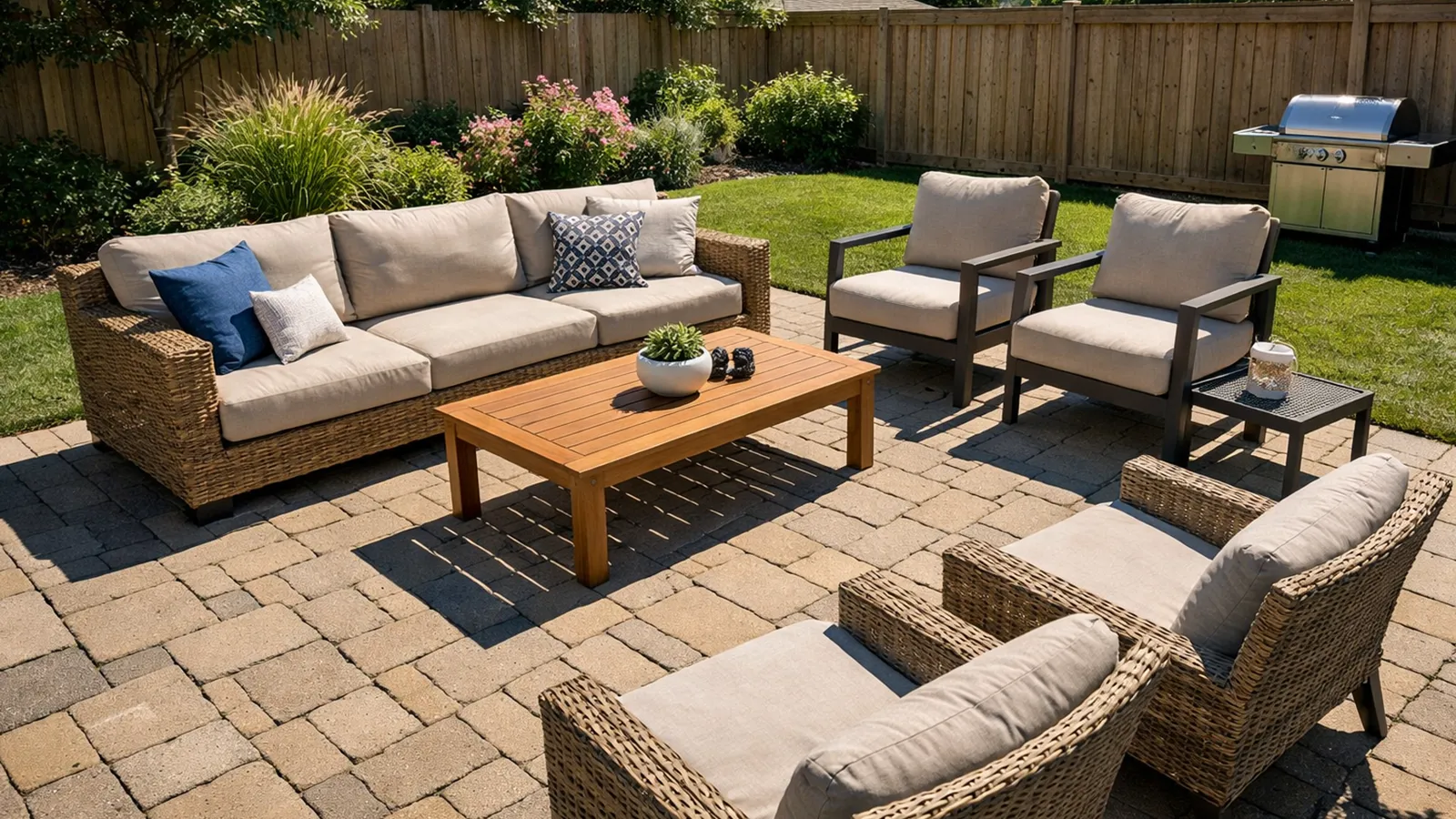
The problem usually becomes clear during the hottest part of the day. The patio looks usable, but sitting there feels draining, and surfaces radiate heat even after the sun shifts. Short visits replace longer stays.
Temporary shade solutions tend to appear next. Umbrellas get moved constantly, or seating shifts to chase narrow bands of shadow. These adjustments rarely feel stable or intentional.
When shade is treated as an afterthought, the patio’s usable hours shrink. A clear strategy that accounts for sun movement throughout the day allows the space to remain comfortable without constant improvisation.
Overlooking Transitions Between House and Patio
The transition often feels wrong before it looks wrong. Stepping outside requires extra attention, doors swing into furniture, or small level changes interrupt the flow between inside and out. These moments create hesitation.
Over time, that hesitation alters behavior. People pause at the threshold instead of moving freely, and the patio feels separate rather than connected. Even a well-furnished space can feel distant when the transition lacks clarity.
A strong transition supports natural movement. When surfaces align, circulation stays clear, and visual continuity is maintained, the patio functions as a true extension of the home instead of a detached zone.
Failing to Plan for Long-Term Flexibility
At first, a fixed layout feels decisive and complete. Seating is built in, zones are clearly defined, and everything has its place. The issue surfaces later, when needs shift and the space cannot respond.
As routines change, rigid elements become obstacles. Activities adapt awkwardly, or parts of the patio stop being used because they no longer fit current habits. What once felt intentional starts to feel limiting.
Flexibility does not mean lack of structure. It means allowing the patio to evolve without forcing major reconstruction, so the space stays relevant as years pass and lifestyles change.
Misjudging Patio Size Relative to Furniture and Movement
The issue usually shows itself when more than one person uses the patio at the same time. Chairs scrape against each other, walking paths disappear, and simple movements start to feel negotiated rather than natural. The space technically fits the furniture, but not the way people actually move.
This creates a pattern that repeats daily. Furniture gets nudged out of place, certain seats stop being used, and circulation tightens around doorways or edges. Over time, the patio feels smaller than it is, not because of square footage, but because movement was never fully accounted for.
When size is judged only by measurements, the lived experience is missed. A patio that works long term supports pull-back space, passing room, and shared use without constant adjustment.
Placing the Patio Without Considering Wind and Microclimate
The discomfort often appears unexpectedly. A calm day turns breezy, conversations become strained, and lightweight items shift or tip over. What felt pleasant during planning behaves very differently once real conditions set in.
Wind exposure affects more than comfort. It cools surfaces unevenly, dries out finishes, and limits how often the patio feels usable. Seasonal changes amplify this effect, turning the space into something that only works under specific conditions.
Microclimate awareness changes outcomes. Sun direction, wind patterns, and surrounding structures shape how a patio feels across the year, not just on ideal days.
Locking the Patio Into a Single Function
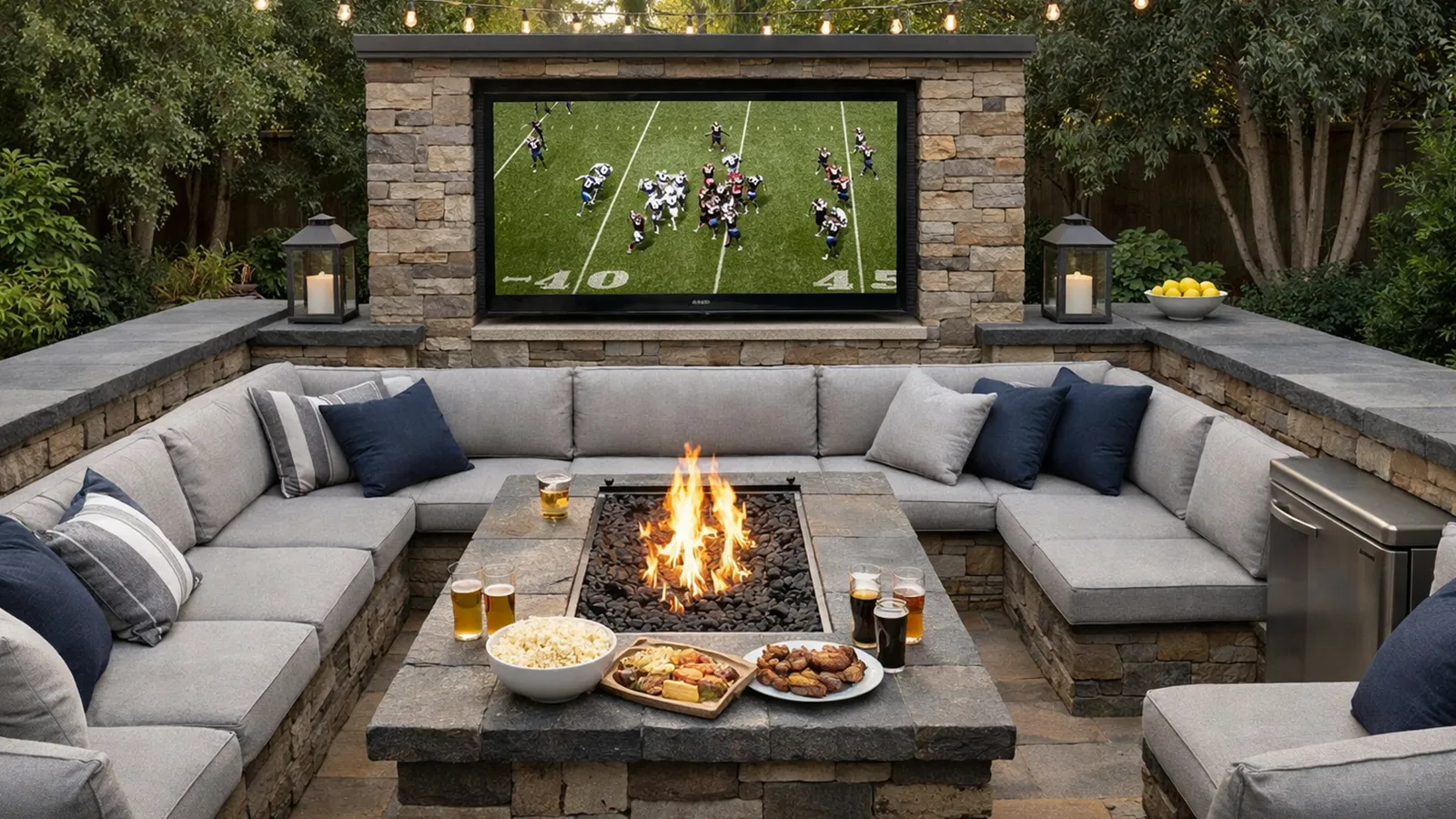
The limitation becomes clear when needs change. A dining-focused patio struggles to support casual lounging, or a lounge-oriented space lacks practical surfaces for meals or work. The design only works as long as life stays the same.
Fixed elements reinforce this rigidity. Built-in seating, permanent tables, or tightly defined zones reduce the ability to adapt without renovation. What once felt tailored starts to feel restrictive.
Long-term usefulness comes from spatial flexibility. A patio that allows multiple uses over time remains relevant without forcing constant redesign.
Underestimating Maintenance Demands Over Time
Maintenance pressure builds gradually. Surfaces that were easy to clean at first collect debris in tight joints, corners become hard to reach, and finishes demand more attention than expected. These tasks begin to feel repetitive rather than manageable.
As upkeep becomes more demanding, care routines slip. Cleaning happens less often, minor repairs are delayed, and wear accelerates. The patio’s condition declines not from neglect, but from unrealistic maintenance assumptions.
Design decisions shape this outcome. Accessible layouts, forgiving materials, and details that age gracefully reduce long-term effort without lowering quality.
Misaligning the Patio With the Rest of the Yard
The disconnect is usually felt while moving through the yard. Paths feel indirect, planting beds get stepped through, or visual lines clash instead of flowing. The patio exists, but it does not belong to the larger outdoor system.
This misalignment creates friction points that repeat daily. Movement avoids certain edges, transitions feel abrupt, and the yard loses cohesion. Over time, the patio becomes an island rather than a hub.
Integration requires broader thinking. When circulation, views, and spatial relationships align, the patio supports the yard instead of competing with it.
Assuming Lighting Can Be Fixed Later
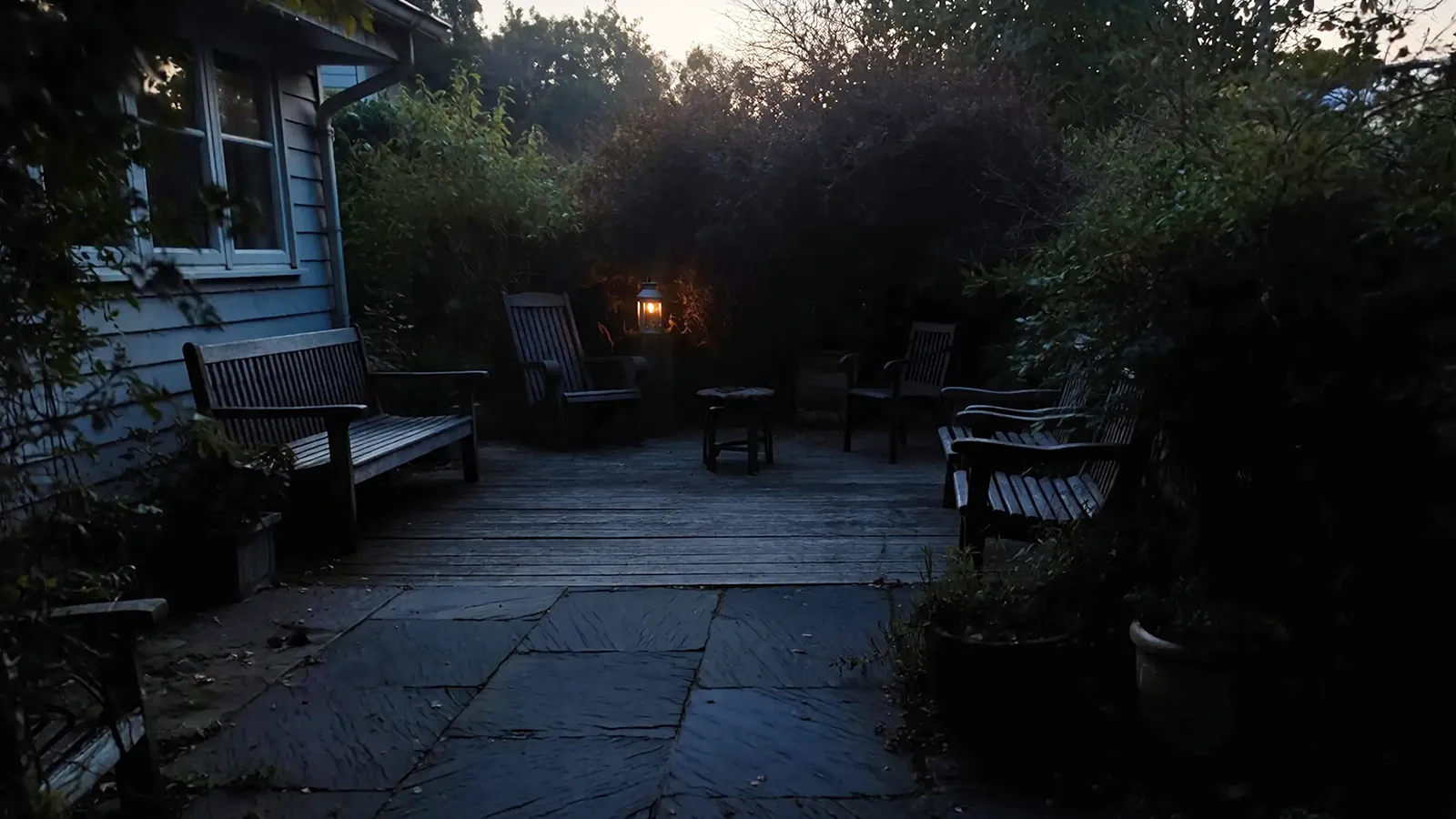
The limitation becomes obvious as daylight fades. Steps are harder to see, seating areas feel disconnected, and movement slows. The patio technically exists after sunset, but it no longer feels welcoming.
Temporary lighting fills the gap at first. Portable lamps, string lights, or single fixtures try to compensate, often unevenly. These solutions rarely address safety, comfort, and atmosphere at the same time.
Lighting planned from the beginning behaves differently. Integrated fixtures support evening use, define space, and extend the patio’s usefulness well beyond daytime hours.
Overbuilding Permanent Features Too Early
The issue often appears after the first few seasons of use. Built-in seating, fixed fire features, or permanent planters start to feel less helpful once daily habits shift. What once felt efficient becomes something people work around.
These elements reduce freedom in small but noticeable ways. Furniture cannot be moved to open space, activities adjust awkwardly, and the patio loses its ability to respond naturally to change. Over time, the cost of removing or altering these features becomes the real burden.
Permanent features age differently than flexible ones. When they are installed before real use patterns are clear, they tend to lock the patio into assumptions that no longer fit everyday life.
Misreading How the Patio Will Be Used Across Seasons
The difference is usually felt outside peak summer. A patio that works well in July feels underused in spring or fall because light, temperature, or wind shifts change how comfortable it is. The design still looks right, but the experience no longer matches.
Seasonal imbalance shortens usable time. People stop reaching for blankets, heaters, or shade because the space never feels quite right. Gradually, the patio becomes something used only on ideal days.
When seasonal behavior is misread, the patio loses consistency. A space designed with multiple seasons in mind stays relevant longer and feels dependable rather than occasional.
Treating Code and Setbacks as Afterthoughts
The problem usually surfaces during revisions or inspections. Adjustments to size, shape, or placement feel forced, not intentional. What was once a clear design becomes compromised under pressure.
Late compliance creates visual and functional strain. Awkward edges appear, proportions shift, and circulation feels constrained. These changes often remain visible long after construction is complete.
Codes and setbacks influence more than legality. When they are integrated early, they support clarity and balance instead of disrupting it later.
Underplanning Storage and Support Functions
The clutter appears slowly. Cushions lean against walls, tools gather in corners, and temporary containers take over usable space. None of it feels urgent at first, but it accumulates.
As storage remains unresolved, behavior changes. Setup and cleanup feel heavier, items wear out faster, and the patio feels less inviting. What should support use begins to interfere with it.
Support functions shape long-term comfort. When storage is considered part of the design, the patio stays calm, usable, and visually clear over time.
Forgetting How Surrounding Structures Affect Longevity
The warning signs are subtle at first. Moisture lingers near walls, materials discolor unevenly, and small gaps appear where surfaces meet. These details are easy to overlook in daily use.
Over time, those small signs compound. Water moves toward foundations, finishes deteriorate, and structural stress becomes harder to ignore. Repairs tend to address symptoms rather than causes.
Longevity depends on relationships between elements. Adequate spacing, proper slopes, and clear separation protect both the patio and the structures around it.
Assuming the Original Design Will Always Feel “Finished”
The shift usually happens quietly. The patio still functions, but it no longer feels current or flexible. New needs feel incompatible with a design that once felt complete.
A fully locked design leaves no room to grow. Updates feel disruptive, and small changes ripple across the space. The patio begins to age faster than the rest of the home.
Designs that allow layering age differently. When a patio can absorb change without losing coherence, it remains comfortable, relevant, and worth maintaining over the long term.
patio longevity design: https://landscapearchitecturemagazine.org/