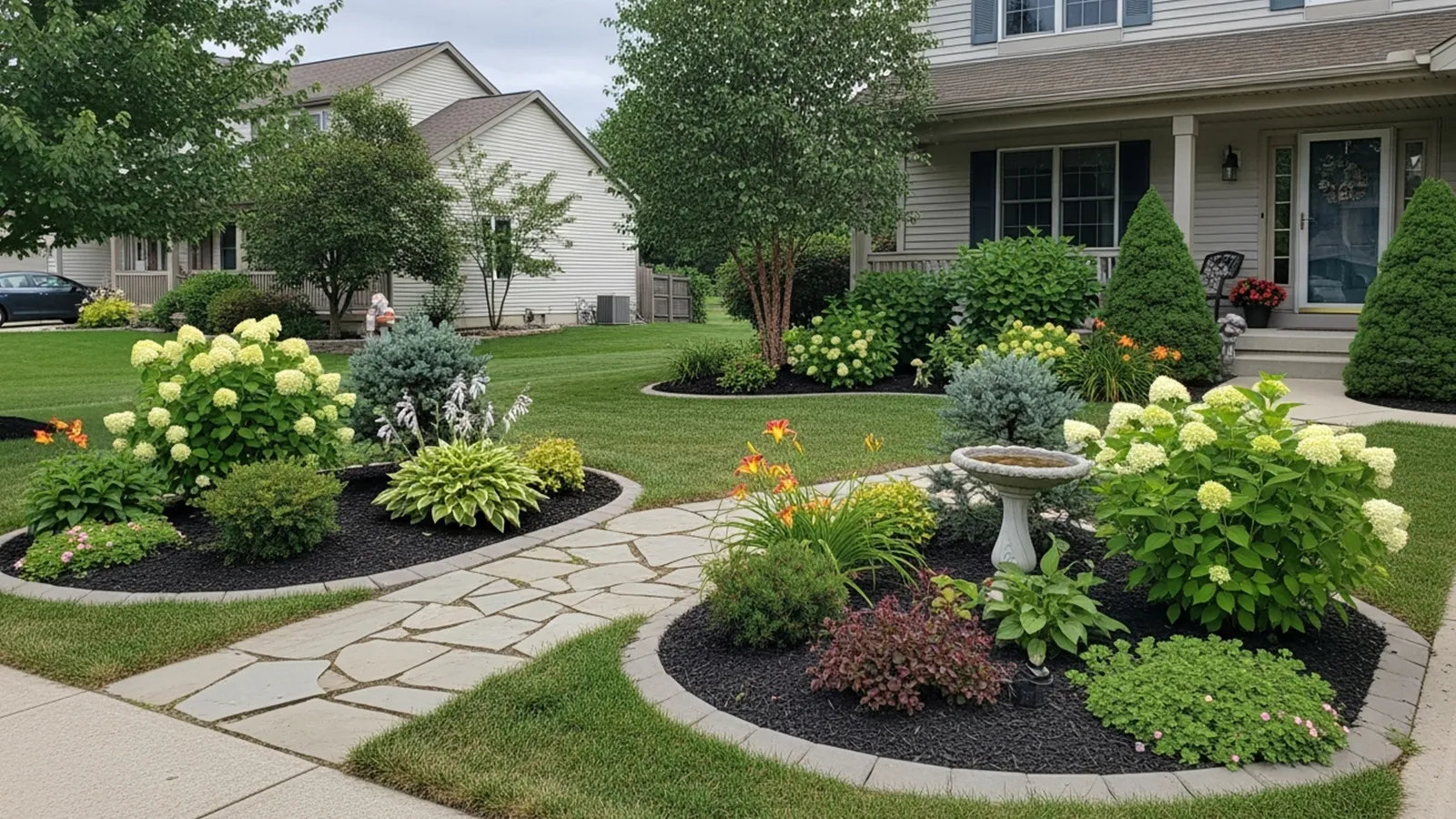
A simple front yard is not about doing everything at once. For beginners, the goal is to make a few solid decisions that hold up over time and reduce stress later. When the structure is right, the yard becomes easier to maintain and more forgiving as plants grow.
Many first-time homeowners want visible results quickly, especially when the front yard feels exposed. The most reliable way to get there is to start with clarity instead of decoration. Clear priorities lead to fewer mistakes and a yard that improves steadily rather than needing constant fixes.
This approach also respects real life. A front yard should support daily routines and feel manageable from the start, even if it is not “finished” yet.
Start With Observation Before Any Decisions
✔️ Observation is the fastest way to avoid beginner mistakes. Before buying anything, spend a few days noticing how your front yard actually behaves. Pay attention to patterns that repeat, not one-off moments.
A simple observation checklist helps focus attention without overthinking:
-
Where sunlight lasts more than six hours versus less than four.
-
Where water pools after rain and where soil dries quickly.
-
Which paths people naturally take from sidewalk to door.
-
Which areas feel most exposed to the street.
These details quietly determine what will succeed. Plants that match the yard’s real conditions need less correction later. Observation also builds confidence, because decisions are based on evidence rather than guesswork.
Define Clear Edges and Simple Shapes
⚠️ Clean edges do more for a beginner front yard than almost any plant choice. Clear boundaries between lawn, planting beds, and walkways immediately create order. Straight lines or gentle curves are easier to maintain and visually calmer than complex shapes.
From a practical standpoint, defined edges reduce ongoing work. Mowing is simpler, weeds are easier to control, and planting areas stay contained. This prevents small maintenance issues from piling up.
As a quick guideline, beginners do best when bed edges are easy to trace with the eye in one continuous line. If the edge feels confusing to follow, it usually looks confusing as well.
Limit Plant Variety and Use Repetition
💡 Repetition is one of the most effective tools for beginners. Choosing fewer plant types and repeating them across the yard creates cohesion without extra effort. It also simplifies care because similar plants tend to share needs.
A beginner-friendly plant mix often works best when it includes:
-
One structural shrub repeated in multiple spots.
-
One or two medium plants for filling space.
-
One low plant or ground cover to soften edges.
This limited palette makes it easier to learn how plants behave through the seasons. Problems become easier to spot and fix, and the yard feels calmer instead of busy.
Shape Privacy Without Closing the Yard
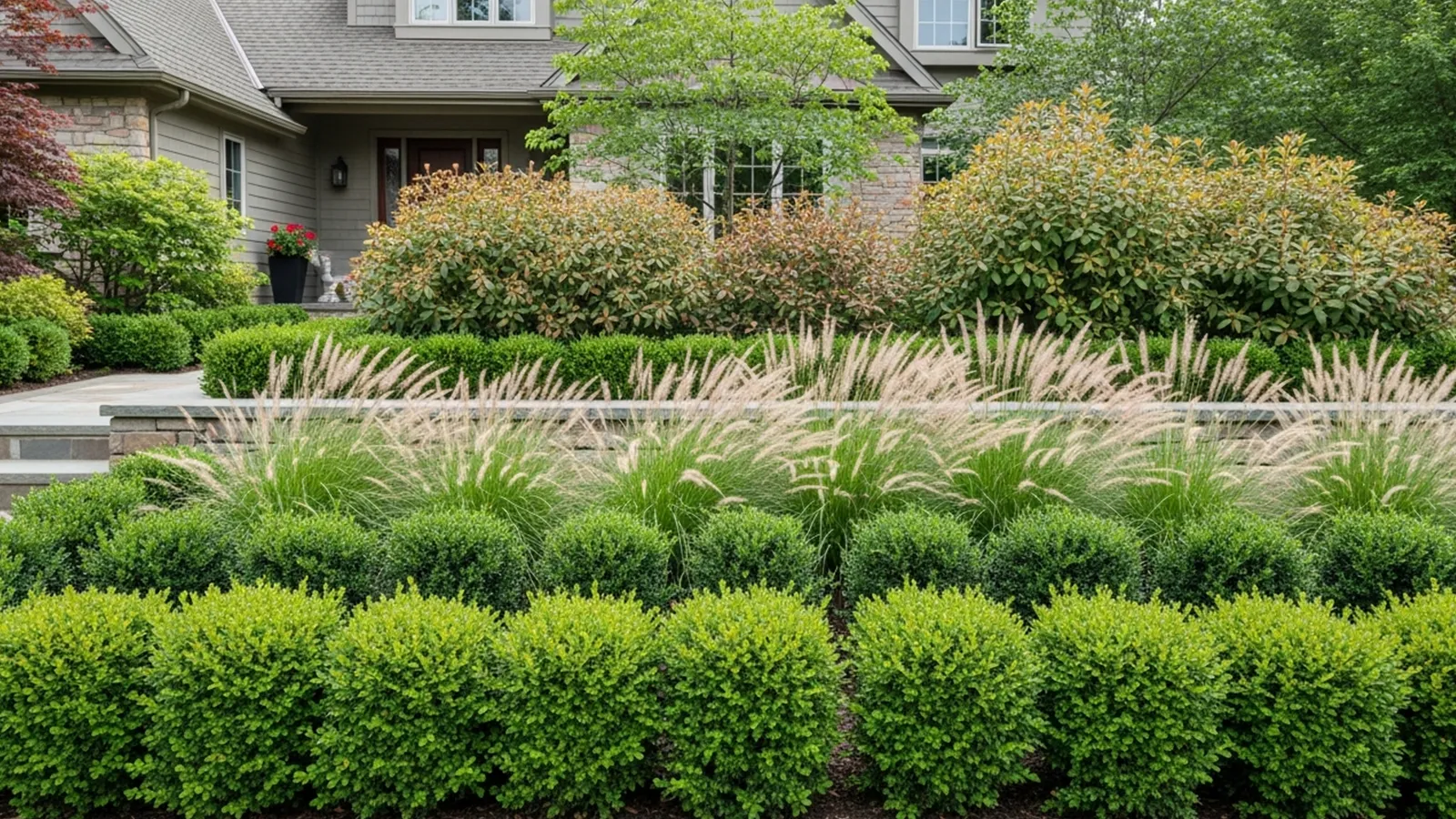
✔️ Privacy in a front yard works best when it feels subtle rather than defensive. Instead of blocking views completely, layering plants creates separation while keeping the yard open and welcoming. This is especially useful for beginners who want comfort without sacrificing curb appeal.
A practical rule is to keep lower plants closer to walkways and slightly taller ones nearer the house. This protects sightlines and avoids a boxed-in feeling. It also allows flexibility if plants grow faster than expected.
Many of these strategies are explored in Front Yard Landscaping for Privacy Without Fences, where privacy is achieved through placement and restraint rather than barriers.
Use Mulch and Ground Cover to Reduce Effort
🐾 Mulch and ground cover are quiet problem-solvers in beginner landscapes. Mulch immediately unifies planting beds, reduces weeds, and helps soil hold moisture. It also makes young plantings look intentional while they establish.
Ground covers are useful where grass struggles, such as near foundations or under shrubs. They stabilize soil and reduce bare patches that attract weeds. For beginners, this means fewer areas that demand constant attention.
Using one main mulch type and one ground cover throughout the yard keeps decisions simple and maintenance predictable.
Plan for Growth, Not Instant Fullness
❌ One of the most common beginner mistakes is planting too closely for instant impact. While it may look full at first, crowded plants quickly compete for light and space. This leads to extra pruning, stress, or replacement.
A simple spacing check is to imagine each plant at twice its current width. If they would touch, spacing is likely too tight. Leaving room allows plants to stay healthier and makes future adjustments easier.
Designing with growth in mind reduces frustration. A front yard that starts slightly open often looks better after a year than one that began overcrowded.
Build the Layout Around the Walkway and Entry
The front walkway already defines how people move through the yard, which makes it the most reliable starting point for layout decisions. For beginners, letting planting beds and open space respond to this path creates flow without complex planning. The walkway sets scale, direction, and priority automatically.
A helpful way to evaluate the layout is to stand at the sidewalk and trace the path to the door with your eyes. If the route feels visually supported rather than crowded, the layout is working. If plants interrupt movement or sightlines, adjustments are needed.
This approach keeps early decisions grounded. When the entry feels clear and intentional, the rest of the yard naturally falls into place.
Balance Lawn Areas With Planting Beds
✔️ Lawn works best as breathing space, not as the main feature. A modest lawn framed by planting beds keeps the front yard open while still adding structure. For beginners, this balance is easier to maintain than large, undefined grassy areas.
Planting beds placed along edges reduce mowing complexity and visually anchor the yard to the house. They also prevent the yard from feeling empty when plants are still young. This balance supports curb appeal without adding maintenance pressure.
A simple rule is that lawn should feel easy to cross, not dominant to look at. When grass starts to feel like wasted space, beds are usually too small.
Use Mulch and Ground Cover to Control Visual Noise
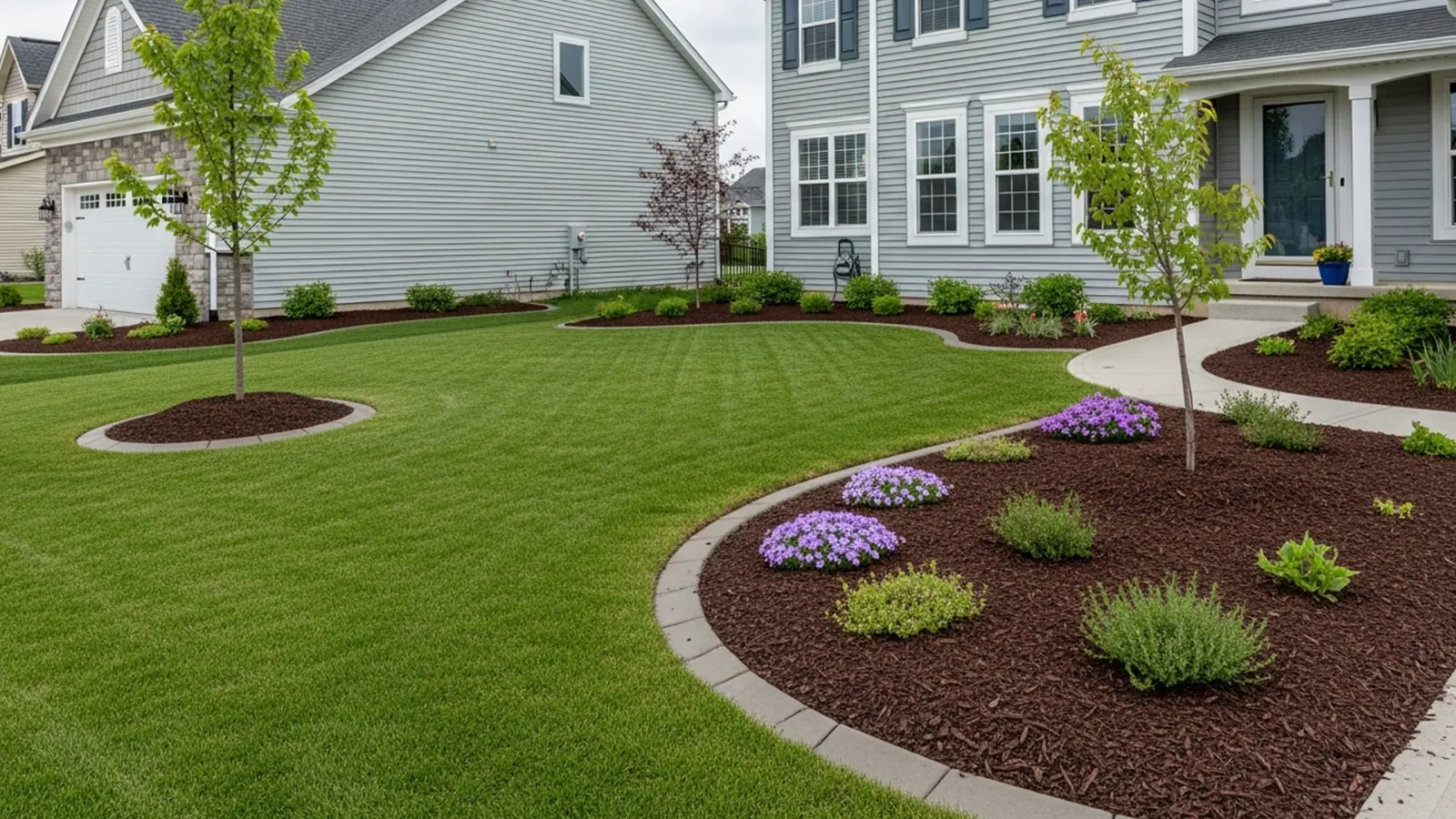
⚠️ Exposed soil and mixed materials are common sources of visual clutter. Mulch and ground cover act as stabilizers, making even young or uneven plantings feel intentional. This is especially valuable early on, when plants have not filled in yet.
Mulch reduces weeds and softens transitions between plants. Ground covers fill awkward gaps where grass struggles, such as near foundations or under shrubs. Together, they reduce the number of areas that demand frequent attention.
Consistency matters more than choice. One mulch type and one ground cover used throughout the yard create calm and prevent the space from feeling pieced together.
Focus on Reliable Seasons Instead of Short Peaks
💡 Plants that only look good for a brief window often disappoint beginners. A front yard built around seasonal reliability holds its structure across most of the year. Evergreen shrubs, dependable perennials, and ornamental grasses form a stable backbone.
This approach prevents the yard from feeling unfinished outside of peak bloom. Since front yards are visible year-round, consistency matters more than dramatic moments. Beginners who prioritize reliability avoid the cycle of constant replacement.
A simple filter helps: if a plant needs perfect timing or constant attention to look good, it may not belong in a beginner landscape.
Strengthen Curb Appeal With Controlled Contrast
✔️ Visual interest does not require bold color or complex combinations. Subtle contrast in texture, height, or form is usually enough. Pairing fine grasses with broader leaves or mixing upright and rounded shapes adds depth without clutter.
The key is restraint. One or two contrast strategies repeated across the yard feel intentional, while too many variations create noise. Beginners benefit from choosing contrast deliberately rather than experimenting everywhere.
This controlled approach supports long-term curb appeal, aligning well with ideas found in Front Yard Landscaping Ideas That Improve Curb Appeal, where balance matters more than decoration.
Leave Space for Growth and Adjustment
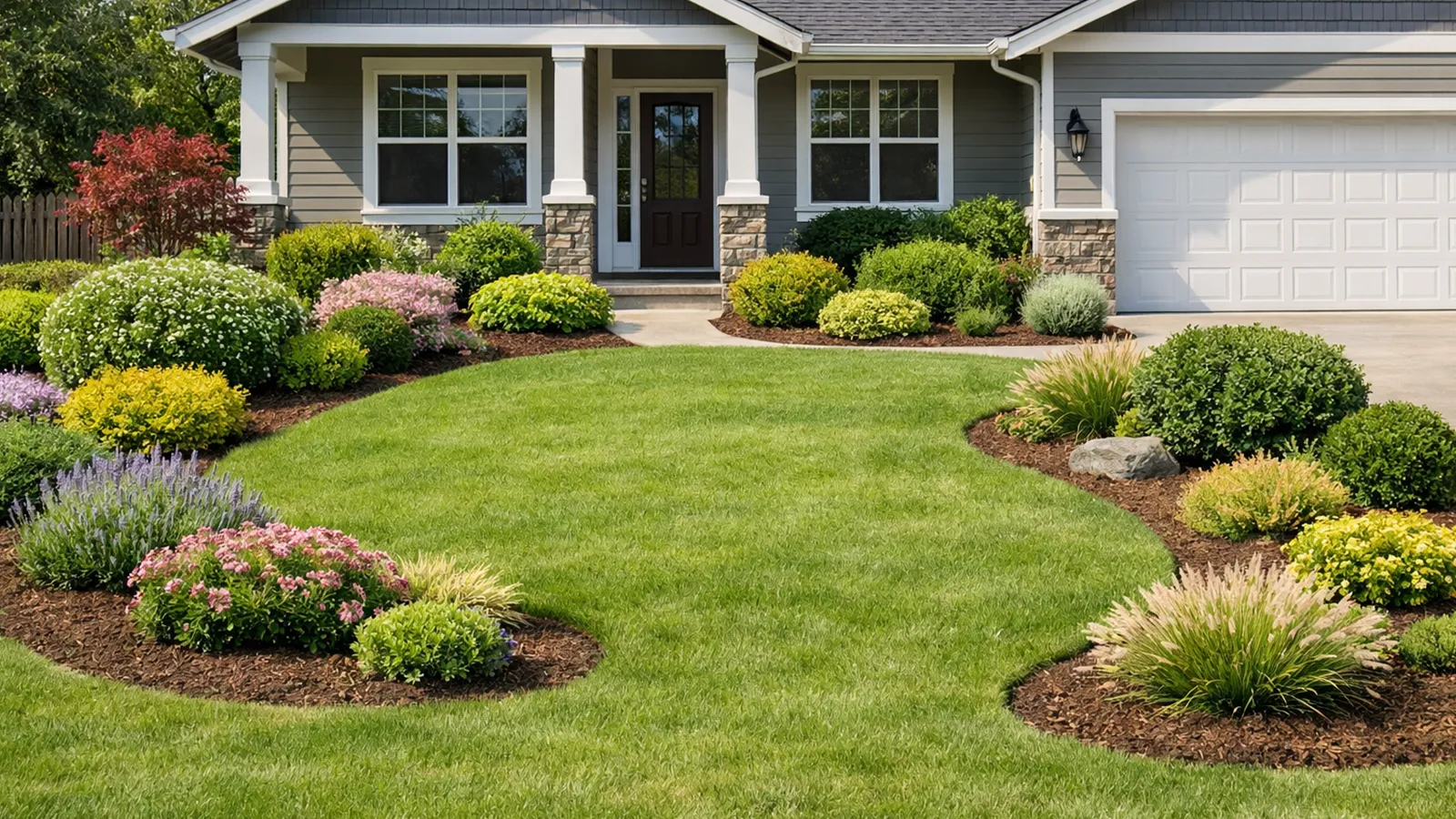
❌ Overcrowding is one of the most common beginner mistakes. Plants placed too closely may look full at first but quickly compete for light, air, and nutrients. This leads to extra pruning and stress later.
A quick spacing check is to imagine each plant at roughly double its current width. If that feels crowded, spacing is likely too tight. Leaving room protects plant health and makes future changes easier.
Open space also creates learning room. Beginners can observe growth patterns and adjust gradually instead of undoing the entire layout.
Use Lighting to Support Orientation and Safety
✔️ Lighting in a beginner front yard works best when it supports movement rather than becoming a feature on its own. Soft path lighting, subtle illumination near steps, and gentle emphasis around the entry help people navigate comfortably after dark. The goal is clarity, not decoration.
A common beginner mistake is adding too many lights too quickly. Overlighting flattens depth and pulls attention away from plants and structure. Fewer fixtures placed intentionally usually feel calmer and more polished.
Warm-toned lighting blends better with natural materials and greenery. It creates a welcoming feel while avoiding harsh glare that can make a yard feel exposed instead of inviting.
Keep Maintenance Zones Simple and Separate
⚠️ Landscaping becomes stressful when maintenance tasks overlap. Separating lawn areas, planting beds, and hard surfaces into clear zones makes care predictable. Each zone has its own rhythm, which is easier for beginners to learn and manage.
Clear zones also prevent accidental damage. Lawn tools stay away from planting beds, and watering can be adjusted without guesswork. This separation reduces small mistakes that often turn into recurring problems.
From a visual standpoint, zoning creates order. When each area has a clear role, the front yard feels calmer and more intentional.
Let the House Set Scale and Proportion
💡 The house itself offers reliable design guidance. Window height, rooflines, and exterior materials naturally suggest how tall plants should be and where visual weight belongs. Beginners who follow these cues avoid designs that feel disconnected.
A practical guideline is to keep lower plants near walkways and gradually increase height closer to the house. This reinforces proportion without complex measurements. It also keeps sightlines clear where movement matters most.
Using the house as a reference point reduces decision fatigue. It anchors the landscape and keeps choices within a natural range.
Limit Decorative Elements to Avoid Clutter
❌ Decorative items can quickly overwhelm a beginner landscape. Too many planters, ornaments, or accents compete with plants and disrupt visual flow. Restraint allows the landscape itself to remain the focus.
One well-placed decorative element near the entry often has more impact than several scattered pieces. Beginners benefit from choosing items that echo existing materials or shapes rather than introducing new ones.
An uncluttered yard adapts more easily as plants mature. Space allows growth to become the main source of visual interest over time.
Design for Everyday Use, Not Just Looks
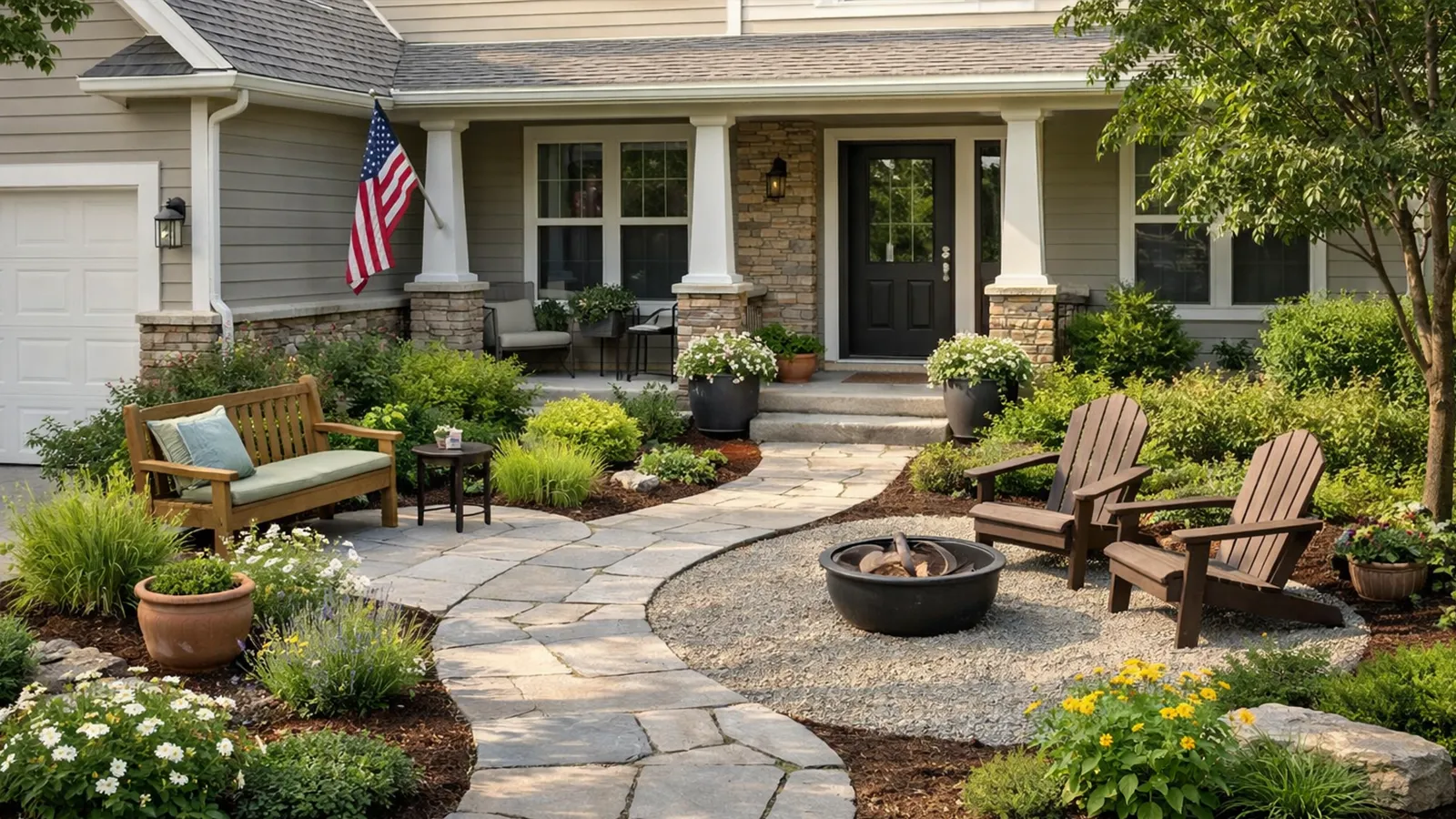
✔️ A front yard should support daily routines as much as appearance. Space to pause, greet neighbors, manage deliveries, or move comfortably through the yard adds lasting value. Designs that acknowledge real use tend to age better.
Thinking in terms of daily scenarios helps guide decisions. Clear paths, open sightlines, and uncluttered edges improve both usability and safety. Beginners who design for real habits make steadier, more sustainable choices.
This way of thinking aligns naturally with ideas explored in Designing Outdoor Spaces for Everyday Living, where comfort and function guide long-term success.
Accept Gradual Improvement as Part of the Process
💡 Confidence in landscaping grows through observation and adjustment, not instant results. Beginners who allow their front yard to evolve avoid unnecessary frustration. Small refinements over time lead to stronger outcomes than frequent redesigns.
Plants reveal their needs gradually. Learning from what thrives and what struggles builds practical understanding that no shortcut can replace. This experience shapes better decisions in future seasons.
A front yard that improves slowly often becomes more cohesive and personal. Patience allows simplicity to mature into character without forcing outcomes.
External source: https://www.epa.gov/green-infrastructure