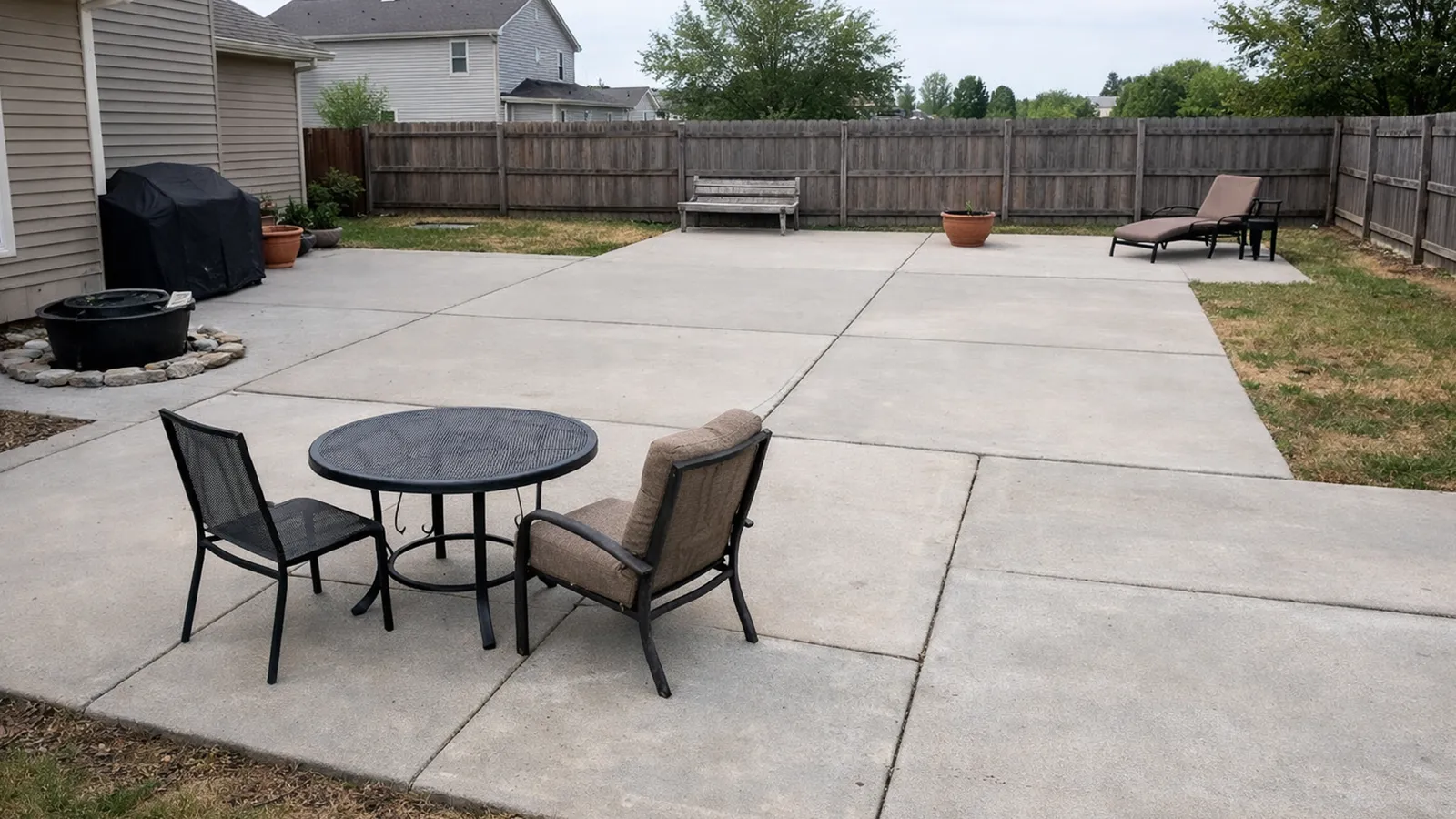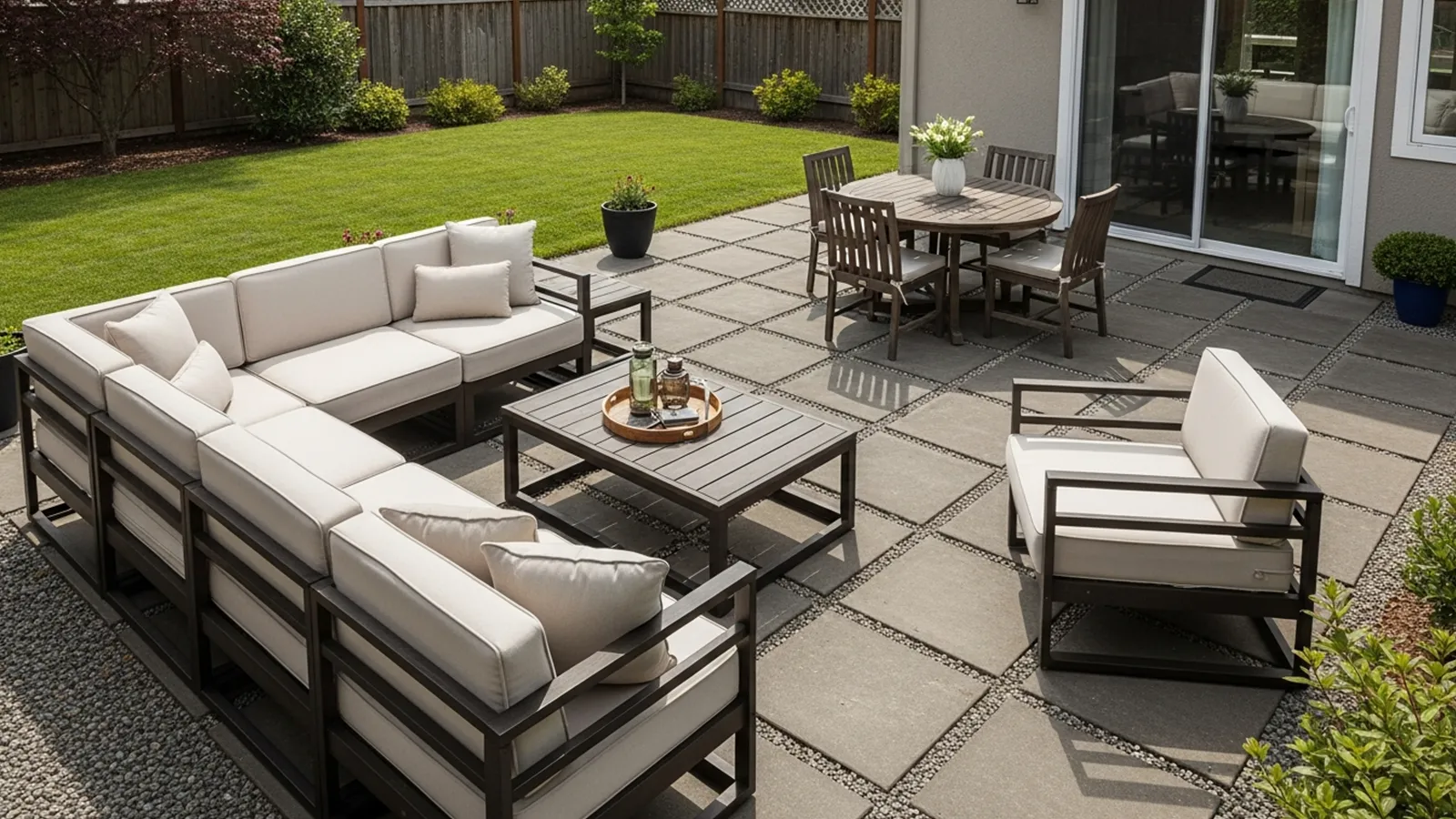
You step outside, look at the patio, and nothing seems obviously wrong. The furniture is there, the surface is finished, and everything appears complete. Still, you hesitate about where to sit or how to move through the space.
That hesitation usually shows up before any conscious judgment. Carrying a plate feels awkward, walking past chairs feels tight, or standing conversations drift into strange spots. These moments hint at layout problems long before people label them as design issues.
Most patios become difficult to use not because of poor materials or outdated style, but because everyday movement was never fully considered. Small layout decisions quietly shape how often the space is used and how comfortable it feels once people are actually in it.
Ignoring Natural Movement Paths
It becomes noticeable the first time someone walks across the patio and slows down without meaning to. Chairs interrupt the path, table corners catch clothing, or guests step off the surface just to get around each other. These are signs that natural movement was never mapped.
When circulation cuts through seating areas, the space starts working against itself. Everyday actions like carrying food, letting a dog pass through, or greeting guests create constant interruptions. Over time, people adjust their behavior rather than the layout, which makes the patio feel smaller than it is.
Movement problems usually show up in patterns such as:
-
People consistently walking the same unofficial routes.
-
Furniture being nudged out of alignment over time.
-
Guests pausing or rerouting mid-step.
Clear, intuitive paths allow movement to fade into the background. When circulation works, people stop thinking about how to get through the space at all.
Furniture That Dictates the Space Instead of Supporting It
The issue often becomes clear once people sit down and realize there is nowhere comfortable to stand. Oversized sectionals or bulky dining sets may look impressive, but they quietly consume more space than expected. Movement tightens, and flexibility disappears.
Instead of supporting use, furniture starts controlling it. Chairs must be pushed aside to pass through, and tables feel fixed even when gatherings change. The patio begins to feel rigid, as if it only works in one specific arrangement.
This shows up through everyday friction like:
-
Chairs scraping frequently during normal movement.
-
People perching rather than settling in.
-
Certain seats being avoided without explanation.
When furniture fits the layout rather than dominating it, the space becomes easier to adapt. Comfort increases not because there is more furniture, but because it finally works with the patio instead of against it.
Poor Relationship Between the Patio and the House
You notice it when stepping outside feels abrupt instead of fluid. Doors open into furniture, grills block exit paths, or the first step lands in an awkward spot. These transitions shape how often the patio is actually used.
When the patio does not align with how the house functions, small inconveniences add up. Carrying food outside feels clumsy, and guests hesitate at thresholds. Over time, people default to staying indoors even when the weather is good.
This disconnect often reveals itself through patterns like:
-
Traffic bottlenecks near doors.
-
Furniture constantly being adjusted near entry points.
-
Certain doors rarely being used to access the patio.
A patio that feels connected to the house supports daily routines instead of interrupting them. When movement in and out feels natural, the space becomes part of everyday life rather than a separate destination.
Overlooking Scale and Proportion
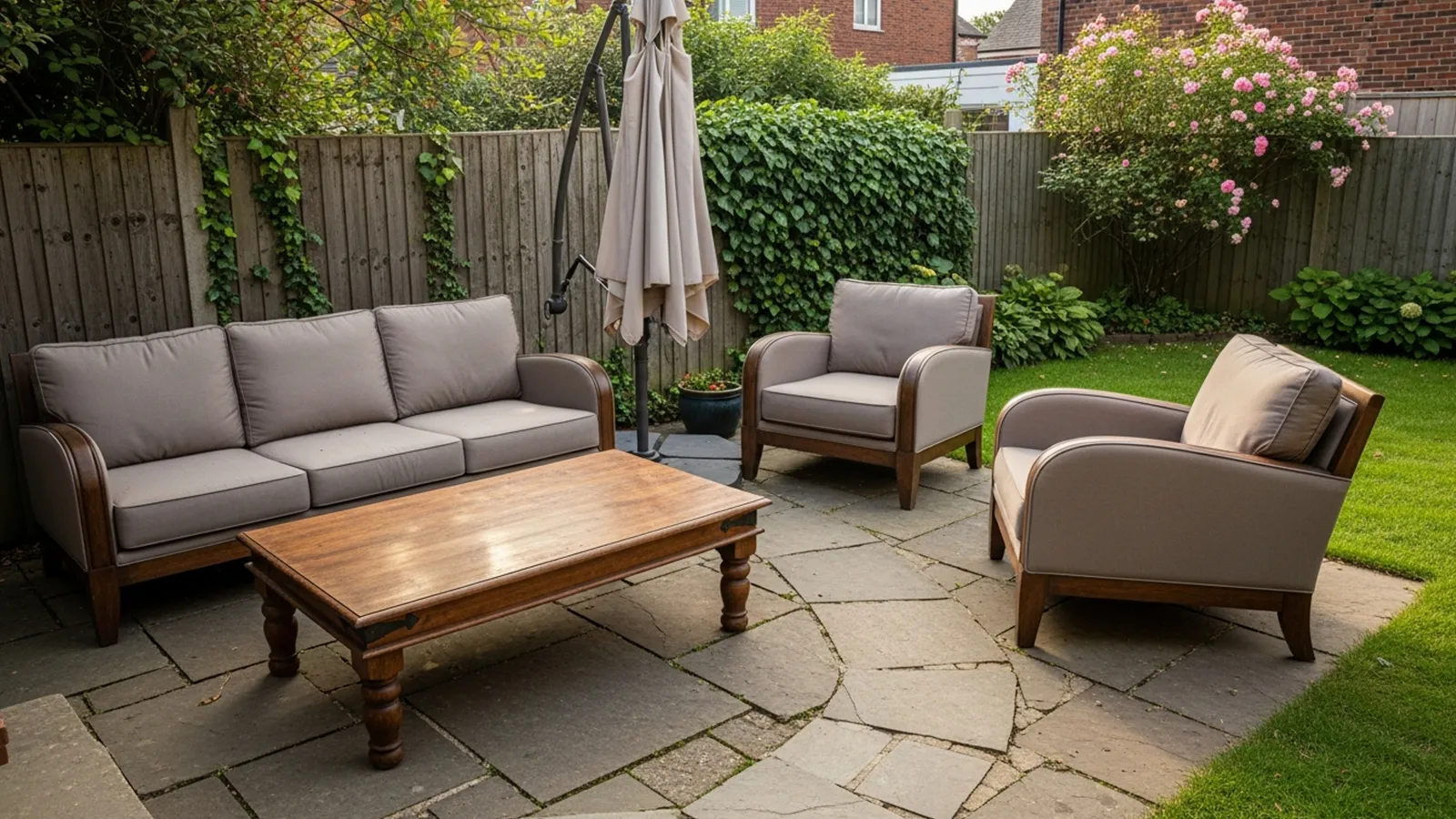
The imbalance becomes obvious once someone tries to stand up or walk past a seated group. Large furniture on a small patio compresses movement, while undersized pieces on a large slab leave the space feeling exposed. The issue is not size alone, but proportion.
When scale is off, comfort disappears quietly. Personal space shrinks, clearances vanish, and simple actions require extra awareness. Even well-made furniture feels wrong when the proportions do not match the surface.
Scale problems tend to show themselves through:
-
Narrow gaps that feel tighter over time.
-
Seating that feels visually heavy or oddly scattered.
-
A sense that the patio never quite settles.
Balanced proportions allow the patio to breathe. When spacing feels right, the entire layout feels calmer without changing a single material.
Designing for Looks Instead of Use
The problem often surfaces during gatherings, not during planning. Symmetry looks appealing on paper, but centered fire pits or decorative focal points can interrupt seating and circulation once people arrive. Guests instinctively rearrange themselves around comfort, not design intent.
What was meant to be visually striking becomes functionally awkward. Conversations break as people adjust positions, and movement cuts through social zones. Over time, the original layout loses relevance as behavior reshapes the space.
This tension shows up when:
-
Furniture drifts from its original placement.
-
Guests cluster away from intended focal points.
-
Certain design features go unused.
A layout that supports use tends to look better over time. When people move naturally, the patio stays orderly without constant correction.
Repeating Known Design Mistakes
Frustration often comes from realizing the issues feel familiar. Many patio problems repeat across homes because they appear harmless during planning. Once built, however, they create long-term limits that are hard to ignore.
Patterns emerge when patios fail in similar ways. Layouts that ignore circulation, scale, and daily routines age poorly regardless of style. Recognizing these recurring mistakes helps explain why some spaces never quite work.
Some of the most persistent outdoor layout issues stem from decisions that seem minor during planning but create lasting problems once the patio is in daily use. Seeing these patterns early makes it easier to understand why comfort problems rarely solve themselves without addressing the layout beneath them.
When Layout Ignores How the Space Is Actually Used
The problem usually appears after the patio has been finished for a while. It looks fine during occasional gatherings, but everyday use feels awkward. Morning coffee, quick meals, or stepping outside with a pet all reveal friction that was not obvious during planning.
Layouts often fail because they are built around a single ideal scenario. Real life is more varied, with different rhythms throughout the day. When the design does not account for this variety, the patio works only sometimes instead of most of the time.
This mismatch becomes noticeable through patterns such as:
-
Certain areas being used only during special occasions.
-
Daily activities feeling inconvenient or rushed.
-
People choosing alternate routes instead of the patio.
A usable layout supports frequent, casual use without requiring people to adapt their behavior.
Blocking Flexibility With Fixed Zones
You start to notice it when furniture feels locked in place. Dining stays in one corner, seating stays in another, and nothing can shift without causing disruption. The patio begins to feel smaller because it cannot respond to changing needs.
Fixed zones limit how the space adapts over time. Seasonal changes, different group sizes, or shifting sun angles all expose this rigidity. Instead of rearranging, people accept reduced comfort.
This lack of flexibility shows itself when:
-
Furniture is rarely moved despite discomfort.
-
One area is overused while others sit empty.
-
Seasonal use drops sharply without a clear reason.
Layouts that allow slight overlap and adjustment age better. They give the patio room to respond rather than resist.
Forgetting About Edge Conditions
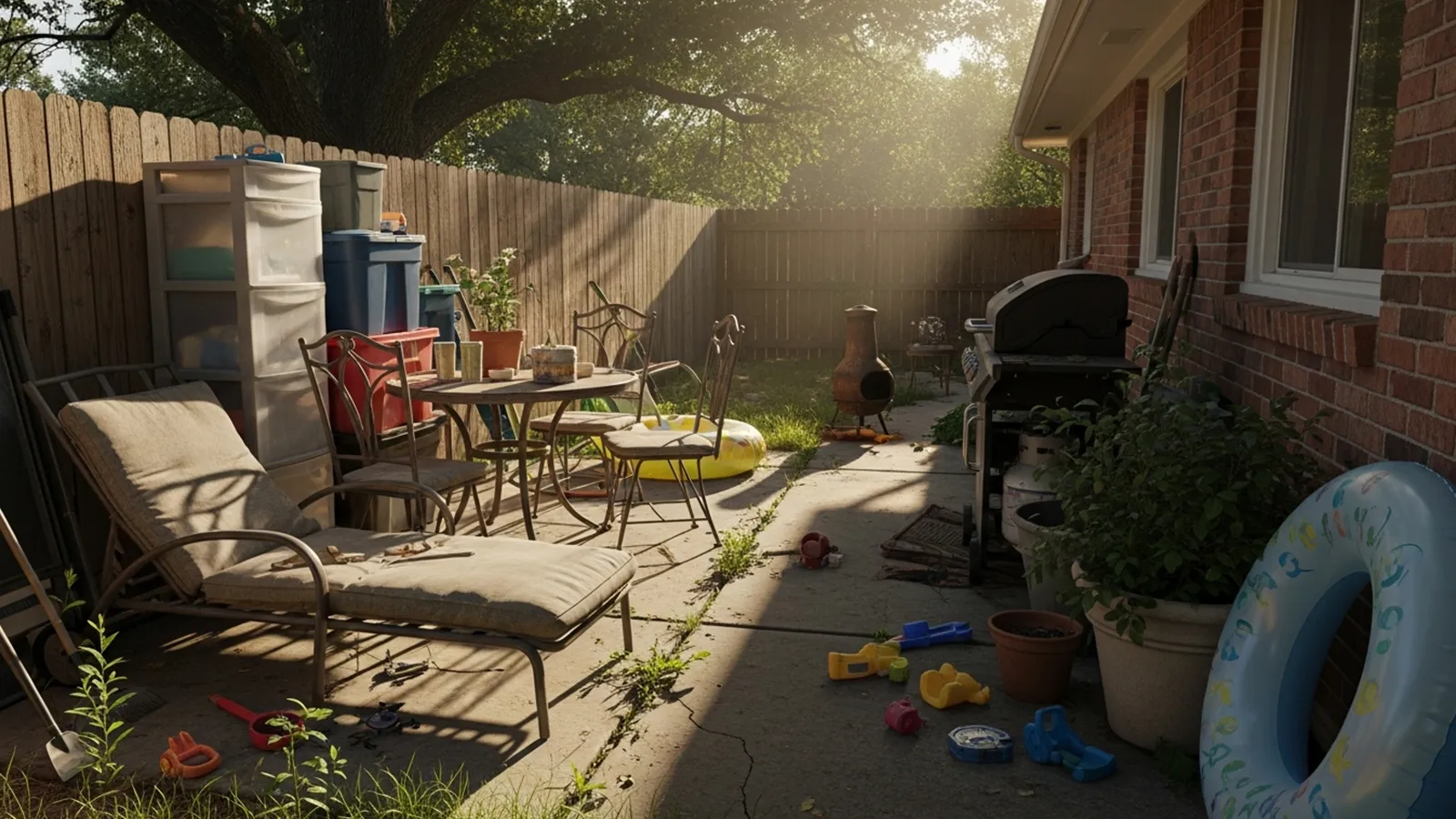
It becomes clear when people avoid sitting near the edges. Hard boundaries feel exposed, while crowded edges restrict movement. Both conditions push activity toward the center, shrinking usable space.
Edges often meet planting beds, fences, or grade changes. When these transitions are awkward, they create dead zones that feel unsafe or inconvenient. These areas rarely support real use.
Edge issues tend to show up as:
-
Narrow strips that never get used.
-
Furniture pulled inward over time.
-
Visual clutter along boundaries.
Well-considered edges quietly support comfort. When they work, people stop noticing them altogether.
Misjudging Activity Overlap
Congestion usually shows up during gatherings. Cooking, dining, lounging, and walking all compete for the same area. People hesitate, wait, or shift positions to avoid heat, smoke, or foot traffic.
Overlapping activities create constant micro-interruptions. Conversations pause, movement feels intrusive, and the patio loses its relaxed quality. Even generous spaces suffer when functions collide.
This conflict becomes visible through:
-
Guests rerouting around active zones.
-
Cooks feeling boxed in.
-
Seating areas feeling unstable.
Separating activities through spacing and orientation reduces tension without isolating people from one another.
Overdesigning Small Spaces
The strain appears when too many features are packed into a limited area. Fire pits, dining tables, lounges, and planters all compete for attention. Individually appealing elements overwhelm the layout when combined.
Small patios feel stressful when overdesigned. Movement tightens, comfort drops, and the space feels busy rather than inviting. Removing elements later rarely solves the underlying issue.
Overdesign often reveals itself as:
-
Constant rearranging that never feels right.
-
Areas that look finished but go unused.
-
A sense that the patio is doing too much.
Fewer elements placed with intention allow each feature to work properly.
Ignoring Long-Term Wear Patterns
Wear becomes noticeable long before the patio feels old. Certain paths fade faster, furniture scuffs appear in the same spots, and surfaces age unevenly. These marks reveal where the layout forces repeated movement.
Uneven wear increases maintenance demands. Materials fail sooner, and the patio starts to look tired despite care. These issues are rarely caused by material choice alone.
Wear patterns usually point to:
-
Circulation cutting through active areas.
-
Tight clearances concentrating foot traffic.
-
Movement paths that were never planned.
Layouts that distribute movement naturally tend to age more evenly and stay comfortable longer.
When the Layout Fights Comfort Instead of Supporting It
You feel it when sitting never quite turns into relaxing. Chairs look fine but feel slightly off, and people shift their weight more than expected. Nothing is clearly wrong, yet no one settles in for long.
This discomfort usually comes from how the layout handles orientation and spacing. Seating angles, distances, and exposure quietly shape how long people stay put. When comfort is not supported by layout, the patio becomes a place people pass through instead of linger.
This tension often shows up as:
-
Frequent posture changes while seated.
-
People choosing the same few “good” spots.
-
Conversations staying shorter than expected.
Comfort-friendly layouts allow people to relax without adjusting or negotiating the space.
Poor Sightlines That Disrupt the Experience
It becomes noticeable once people sit down and start looking around. Instead of facing greenery or open space, they end up staring at fences, service areas, or cluttered corners. The view subtly drains energy from the space.
Sightlines also affect how people interact. When seating angles block eye contact or turn people away from each other, conversation feels less natural. Guests compensate by turning chairs, which disrupts the layout.
Sightline issues usually reveal themselves when:
-
Furniture is regularly rotated by users.
-
People avoid certain seats without explanation.
-
The patio feels visually flat or disconnected.
Layouts that respect where people look feel calmer and more engaging without adding new elements.
Creating Dead Zones That Never Get Used
You notice it when certain areas never quite earn a purpose. Narrow strips behind furniture, tight corners, or leftover symmetry gaps stay empty no matter how the patio is arranged. They exist, but they do not contribute.
These dead zones quietly steal space from active areas. Movement compresses elsewhere, and seating feels tighter than it should. Over time, clutter or neglect fills the gap.
Dead zones often appear as:
-
Corners no one chooses to sit near.
-
Spaces that collect objects instead of people.
-
Layouts that feel inefficient despite enough square footage.
Effective layouts leave very little unused space. Every area supports movement, comfort, or visual balance.
Layouts That Ignore Weather Reality
The issue becomes clear as the day progresses. A seat that felt fine in the morning becomes uncomfortable in afternoon sun or shifting wind. The layout offers no alternative place to move.
Weather patterns repeat daily and seasonally. When layouts assume constant conditions, large portions of the patio become temporarily unusable. People adapt by abandoning the space instead.
This limitation shows up when:
-
Seating is avoided at predictable times of day.
-
Shade or shelter feels mismatched to use.
-
Seasonal use drops sharply.
Layouts that acknowledge weather variation remain usable across more moments, not just ideal ones.