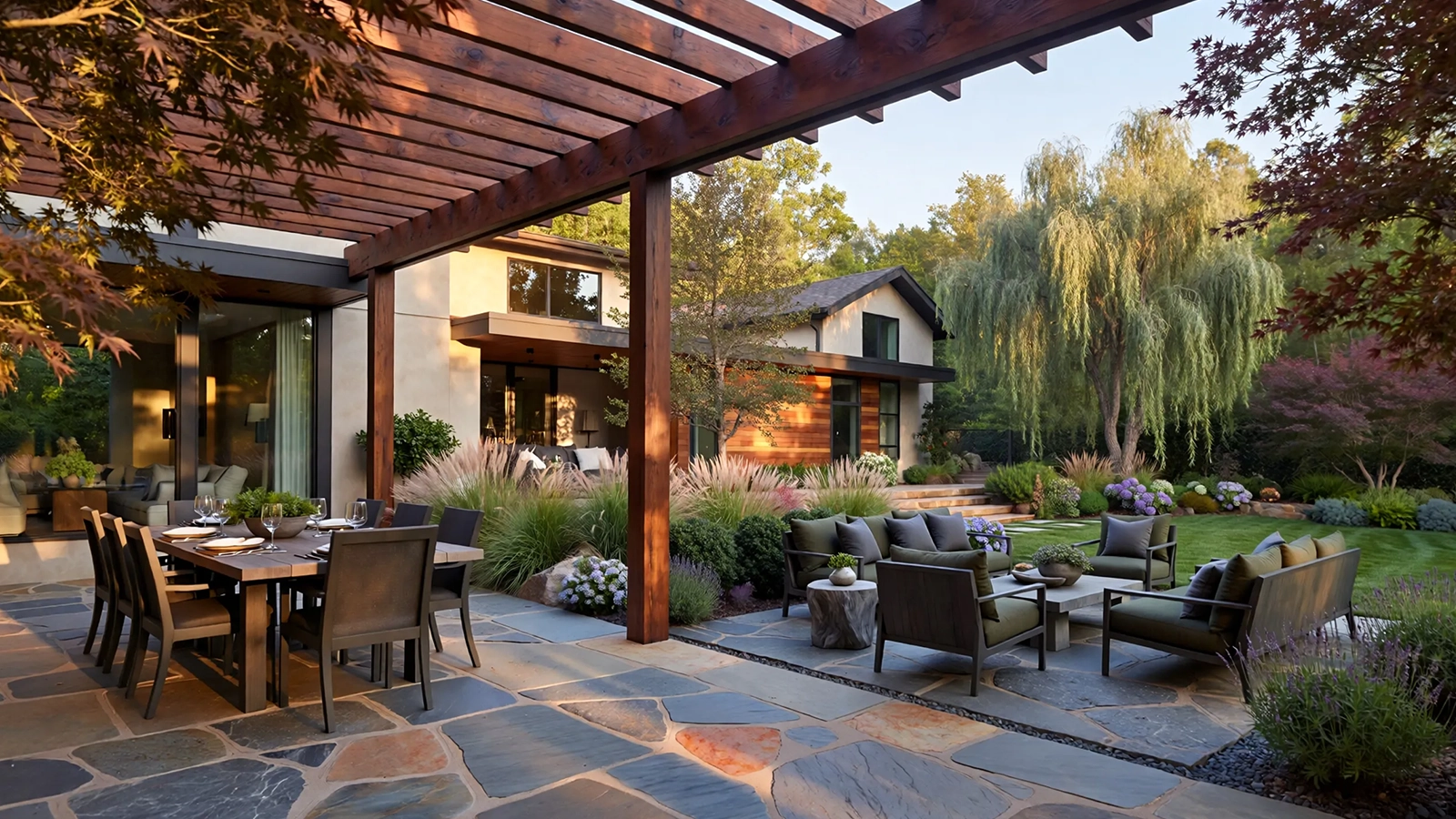
A well-planned backyard is less about size and more about intention. Whether you’re working with a compact suburban lot or a wide-open property, the way your outdoor space is organized determines how often it’s used and how comfortably it supports daily life. Functional outdoor living doesn’t mean sacrificing beauty. It means designing with clarity, purpose, and a deep understanding of how people actually move, gather, rest, and recharge outdoors.
The most successful backyard layouts feel intuitive. You don’t have to think about where to sit, where to cook, or where kids can play. The space guides you naturally. Achieving that sense of ease starts long before choosing furniture or plants. It begins with structure.
Understanding how you really use your backyard
Before sketching paths or imagining pergolas, step back and observe. The best layouts are rooted in honest habits, not aspirational ones.
Ask yourself a few grounding questions:
-
Do you host often, or is the yard mainly for everyday family use?
-
Are meals outdoors occasional or routine?
-
Do you crave quiet corners, active zones, or a balance of both?
-
Will the space need to adapt as seasons or life stages change?
These answers shape everything that follows. A backyard designed around real patterns will always feel more comfortable than one built around trends.
Interestingly, homeowners who take this reflective approach outdoors often apply similar principles elsewhere on their property, which is why many find it helpful to think about how exterior spaces work together as a whole. Many homeowners who care about backyard flow also pay close attention to how the space in front of the home sets expectations, which is explored further in thoughtful discussions about creating a welcoming and visually balanced approach from the street.
The foundation of functional layout: outdoor zones
At the heart of functional outdoor living is zoning. This doesn’t mean rigid separation. It means giving each activity a clear home while maintaining visual and physical connection.
Most backyards benefit from three core zones:
-
A social zone for dining and entertaining
-
A relaxation zone for lounging or quiet moments
-
A utility or flexible zone for play, gardening, or storage
When these zones are clearly defined, the backyard feels larger and more intentional. When they blur without purpose, the space often feels chaotic or underused.
Creating a natural flow between zones
Flow is what separates a backyard that looks good from one that feels right. Good flow allows people to move easily without cutting through awkward areas or disrupting others.
Think in terms of movement:
-
From the house to the main gathering area
-
From dining to lounging without crossing play zones
-
From high-traffic paths to quieter corners
Paths don’t always need to be literal walkways. Changes in surface material, subtle elevation shifts, or even planting density can guide movement without formal hardscaping.
A common mistake is placing too much emphasis on symmetry. Real life is rarely symmetrical. Asymmetrical layouts often feel more organic and forgiving, especially in yards with irregular boundaries.
Prioritizing the relationship between indoors and outdoors
The transition from interior to exterior sets the tone for the entire backyard. Functional layouts treat this threshold with care.
The most used outdoor zone should typically be closest to the house. For many families, that’s the dining or multipurpose seating area. When the primary outdoor space is easy to access, it naturally becomes part of daily life rather than a destination reserved for special occasions.
Pay attention to:
-
Door placement and swing direction
-
Sightlines from inside the home
-
Shade and wind conditions near the house
If stepping outside feels effortless, the backyard becomes an extension of the home rather than a separate environment.
Designing for scale, not square footage
Large yards can feel empty. Small yards can feel rich and layered. Scale, not size, determines comfort.
Furniture that’s too large overwhelms smaller spaces. Furniture that’s too small feels lost in larger ones. The same principle applies to planting beds, structures, and even lawn areas.
A helpful guideline:
-
Break large spaces into smaller “rooms”
-
Keep proportions consistent within each zone
-
Allow negative space so the eye can rest
This approach creates intimacy without clutter and openness without emptiness.
Anchoring each zone with a clear focal point
Every functional area benefits from a visual anchor. This doesn’t need to be dramatic. It simply needs to give the zone a sense of purpose.
Examples include:
-
A dining table centered under a pergola
-
A fire feature grounding a seating area
-
A tree or sculptural plant defining a quiet corner
Focal points help people instinctively understand how a space is meant to be used. Without them, zones can feel temporary or undefined.
Using structure to create comfort
Functional outdoor living depends heavily on comfort, and comfort often comes from structure.
Vertical elements like pergolas, privacy screens, trellises, or even tall plantings:
-
Provide shade and wind protection
-
Define space without enclosing it fully
-
Add a sense of shelter that encourages longer use
These elements are especially valuable in open yards where boundaries feel vague. Structure creates psychological comfort as much as physical comfort.
Planning with future flexibility in mind
Life changes. Kids grow. Entertaining styles evolve. A smart backyard layout allows for adjustment without complete redesign.
Build flexibility into the plan by:
-
Leaving open lawn or patio space that can adapt
-
Choosing movable furniture where possible
-
Avoiding overly specialized layouts that limit use
A backyard that can evolve will stay relevant longer and feel less restrictive over time.
The role of plants in functional layout
Plants aren’t just decorative. They are spatial tools.
Strategically placed plantings can:
-
Separate zones without hard barriers
-
Soften transitions between areas
-
Improve privacy and acoustic comfort
Think in layers. Low plants define edges. Mid-height plants guide movement. Taller plants create enclosure and backdrop. When planting supports layout, the entire yard feels more cohesive.
Starting with clarity before creativity
The most beautiful backyards begin with clear thinking. When function leads, aesthetics follow naturally.
Before choosing finishes or features, make sure the layout answers these core needs:
-
Can people move comfortably?
-
Does each zone have a clear purpose?
-
Is the space easy to use day to day?
Once those questions are resolved, creativity has a strong foundation to build on.
Establishing your primary outdoor living zone
Not every area can be the star. Functional layouts choose a primary zone and let others support it.
For most homes, this is the area used most frequently. It might be:
-
A dining space for shared meals
-
A lounge area for relaxing evenings
-
A flexible zone that combines seating and light activity
This zone deserves the best placement, the most comfort, and the strongest connection to the house.
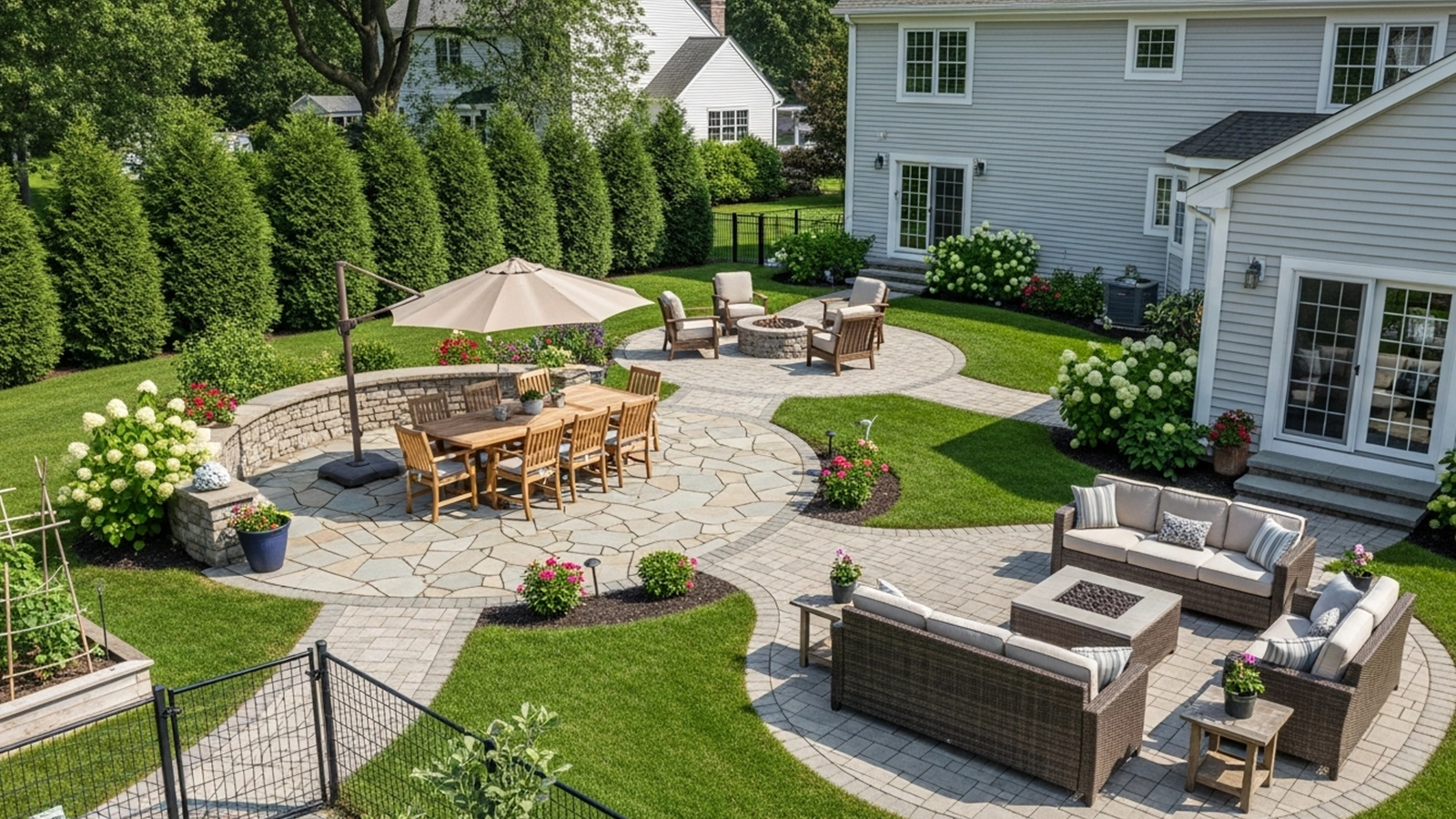
When this main area is well-designed, the rest of the backyard naturally falls into place around it. Secondary zones become more intuitive, circulation becomes smoother, and the entire outdoor space feels intentional rather than improvised.
Functional outdoor living is not about filling every corner. It’s about giving each part of the yard a reason to exist. With a thoughtful layout, even the simplest backyard can support richer, more meaningful time outdoors.
Designing a backyard that truly works often reveals its challenges only after the initial excitement fades. Once zones are defined and major elements are placed, real-life friction points begin to surface. These are not failures of design but natural opportunities for refinement. A functional outdoor layout anticipates these moments and resolves them quietly, without drawing attention to the solution itself.
When good layouts still feel slightly off
Many backyards look complete on paper yet feel awkward in daily use. The issue is rarely the size of the space. More often, it’s the relationship between zones and the environmental conditions surrounding them.
Common friction points include:
-
Seating areas that feel exposed at certain times of day
-
Dining spaces that are too far from the kitchen
-
Play areas that interrupt quieter zones
-
Pathways that cut through gathering spaces
Addressing these issues requires moving beyond basic zoning and into environmental awareness.
Sun, shade, and the reality of daily comfort
Sun exposure is one of the most underestimated factors in backyard functionality. A layout that works beautifully in the morning may feel unusable by afternoon.
Observe how sunlight moves across your yard throughout the day. Notice where shadows fall naturally and where heat accumulates. Functional layouts respond to these patterns rather than fighting them.
Strategies that work well include:
-
Placing dining areas where they receive partial shade during peak hours
-
Locating lounging zones where evening light feels warm, not harsh
-
Using trees, pergolas, or shade sails to soften unavoidable exposure
Shade structures should feel integrated, not added as an afterthought. When shade aligns with use, comfort increases dramatically.
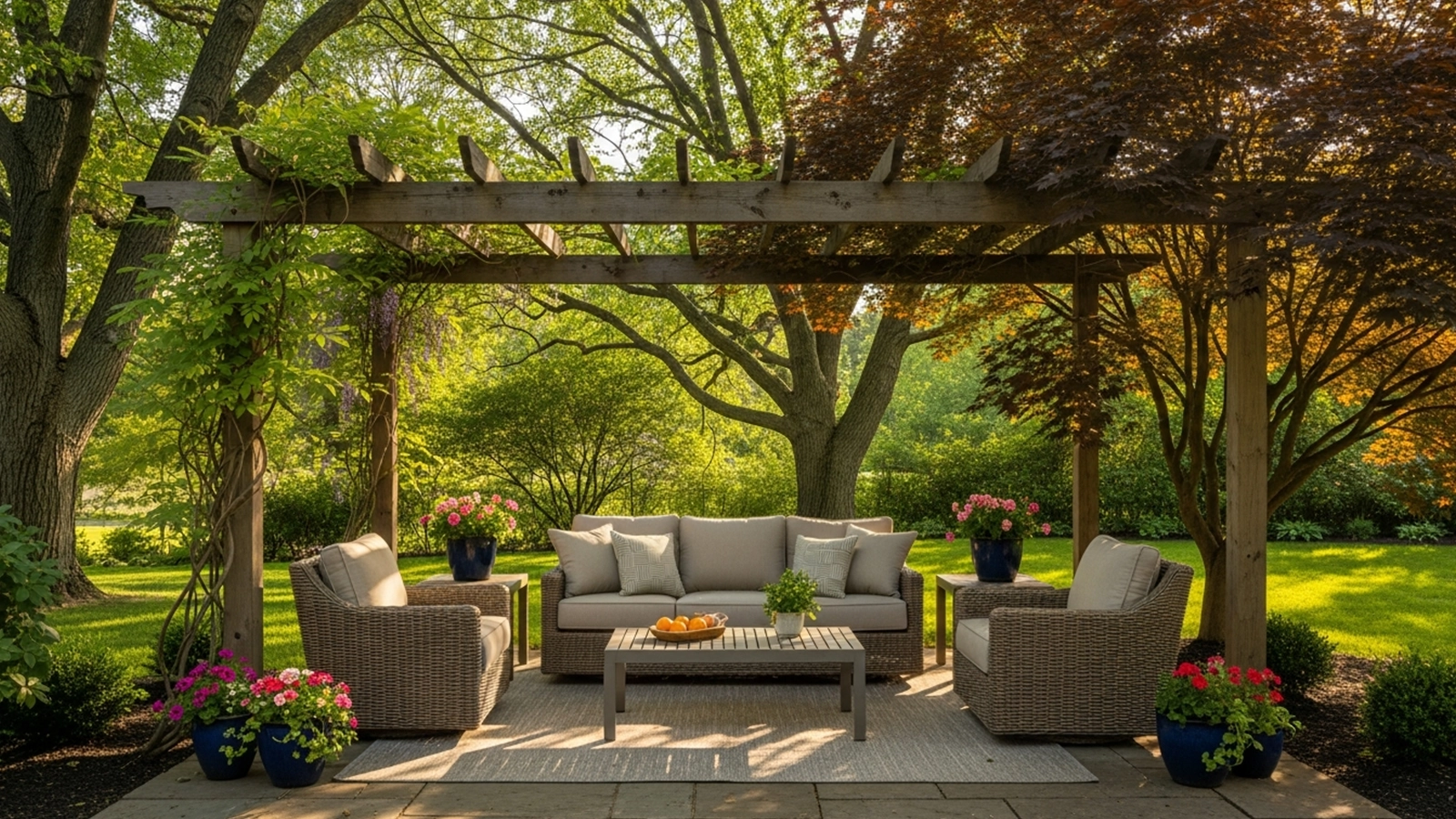
Managing privacy without closing the space
Privacy is essential for relaxation, but too much enclosure can make a yard feel boxed in. The goal is selective screening, not total isolation.
Instead of solid fencing everywhere, consider:
-
Layered plantings that filter views rather than block them
-
Vertical elements placed only where privacy is needed
-
Changes in elevation that naturally obscure sightlines
Privacy works best when it’s directional. Shield seating areas from neighbors’ windows while leaving open views toward gardens or sky.
This principle mirrors how exterior spaces work together across a property. Thoughtful homeowners often notice that balancing openness and privacy outdoors is just as important in the front of the home, where layered design choices help manage exposure while still feeling welcoming.
Sound, activity, and emotional comfort
Noise travels differently outdoors. A functional layout accounts for sound as much as movement.
Play areas, water featurescik features, and entertaining zones generate energy. Quiet corners absorb it. Placing these areas with intention prevents emotional conflict within the space.
Helpful approaches include:
-
Locating play zones away from relaxation areas
-
Using plant massing to soften sound
-
Introducing water features to mask unwanted noise
Even small changes in placement can dramatically improve how a backyard feels during shared use.
Rethinking circulation when habits change
Over time, people carve their own paths. When foot traffic consistently avoids your intended walkways, the layout is sending feedback.
Instead of forcing behavior, adapt the design:
-
Align paths with natural movement patterns
-
Widen frequently used transitions
-
Remove obstacles that interrupt flow
Functional outdoor living evolves through observation. The best layouts listen.
Creating secondary zones that actually get used
Secondary zones often fail not because they’re unnecessary, but because they lack clarity.
A quiet corner without a clear purpose quickly becomes forgotten. Giving secondary areas a simple identity makes them inviting.
Examples include:
-
A reading nook with a single chair and side table
-
A morning coffee spot catching early light
-
A small garden workspace with a bench
These spaces don’t need to be large. They need to feel intentional.
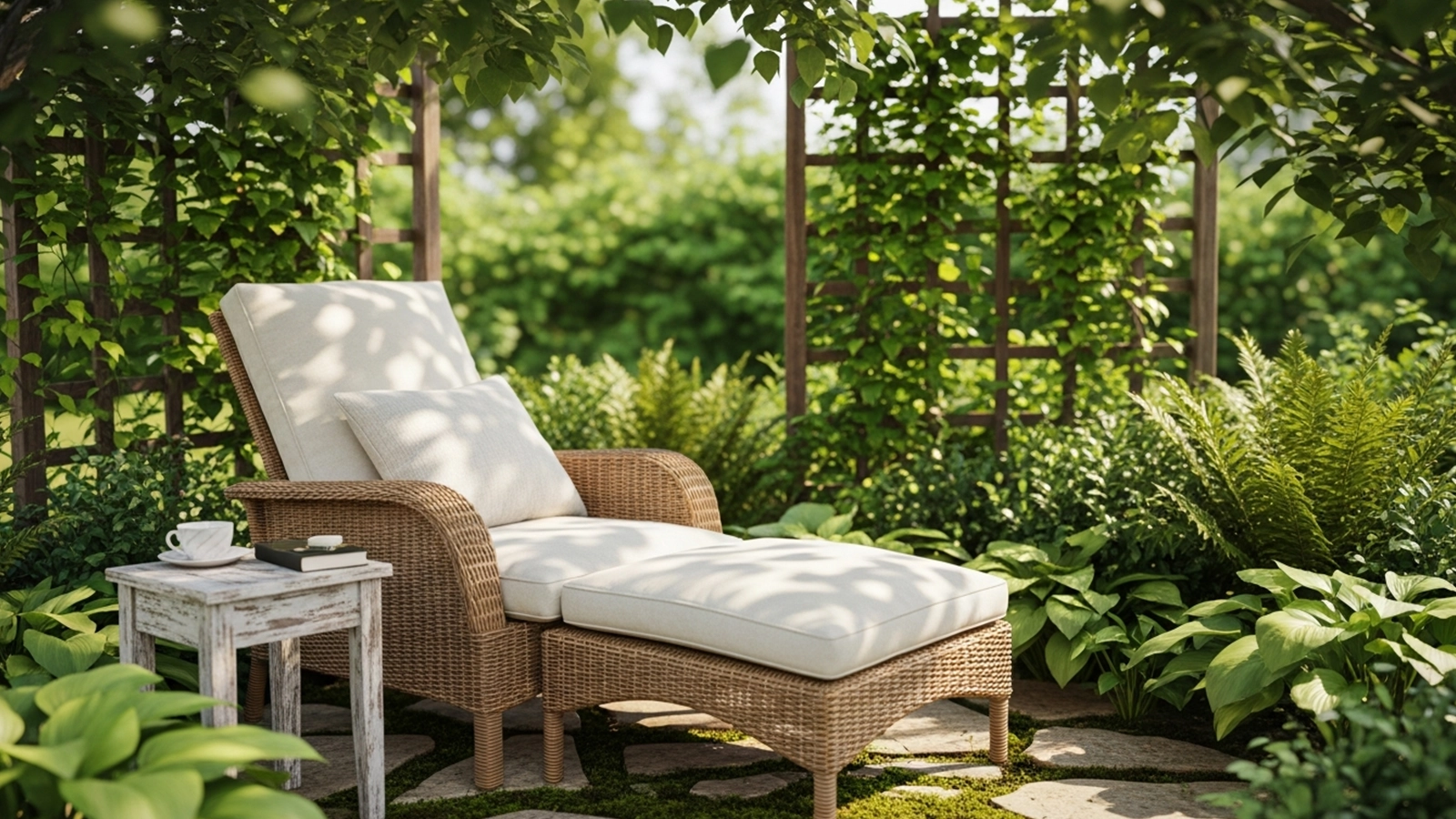
Weather patterns and seasonal flexibility
Functional layouts respect climate without becoming rigid. Wind, rain, and temperature shifts all influence how often spaces are used.
Design choices that improve adaptability include:
-
Orienting seating away from prevailing winds
-
Using surfaces that drain well and dry quickly
-
Providing options for sun and shade within the same zone
Seasonal flexibility keeps the backyard relevant year-round rather than limiting it to perfect days.
Storage as a hidden functional layer
Outdoor living generates equipment. Cushions, tools, toys, and accessories need a home.
When storage is overlooked, clutter creeps in and undermines even the best layout. Integrated storage preserves visual calm.
Smart solutions include:
-
Built-in benches with hidden compartments
-
Vertical storage screens that double as privacy elements
-
Small sheds positioned at the edge of activity zones
When storage is convenient, it gets used.
Letting function guide refinement
At this stage, the backyard is no longer theoretical. It’s lived in. That’s where real design decisions happen.
Refinement is about adjustment, not overhaul:
-
Shifting furniture rather than replacing it
-
Adding a screen instead of rebuilding a wall
-
Enhancing a zone instead of expanding it
Functional outdoor living thrives on responsiveness.
A layout that adapts to human behavior becomes more intuitive with time. Instead of feeling finished, it feels settled. This quiet confidence sets the stage for long-term enjoyment, where details matter and the backyard begins to reflect not just design principles, but the people who use it every day.
As a backyard matures through use, something subtle happens. The space stops feeling like a project and starts feeling like a place. This final stage of functional outdoor living is less about design moves and more about alignment. The layout, the materials, and the routines begin to support one another naturally, creating an environment that feels effortless even though it was carefully shaped.
Designing for long-term comfort, not first impressions
Many outdoor spaces are designed to impress visually, but functional backyards are designed to endure. Over time, you notice which seats are chosen first, which paths feel instinctive, and which areas quietly fade into the background.
Long-term comfort comes from small, often invisible decisions:
-
Seat heights that feel natural for long conversations
-
Clearances that allow people to pass without interruption
-
Surfaces that stay comfortable under bare feet or direct sun
When these details are right, the backyard invites longer stays without demanding attention.
How material choices reinforce layout success
Materials play a crucial role in how functional a layout remains over time. They influence maintenance, sensory comfort, and visual cohesion.
For example:
-
Hard surfaces near dining areas reduce upkeep and improve usability
-
Softer materials under lounge zones increase relaxation
-
Consistent textures across zones help the yard feel unified
The goal is not uniformity, but harmony. When materials echo each other subtly, movement between zones feels seamless rather than segmented.
Emotional zoning: how spaces feel, not just how they function
At this stage, it’s helpful to think beyond physical use and consider emotional response. Functional outdoor living supports different moods without conflict.
A well-balanced backyard often includes:
-
An active, social heart
-
A calm, restorative edge
-
Transitional spaces that gently shift energy
These emotional zones don’t need signage or barriers. They’re understood intuitively through scale, planting density, sound, and enclosure.
The role of ritual in functional outdoor spaces
Backyards become meaningful when they support rituals. Morning coffee in the same chair. Evening conversations around a familiar table. Quiet weekends spent tending plants.
Layouts that accommodate ritual share a few traits:
-
Easy access without setup
-
Predictable comfort regardless of time of day
-
A sense of belonging rather than novelty
When a space supports routine, it becomes woven into daily life rather than reserved for special occasions.
Refinement through subtraction
One of the most overlooked steps in outdoor design is knowing what to remove. As the backyard settles, certain elements may feel unnecessary or distracting.
Refinement often means:
-
Reducing furniture to improve flow
-
Simplifying planting to clarify space
-
Removing rarely used features that compete for attention
Functional outdoor living values clarity over abundance. Fewer elements, thoughtfully placed, often deliver more comfort than complex arrangements.
How lighting completes functional layout
Lighting is not decoration. It’s infrastructure.
Good outdoor lighting:
-
Extends usability into the evening
-
Clarifies circulation paths
-
Reinforces the hierarchy of zones
Layered lighting works best:
-
Ambient lighting for general visibility
-
Task lighting for dining or cooking
-
Soft accent lighting to define edges
When lighting aligns with layout, the backyard remains functional long after sunset without feeling overly lit.
Mature planting and the sense of enclosure
As plants grow, they reshape space. This is where patience pays off.
Mature planting can:
-
Strengthen privacy without added structures
-
Improve microclimates within zones
-
Soften hard edges and transitions
Designing with growth in mind prevents future imbalance. Allowing space for plants to mature keeps the layout comfortable rather than crowded.
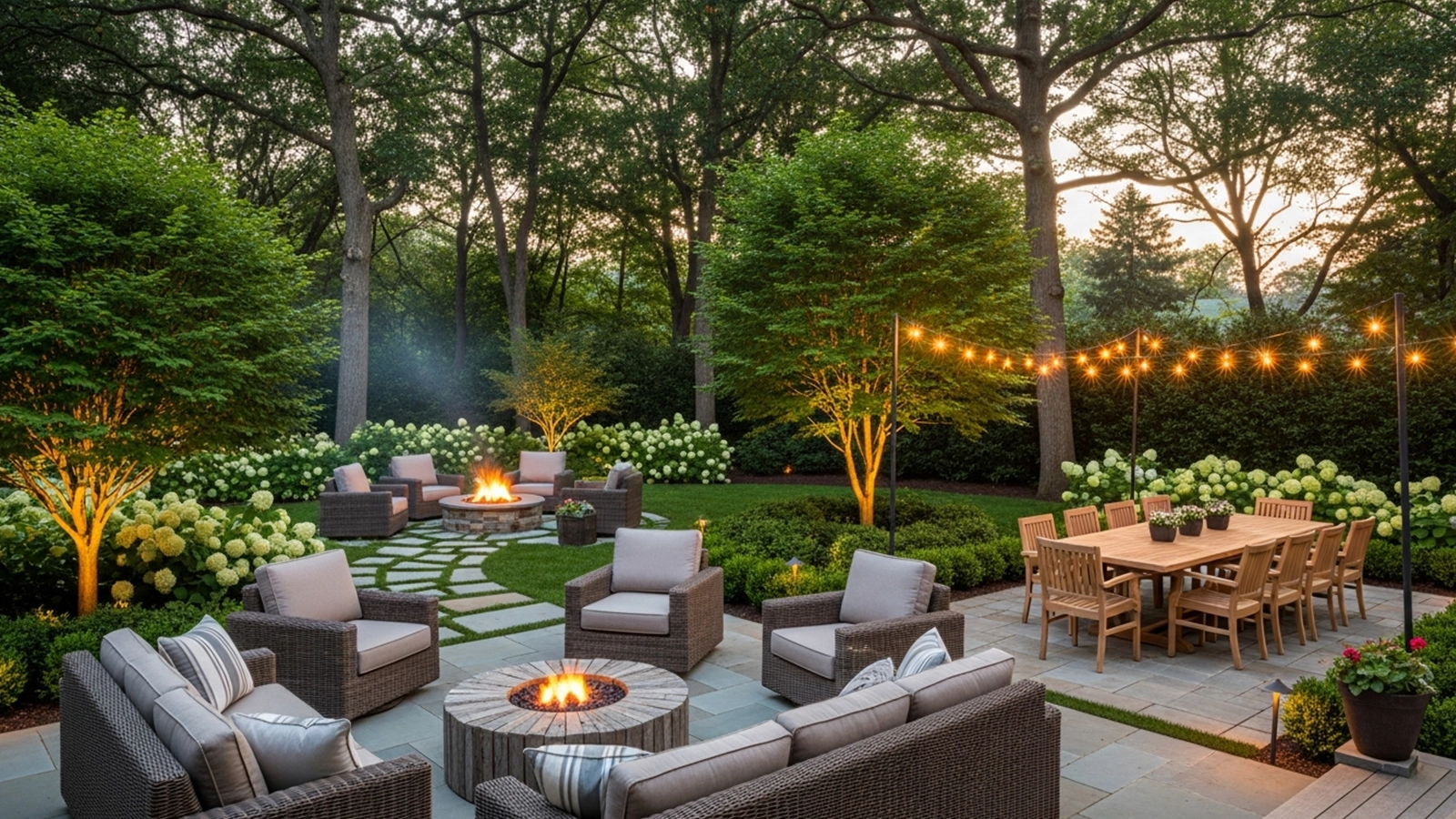
Functional harmony between front and back outdoor spaces
As homeowners grow more attuned to how their backyard supports daily life, many begin to see their property as a complete outdoor system rather than isolated areas. This long-term perspective often leads people to reconsider how the outdoor experience begins, recognizing that the way guests arrive and move through the front of the property sets an emotional tone that complements the calm and usability of the backyard.
When front and back spaces align in intent, the entire property feels more coherent and thoughtful.
Measuring success without metrics
A functional backyard doesn’t need validation. Its success is quiet.
You’ll know it works when:
-
Guests instinctively know where to sit
-
You spend more time outside without planning to
-
The space feels supportive rather than demanding
These are the real indicators of effective outdoor living.
Letting the backyard age with you
The most successful layouts are those that age gracefully. They allow for:
-
Changing family dynamics
-
Evolving interests
-
Subtle adjustments without disruption
By prioritizing function first and refinement second, the backyard remains relevant rather than fixed in time.
A place that holds everyday life
In the end, functional outdoor living isn’t about features or trends. It’s about creating a place that holds real moments.
A backyard that works well doesn’t announce itself. It simply welcomes you back, again and again, offering space to gather, rest, and breathe in ways that feel natural and unforced.
When layout, environment, and habit align, outdoor living becomes less about design and more about life unfolding comfortably in open air.
External references for deeper understanding:
https://edis.ifas.ufl.edu/publication/MG086